Turmeric is a plant that has been used for centuries in cooking, traditional medicine, and skincare products. Known for its bright yellow color and distinctive flavor, it is recognized not only as a culinary spice but also as a powerful natural health supplement due to its rich content of antioxidants and anti-inflammatory compounds.
It is a key ingredient in many traditional dishes, particularly in India and Africa, where it is commonly used in curries and spice blends. In addition to its culinary uses, turmeric has long been valued in traditional Chinese medicine for its potential health benefits.
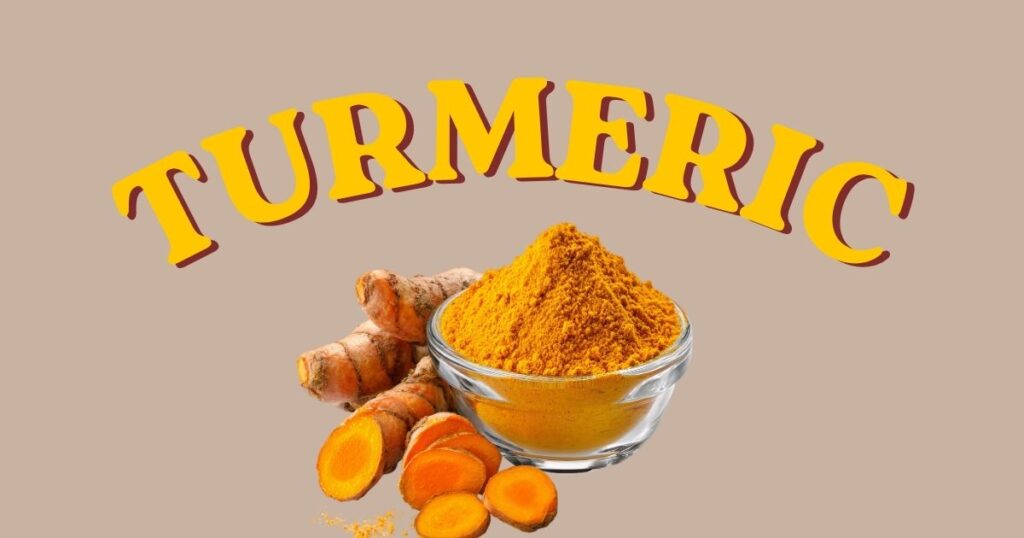
What Is Turmeric?
Turmeric is a flowering plant whose roots is primarily used as spice, food ingredient, and herbal remedy. It has a warm, slightly bitter taste and is often used to add color and flavor to foods.
The most active compound in turmeric is curcumin, which is responsible for many of its medicinal properties. It is available in forms like, powders, tea, capsules, and tablet. Turmeric contains several nutrients like.
- Vitamin C
- Iron
- Vitamin B6
- Potassium
- Fiber
- Manganese
- Magnesium
And it also contains active plant compounds like
1 Curcumin
Curcumin is the most active compound in turmeric. It is known for:
- Antioxidant properties
- Anti-inflammatory effects
Curcumin is not absorbed efficiently by the body on its own. Black pepper contains Piperine, a compound that significantly improves curcumin absorption. For this reason, many turmeric supplements and recipes combine turmeric with black pepper.
2 Turmerones
Turmerones are found in turmeric essential oil which may support brain health. this compound is responsible for earthy smell in turmeric.
Forms of Turmeric
Turmeric is available in various forms, making it easy to be included in our diets.
Fresh Turmeric Roots
Fresh turmeric root can be grated, sliced, or added into foods like Curries, Soups, Rice dishes, Smoothies, and herbal remedies.
Turmeric Powder
This is the most widely used form of turmeric. It is made by drying and grinding the root into a fine powder, which is used in curries, soups, teas, and smoothies.
Turmeric Tea
Turmeric tea is made by steeping turmeric in hot water. It is often combined with Ginger, Lemon, Honey.
Turmeric Extract
Turmeric extracts are concentrated forms containing higher amounts of curcumin. They are commonly found in dietary supplements.
Turmeric Capsule/Tablet
Capsules contain powdered turmeric or concentrated curcumin extract. They offer a convenient way to consume turmeric without altering the taste of food.
Benefits of Turmeric
Just like Ginger, Turmeric offers numerous health benefits like.
1. May Help Reduce Oxidative Stress
Turmeric contains compounds that act as antioxidants, helping to protect the body against damage caused by free radicals. Free radicals are unstable molecules that can harm cells and accelerate aging. By neutralizing these harmful molecules, turmeric may help reduce oxidative stress and support overall cellular health.
2. May Supports Joint and Bone Health
People experiencing joint stiffness and discomfort may benefit from turmeric’s anti-inflammatory properties. Studies suggest that curcumin may help reduce symptoms associated with joint conditions such as osteoarthritis. Regular consumption of turmeric may contribute to improved mobility, flexibility, and overall joint function.
3. May Help Reduce Inflammation
One of the most well-known benefits of turmeric is its ability to fight inflammation. While inflammation is a natural response that helps the body heal from injuries and infections, chronic inflammation can contribute to conditions such as arthritis, heart disease, and diabetes. Curcumin helps regulate inflammatory processes in the body, potentially reducing discomfort and supporting long-term health.
4. May Promotes Heart Health
Maintaining a healthy heart is essential for overall well-being. Turmeric may support cardiovascular health by improving blood vessel function and helping to reduce inflammation. Healthy blood vessels allow blood to flow more efficiently throughout the body, which can contribute to better circulation and heart function.
5. May Supports Brain Health
Research indicates that curcumin may positively influence brain health. It may help increase levels of brain-derived neurotrophic factor (BDNF), a protein that supports the growth and maintenance of brain cells. Healthy BDNF levels are linked to improved memory, learning ability, and cognitive performance, making turmeric a valuable addition to a brain-friendly diet.
6. Strengthens the Immune System
The combination of antioxidant and anti-inflammatory compounds in turmeric may help support the immune system. A strong immune system is essential for protecting the body from harmful microorganisms and environmental stressors. Regular consumption of turmeric may contribute to better overall immune function.
7. May Support Digestion
Turmeric has long been used as a natural remedy for digestive issues. It may help stimulate the production of bile, a digestive fluid that assists in breaking down fats. Additionally, turmeric’s soothing properties may support a healthy digestive tract and help maintain overall gut health.
8. Helps Maintain Healthy Blood Sugar Levels
Some research suggests that curcumin may support healthy blood sugar management by improving insulin sensitivity and reducing inflammation. While turmeric should not replace medical treatment, it may be a useful dietary addition for individuals seeking to support healthy glucose levels as part of a balanced lifestyle.
9. Support Healthy Skin
Turmeric is a popular ingredient in many skincare products because of its ability to support healthy skin. The antioxidant properties in turmeric help protect the skin from environmental damage, while its anti-inflammatory effects may help reduce redness and irritation. Regular use of turmeric, either in the diet or in skincare formulations, may contribute to a healthier-looking complexion.
10. Supports Healthy Aging
Aging is influenced by many factors, including inflammation and oxidative stress. Because turmeric helps combat both of these processes, it may play a role in promoting healthy aging. By supporting cellular health and reducing damage caused by free radicals, turmeric may help individuals maintain vitality and overall wellness as they grow older.
Side Effects of Turmeric
Turmeric is generally safe but excessive intake may cause: Nausea, Stomach upset, Acid reflux, and Diarrhea.
NOTE:
Certain individuals should seek medical advice before taking turmeric supplements. These include: Breastfeeding mothers, Pregnant women, individual taking blood-thinning medications, people with gallbladder medications, and people with certain health conditions. Know that excessive intake may cause: Nausea, Stomach upset, Acid reflux, and Diarrhea.
Consulting a healthcare professional is recommended when using supplements.
People That May Benefit from Turmeric?
Turmeric may be beneficial for:
- Individuals seeking antioxidant-rich foods
- People interested in supporting joint health
- Those wanting to support digestion
- People looking to increase plant-based nutrients in their diet
Conclusion
Turmeric is one of the world’s most valuable medicinal and culinary plants. Rich in antioxidants and beneficial compounds such as curcumin, it has been used for centuries to support health, wellness, and nutrition.
Although turmeric offers many potential health benefits, it should be viewed as part of a balanced diet and healthy lifestyle rather than a replacement for medical treatment. When used appropriately, turmeric can be a valuable addition to a nutritious diet and wellness routine.
Disclaimer
This information is for educational purposes only and should not replace professional medical advice. Always consult a qualified healthcare professional before starting any supplement or treatment, especially during pregnancy, illness, or if you have any medical condition.