Iron is an essential mineral that is required for the production of hemoglobin, (protein found in red blood cells that carries oxygen from the lungs to the rest of the body). Without enough iron, the body cannot produce sufficient healthy red blood cells.
Iron is one of the most important nutrients for growth, energy production, brain health, and healthy immune system. Although iron supplements like Ferrous sulphate are commonly used to treat deficiency, obtaining it from food remains the safest and most natural way to maintain healthy iron levels.
In todays article, we’ll be looking at the importance of iron, the different types of dietary iron, foods sources, and how to improve iron absorption naturally.
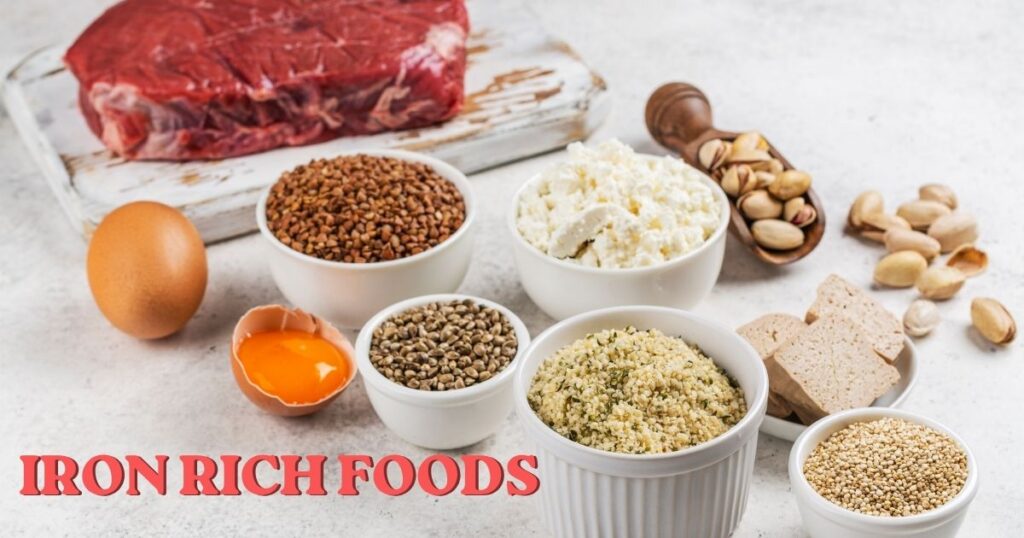
What Is Iron?
Iron is a mineral required by the body for several important functions.
According to NIH , It’s a mineral that’s naturally present in many food. Its primary role is helping the body produce hemoglobin, which carries oxygen throughout the body. It is also found in myoglobin, a protein that supplies oxygen to muscles. It also supports:
- Energy production
- Brain function
- Healthy immune system
- Growth and development
- Hormone production
Globally, Many people around the world suffer from iron deficiency due to poor diet, increased nutritional needs, blood loss, or medical conditions that affect iron absorption.
Importance of Iron
Iron performs several important functions.
Oxygen Transport
Iron is necessary for hemoglobin production, which carries oxygen from the lungs to body tissues.
Muscle Health
Iron helps deliver oxygen to muscles, supporting physical performance and endurance.
Energy Production
Iron helps cells generate energy needed for daily activities.
Brain Development and Function
Iron supports concentration, learning, memory, and cognitive performance.
Immune System Support
Iron contributes to healthy immune function and helps the body fight infections.
Types of Dietary Iron
Iron found in foods exists in two forms:
1. Heme Iron
Heme iron is absorbed more easily by the body and is found in animal-based foodssuch as:
- Red meat
- Poultry
- Liver
- Fish
- Seafood
2. Non-Heme Iron
Non-heme iron is found in plant-based foods such as:
- Lentils
- Moringa
- Beans
- Spinach
- Nuts
- Seeds
- Fortified cereals
20 Foods Rich in Iron
A wide variety of foods contain iron and can help prevent deficiency when included in our diets.
1. Liver
Liver is one of the best source of iron, Its key benefits include:
- Rich in iron
- Contains vitamin B12 and folate
- Rich in vitamin A
Examples:
- Beef liver
- Chicken liver
- Lamb liver
2. Red Meat
Red meat provides substantial amounts of highly absorbable iron. Benefits includes:
- It’s a Rich source of iron
- Contains protein and vitamin B12
Examples:
- Lamb
- Beef
- Goat meat
3. Poultry
Chicken and turkey contain moderate amounts of iron.
Benefits:
- Lean protein source
- Provides iron
4. Fish
Many fish varieties contains iron. Examples:
- Sardines
- Tuna
- Mackerel
- Salmon
Benefits:
- Iron-rich
- High in omega-3 fatty acids
5. Shellfish
Shellfish are among the best dietary sources of iron. Examples:
- Oysters
- Clams
- Mussels
Benefits:
- High iron content
- Rich in zinc and vitamin B12
6. Dried Apricots
Benefits:
- Concentrated source of iron
- Rich in fiber
7. Raisins
Benefits:
- Provide iron
- Convenient snack
8. Spinach
Spinach is one of the most popular plant-based iron sources.
Benefits:
- Rich in iron
- Contains folate
- Provides antioxidants
9. Lentils
Lentils are nutritious legumes packed with iron.
Benefits:
- High iron content
- Excellent source of protein
- Rich in fiber
10. Beans
Beans are affordable and nutritious sources of iron. Examples:
- Kidney beans
- Black beans
- Pinto beans
- Navy beans
Benefits:
- Rich in iron and fiber
- Good source of plant protein
11. Mulberries
Benefits:
- Rich in vitamin C and iron
12. Chickpeas
Chickpeas provide iron and several other nutrients.
Benefits:
- Supports heart health
- Rich in protein and fiber
13. Soybeans
Soybeans contain significant amounts of iron.
Soy Products:
- Tofu
- Tempeh
- Soy milk
Benefits:
- Good iron source
- Provides high-quality protein
14. Pumpkin Seeds
Pumpkin seeds are among the richest seeds in iron.
Benefits:
- Iron-rich snack
- Contains magnesium and zinc
15. Sesame Seeds
Sesame seeds provide iron and healthy fats.
Benefits:
- Excellent source of iron
- Supports overall nutrition
- Easy to add to meals
16. Quinoa
Quinoa is a nutritious grain-like seed containing iron.
Benefits:
- Rich in protein
- Naturally gluten-free
17. Dark Leafy Greens
Several leafy vegetables provide iron. Examples:
- Kale
- Swiss chard
- Collard greens
Benefits:
- Rich in vitamins and minerals
18. Dates
Benefits:
- Contain iron
- Provide natural energy
19. Prunes
Benefits:
- Support digestion
- Supply iron
20. Mulberries
Benefits:
- Rich in vitamin C and iron
21. Moringa
Benefits:
- Excellent source of iron
- Support digestion
20. Sunflower seed
Benefits:
- Excellent source of iron
- Supports overall nutrition
- Easy to add to meals
In many developed countries, foods like bread, pasta, infant formulas, and cereals are been fortified with iron to help prevent deficiency.
Note:
Vitamin C rich foods significantly increases iron absorption. Examples include:
- Guavas
- Oranges
- Lemons
- Tomatoes
- Strawberries
- Bell peppers
- Pineapples
While foods and beverages like tea, coffee, calcium supplements and excessive diary products, may interfere with iron absorption.
Iron Deficiency Symptoms
Iron deficiency can cause several symptoms like:
- Weakness
- Fatigue
- Headaches
- Pale skin
- Dizziness
- Shortness of breath
- Rapid heartbeat
- Poor concentration
- Brittle nails
Severe deficiency leads to iron deficiency anemia.
People at Risk of Iron Deficiency?
Certain groups have higher iron requirements.These include:
- Infants
- Pregnant women
- Adolescents
- Vegetarians and vegans
- Women with heavy menstrual periods
- Frequent blood donors
- Individuals with digestive disorders
Benefits of Eating Iron-Rich Foods
Regular consumption of iron-rich foods may:
- Prevent iron deficiency anemia.
- Improve energy levels.
- Support healthy brain function.
- Strengthen immunity.
- Improve oxygen transport.
- Enhance physical performance.
- Support growth and development.
- Promote healthy pregnancy.
Conclusion
Iron is an essential mineral that supports the transportation of oxygen in the body, energy production, brain function, muscle performance, and healthy immune system. Since the body cannot produce iron naturally, it must be obtained from food or supplements.
A wide variety of foods provide iron, including liver, red meat, fish, poultry, beans, lentils, spinach, nuts, seeds, and fortified cereals. Animal-based foods provide heme iron, which is more easily absorbed, while plant-based foods provide non-heme iron that can be better absorbed when consumed with vitamin C-rich foods.
Maintaining a balanced diet that includes iron-rich foods is one of the best ways to prevent iron deficiency and support overall health.