Vitamin A is an essential nutrient that supports our general well being. One of the best ways to maintain healthy Vitamin A levels is by eating a variety of foods rich in Vitamin A. In our General vitamin A article, we talked about the forms of Vitamin A, which are:
- Preformed Vitamin A (Retinol): Found in animal-based foods such as liver, eggs, dairy products, and fish.
- Provitamin A Carotenoids: Found in colorful fruits and vegetables. The body converts these compounds—especially beta-carotene—into Vitamin A as needed.
Unlike using supplements, Eating whole foods provide Vitamin A together with fiber, antioxidants, vitamins, and minerals, which are equally beneficial to us in terms of maintaining good health.
Todays article, highlights some of the best food sources of Vitamin A and explains how they support our health.
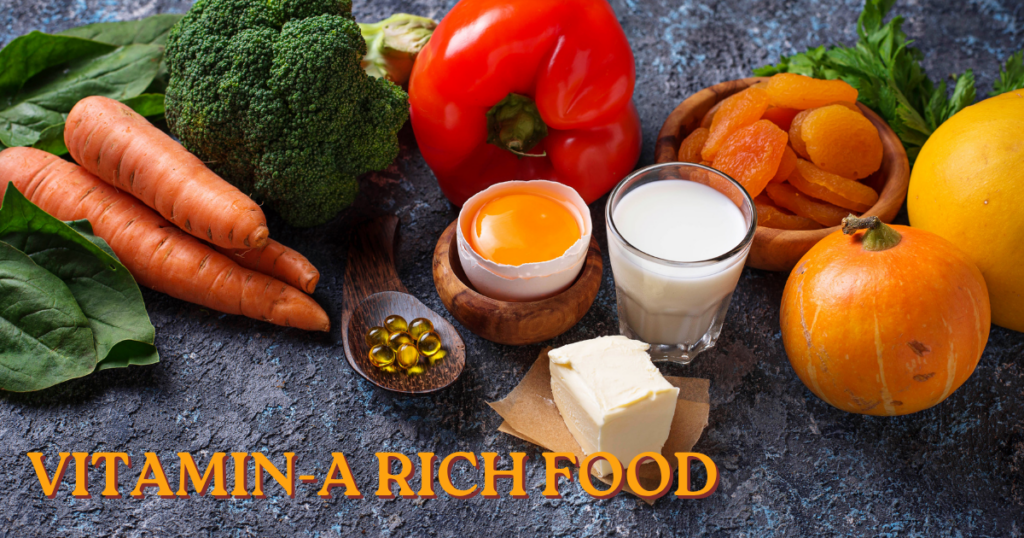
Why Get Vitamin A from Food?
Although supplements are useful in certain situations, food should always be the primary source of Vitamin A for most healthy people.
Vitamin A-rich foods provide additional nutrients such as:
- Vitamin C
- Vitamin E
- Vitamin K
- Potassium
- Fiber
- Healthy fats
- Antioxidants
These nutrients work together to support healthy vision, immunity, heart health, and general health
25 Foods Rich in Vitamin A
According to THE NUTRITION SOURCE, Many breakfast cereals, juices, dairy products, and other foods are fortified with retinol (preformed vitamin A). Below are 25 foods rich in vitamin A.
1. Pumpkin
Pumpkin is rich in beta-carotene and also provides:
- Potassium
- Fiber
- Vitamin E
2. Beef Liver
Beef liver is the richest natural source of Vitamin A. A single serving provides several times the recommended daily intake. It also contains:
- Iron
- Vitamin B12
- Copper
- Folate
- High-quality protein
Because liver contains very high amounts of Vitamin A, it should be eaten in moderation, particularly by pregnant women.
3. Cod Liver Oil
Cod liver oil is a traditional source of Vitamin A. It also supplies:
- Vitamin D
- Omega-3 fatty acids
- EPA
- DHA
Because it is highly concentrated, always follow the recommended dosage.
3. Papaya
Papaya is another tropical fruit that contributes beta-carotene while also supplying:
- Folate
- Vitamin C
- Fiber
- Potassium
4. Eggs
Egg yolks naturally contain Vitamin A together with:
- Choline
- Vitamin D
- Selenium
- Protein
Eggs are an affordable and versatile way to increase Vitamin A intake.
5. Cheese
Cheese contributes useful amounts of Vitamin A while also providing:
- Calcium
- Protein
- Phosphorus
Choose moderate portions as part of a balanced diet.
6. Butter
Butter contains small amounts of Vitamin A because it is made from milk fat. Although it contributes Vitamin A, it should be consumed in moderation due to its saturated fat content.
7. Carrots
Carrots are one of the best-known sources of beta-carotene. They can be enjoyed:
- Raw
- Cooked
- Roasted
- Juiced
- Added to soups and salads
The best way to get nutrient from carrot is by lightly cooking or steaming them. Carrots also provide fiber and potassium.
8. Sweet Potatoes
Sweet potatoes are packed with beta-carotene. They also contain:
- Fiber
- Potassium
- Vitamin C
- Manganese
Their naturally sweet flavor makes them an excellent addition to healthy meals.
9. Milk
Milk provides moderate amounts of Vitamin A, and many commercially available milk products are fortified to contain additional Vitamin A. Milk also supplies:
- Calcium
- Protein
- Vitamin B12
- Riboflavin
10. Spinach
Spinach is a nutrient-dense leafy green containing:
- Beta-carotene
- Iron
- Folate
- Vitamin K
- Magnesium
Light cooking improves the absorption of some nutrients.
11. Kale
Kale is among the healthiest leafy vegetables. It provides:
- Beta-carotene
- Vitamin C
- Vitamin K
- Calcium
- Fiber
Kale can be added to smoothies, soups, salads, and stir-fries.
12. Mangoes
Mangoes provide beta-carotene together with:
- Vitamin C
- Fiber
- Potassium
- Natural antioxidants
They make a nutritious snack or dessert.
13. Apricots
Fresh and dried apricots are excellent sources of beta-carotene. They also provide:
- Fiber
- Potassium
- Antioxidants
Dried apricots are a convenient snack but should be eaten in moderation because they are naturally higher in sugar than fresh fruit.
14. Red Bell Peppers
Although better known for their high Vitamin C content, red bell peppers also provide beta-carotene. They also contain:
- Vitamin C
- Vitamin E
- Fiber
- Antioxidants
Enjoy them raw, roasted, or added to salads and stir-fries.
15. Butternut Squash
Butternut squash is naturally rich in beta-carotene. It also supplies:
- Potassium
- Fiber
- Vitamin C
- Magnesium
It makes an excellent addition to soups, casseroles, and roasted vegetable dishes.
16. Cantaloupe
Cantaloupe is a refreshing fruit that provides beta-carotene along with:
- Vitamin C
- Potassium
- Water for hydration
It is an ideal snack during warm weather.
17. Eggs
Egg yolks naturally contain Vitamin A together with:
- Choline
- Vitamin D
- Selenium
- Protein
18. Broccoli
Broccoli contains moderate amounts of beta-carotene in addition to:
- Vitamin C
- Vitamin K
- Folate
- Fiber
Steaming broccoli helps preserve many of its nutrients.
19. Collard Greens
Collard greens are excellent leafy vegetables that provide:
- Beta-carotene
- Vitamin K
- Calcium
- Fiber
They can be steamed, sautéed, or added to soups.
20. Swiss Chard
Swiss chard is another nutrient-rich leafy vegetable. It provides:
- Beta-carotene
- Magnesium
- Potassium
- Vitamin K
Its colorful stems make it both nutritious and visually appealing.
21. Palm Oil
Palm oil is naturally rich in carotenoids, especially beta-carotene.
22. Dried Peaches
Dried peaches provide concentrated amounts of beta-carotene together with dietary fiber. Because drying removes water, the nutrients become more concentrated, but so do the natural sugars.
23. Romaine Lettuce
Romaine lettuce supplies modest amounts of beta-carotene and works well in:
- Salads
- Sandwiches
- Wraps
It also contributes folate and dietary fiber.
24. Green Peas
Green peas provide smaller amounts of beta-carotene while also supplying:
- Plant protein
- Fiber
- Folate
- Vitamin K
25. Tomatoes
Tomatoes contain modest amounts of beta-carotene together with:
- Vitamin C
- Lycopene
- Potassium
Conclusion.
Vitamin A is essential for healthy vision, immune function, skin integrity, growth, reproduction, and normal cell development. The easiest and safest way to obtain this important nutrient is through a balanced diet that includes both animal sources of preformed Vitamin A and colorful fruits and vegetables rich in beta-carotene.
Although Vitamin A is generally stable during cooking, but poor storage and preparation can reduce nutrient levels over time. To preserve Vitamin A: Store fruits and vegetables properly, Avoid prolonged exposure to sunlight after harvesting, Steam or roast vegetables instead of overboiling them, Eat a variety of fresh produce every week, Include healthy fats with meals to improve absorption.
Rather than depending on one or two foods, aim for variety. Including leafy green vegetables, orange and yellow vegetables, tropical fruits, eggs, dairy products, and fish in your meals provides not only Vitamin A but also fiber, antioxidants, healthy fats, and numerous vitamins and minerals that support overall health.
By making Vitamin A-rich foods a regular part of your eating pattern, you can help maintain healthy eyesight, strengthen your immune system, support healthy skin, and promote long-term wellness.