Vitamin B Complex is one of the most important groups of nutrients for maintaining overall health. Unlike Vitamins A, D, E, and K, which are fat-soluble and stored in the body, the B vitamins are water-soluble and generally need to be consumed regularly through food or supplements.
Together, these vitamins help the body convert food into energy, support brain and nerve function, contribute to the production of red blood cells, maintain healthy skin, and support numerous metabolic processes. Because each B vitamin performs unique functions, deficiencies can affect multiple systems throughout the body.
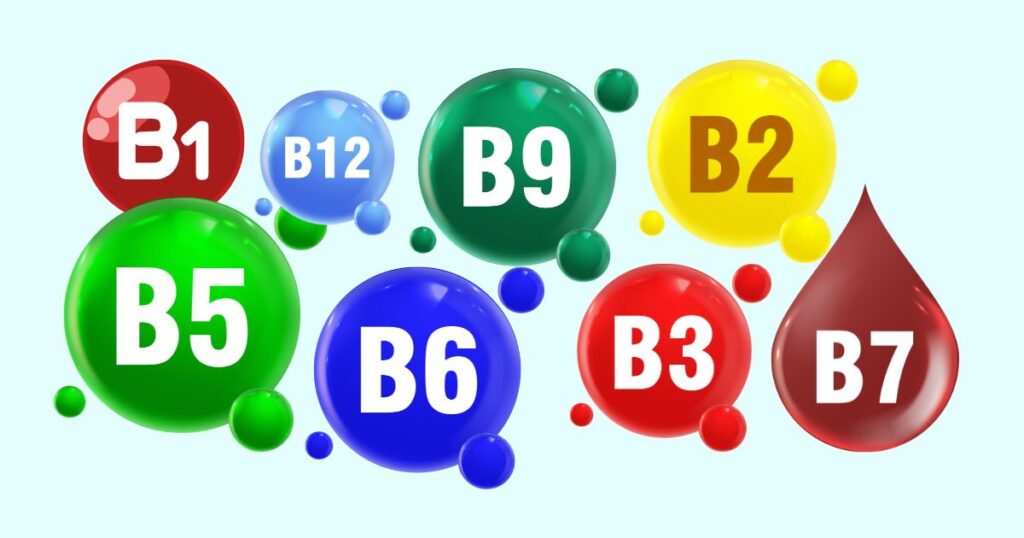
Although people often refer to “Vitamin B” as a single nutrient, Vitamin B Complex actually consists of eight distinct vitamins, each with its own role in maintaining health.
This article explains what Vitamin B Complex is, how it works, the benefits of each B vitamin, food sources, deficiency symptoms, supplements, and practical ways to maintain healthy levels throughout life.
What does Vitamin B Complex Contain?
Lets explore the functions of each of the eight essential vitamins in the B-Complex, lets take them one after the other to see how each vitamin support/help us.
Vitamin B2 (Riboflavin)
Vitamin B3 (Niacin)
Vitamin B5 (Pantothenic Acid)
Vitamin B6 (Pyridoxine)
Vitamin B9 (Folic Acid)
Vitamin B12 (Cobalamin)
1. Vitamin B1 (Thiamine)
These vitamin helps our body produce energy by breaking down carbohydrates and also supports the nervous system. Now, it must interest you to know that low level of Vitamin B1 in the body leads to some health issues like beri-beri, brain fog, memory loss and heart failure.
Food Sources
- Green beans
- Pork
- Mussels
- Brown rice
- Tofu
- Flex seeds
- Asparagus
- Fish
- Liver
- Fortified cereals & bread
Functions of Vitamin B1
- Support healthy nerves
- Energy production
- Brain health
- Support healthy heart
2. Vitamin B2 (Riboflavin)
There is more to this vitamin popularly known as “Maja ata” in my case (Yoruba). These vitamin helps the body produce energy and also protects the cell from damage and we also use it to treat mouth sore, a condition caused by low Vitamin B2 in the body.
Food Sources
- Liver
- Eggs
- Milk
- Meat
- Green vegetables
- Yogurt
Functions of Vitamin B2
- Supports energy production
- Promotes healthy skin
- Promotes healthy cell growth
- Supports cell repair
3. Vitamin B3 (Niacin)
This vitamin promotes healthy skin, healthy nervous system, good digestion.
Food Sources
- Peanuts
- Fish
- Mushrooms
- Chicken poultry
- Whole grains
Functions of Vitamin B3
- Supports energy production
- Promotes healthy brain function
- Works as an antioxidant
- Supports healthy skin
- Maintains a healthy cholesterol level
4. Vitamin B5 (Pantothenic Acid)
Vitamin B5 supports hormone production and energy production.
Excellent Food Sources of Vitamin B5
- Avocado
- Egg
- Chicken
- Whole grains
- Potatoes
- Mushrooms
- Zucchini
- Cucumber
- Liver
- Broccoli
Functions of Vitamin B5
- Reduce tiredness
- Hormone production
- Supports wound healing
- Support metabolism
5. Vitamin B6 (Pyridoxine)
These vitamin can be gotten from fish, potatoes, banana, spinach, avocado, liver, chicken. It support healthy nervous system, energy production and brain development.
Functions of Vitamin B6
- Brain development
- Supports healthy immune system
- Supports healthy nervous system
6. Vitamin B7 (Biotin)
Biotin is one of the supplements I love talking about, with its amazing benefits of supporting healthy hair, skin and nails, energy production, and maintaining healthy nervous system.
Excellent Food Sources Include
- Almonds
- Avocado
- Sardine
- Mushrooms
- Banana
- Beans
- Spinach
- Lentils
Functions of Vitamin B7
- Supports healthy hair
- Supports healthy skin
- Supports the growth of beautiful nails
- Supports energy production
7. Vitamin B9 (Folic Acid)
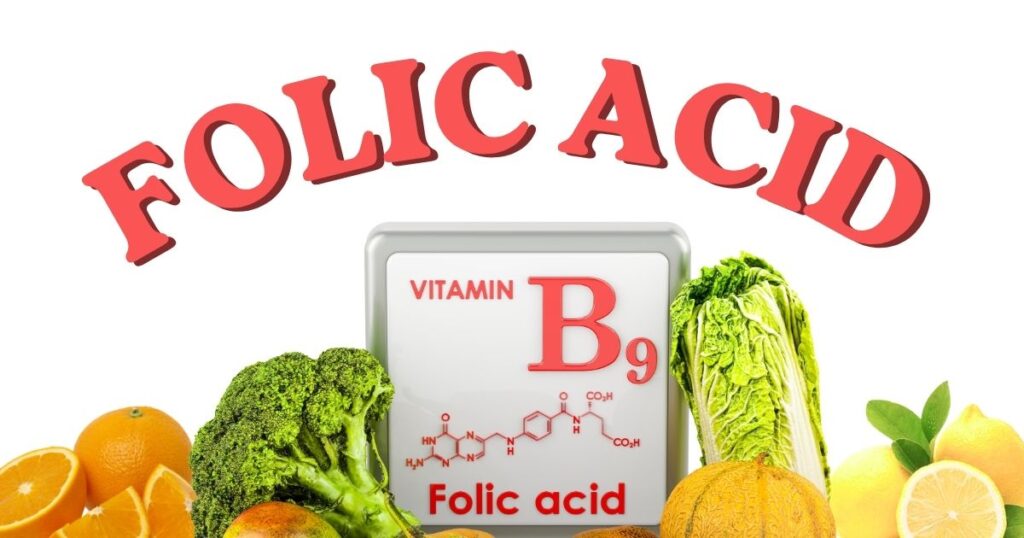
These is essential in red blood cell production and healthy fetal development during pregnancy. Folic Acid comes/has numerous health benefits like supporting cell growth and prevents neural tube defect during pregnancy.
Check out our post on folic acid.
8. Vitamin B12 (Cobalamin)
These vitamin is essential for the production of red blood cell, nerve function and brain health.
Food Sources
- Fish
- Meat
- Eggs
- Bell pepper
- Oranges
- Mushrooms
- Liver
- Shrimps
Functions of Vitamin B12
- Prevents anemia
- Work with Vitamin B7 to produce healthy red blood cells
- Supports energy production
- Supports healthy nerve function
Why Is Vitamin B Complex Important?
The B vitamins work together in several important ways. They help:
- Convert food into usable energy.
- Support healthy nerves.
- Maintain brain function.
- Produce red blood cells.
- Support healthy skin and hair.
- Promote healthy pregnancy.
- Maintain normal cellular function.
Because these vitamins are involved in numerous biological processes, inadequate intake can affect overall health and well-being.
Signs You May Be Low in B Vitamins
Symptoms vary depending on which vitamin is deficient but may include:
- Fatigue
- Weakness
- Tingling in the hands and feet
- Poor concentration
- Pale skin
- Mouth sores
- Hair thinning
- Mood changes
Because these symptoms can have many causes, medical evaluation is important.
Benefits of Vitamin B Complex
- Supports Energy Production
- Supports healthy immune system
- Supports Healthy Skin
- Supports Brain Health
- Supports healthy nervous system
- Supports Hair and Nail Health
- Supports Red Blood Cell Formation
- Supports Healthy Pregnancy
- Supports Healthy Aging
Vitamin B Complex Deficiency
B-Complex deficiency happens when the body lacks sufficient amount of B-Complex. B vitamins deficiency can involve one or several B vitamins.
Because each vitamin performs different functions, symptoms vary depending on which nutrient is lacking.
Common Symptoms of B Vitamin Deficiency
- Fatigue
- Weakness
- Brain fog
- Tingling or numbness
- Mood changes
- Pale skin
- Mouth ulcers
- Hair thinning
- Poor appetite
- Difficulty concentrating
Deficiency by Specific Vitamin
| Vitamin | Possible Deficiency Symptoms |
|---|---|
| B1 | Fatigue, nerve problems |
| B2 | Cracked lips, sore throat |
| B3 | Skin changes, digestive symptoms |
| B5 | Fatigue, numbness (rare) |
| B6 | Mood changes, anemia |
| B7 | Hair thinning, brittle nails |
| B9 | Megaloblastic anemia |
| B12 | Numbness, fatigue, memory problems |
Deficiencies should be diagnosed and treated by a healthcare professional.
Causes of B Complex Deficiency Might Also Include
- Pregnancy
- Alcohol
- Poor diet
- Aging
- Digestive disorders
Vitamin B Complex Supplements
Many Vitamin B Complex supplements typically contains all eight B vitamins in varying amounts. They are available as:
- Tablets
- Capsules
- Gummies
- Liquid formulations
- Effervescent tablets
Many multivitamins also contain B vitamins.
Who May Benefit from Supplements?
Supplements may be appropriate for:
- People with confirmed deficiencies
- Older adults
- Vegans (particularly for Vitamin B12)
- Pregnant women (especially for folate)
- Individuals with poor dietary intake
- People with conditions affecting nutrient absorption
Supplements should complement—not replace—a healthy diet.
Conclusion
According to the National Library of Medicine, B vitamins are a group of 8 water-soluble vitamins. The body does not store them, so they need to be replaced daily. B vitamins are found in animal proteins, dairy products, leafy green vegetables, and beans. Overall, their function can generally be divided into catabolic metabolism, leading to energy production, and anabolic metabolism, resulting in bioactive molecules.
They are critical cofactors for axonal transport, synthesis of neurotransmitters, and many cellular metabolic pathways. B vitamins are cofactors for many essential enzymes involved in the biosynthesis of RNA and DNA. B vitamin deficiencies have been considered as etiological factors in the development of various neurologic disorders and a broad spectrum of pathological states. Reductions in food intake and absorption efficiency in some populations, including the geriatric population, may warrant attention to their dietary B vitamin levels. Most B vitamins are generally safe even at intake levels reached with fortified food or supplements.
Vitamin B-Complex deficiency can lead to several health challenges like anemia, fatigue, general weakness, and nerve problems. Eating a balanced diet and foods rich in B vitamins like vegetables, fruits, eggs, whole grains, meat, chicken, etc can provide great amount of Vitamin B-Complex naturally. You can also take Vitamin B-Complex supplements if you have deficiency or increased nutritional need.
Disclaimer
This information is for educational purposes only and should not replace professional medical advice. Always consult a qualified healthcare professional before starting any supplement or treatment, especially during pregnancy, illness, or at any given time.