Vitamin C is one of the most well-known nutrients in the world, valued for its powerful antioxidant properties and its essential role in maintaining overall health. This comprehensive guide explains Vitamin C: everything you need to know including how it works in the body, its health benefits, food sources, deficiency symptoms, supplements, recommended intake, and side effects.
Commonly known as ascorbic acid, Vitamin C is a water-soluble vitamin that supports numerous biological processes, including collagen production, immune function, wound healing, iron absorption, and protection against oxidative stress.
Our human body cannot produce Vitamin C naturally. This means it must be obtained regularly through food or dietary supplements. Since the body cannot store large amounts of vitamin C, eating Vitamin C-rich foods regularly is essential for maintaining healthy levels.
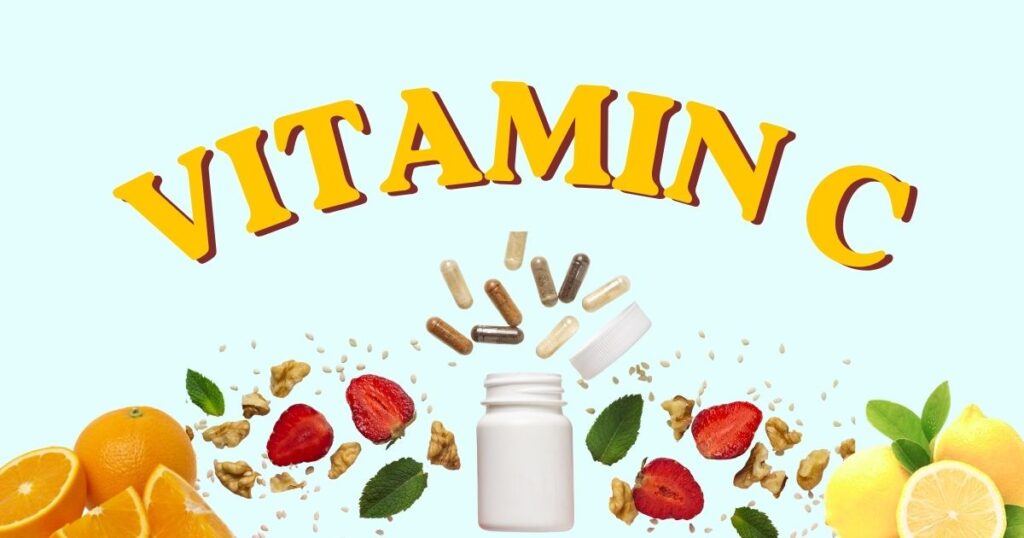
It is abundant in many fruits and vegetables, particularly guava, citrus fruits, berries, kiwi, bell peppers, tomatoes, and leafy green vegetables. Although Vitamin C is often associated with supporting the immune system, its functions extend far beyond helping the body fight infections. It is involved in the formation of connective tissues, the repair of damaged skin, the maintenance of blood vessels, and the production of important molecules that help cells function efficiently.
What Is Vitamin C ?
Vitamin C, or ascorbic acid, is an essential water-soluble vitamin that the body requires for normal growth, development, and tissue repair. It belongs to a group of nutrients known as antioxidants, which help protect cells from damage caused by unstable molecules called free radicals.
Because humans cannot produce or store significant amounts of Vitamin C, regular dietary intake is necessary. After absorption in the small intestine, Vitamin C is transported throughout the body, where it participates in hundreds of enzymatic reactions including
- Collagen production
- Wound healing
- Iron absorption
- Antioxidant protection
- Immune system support
- Healthy skin maintenance
- Blood vessel integrity
- Bone and cartilage health
Its widespread role makes it one of the body’s most important vitamins.
Vitamin C belongs to the group of water-soluble vitamins, meaning it dissolves in water and is not stored extensively in the body. Unlike fat-soluble vitamins, which can accumulate in body tissues, excess Vitamin C is usually removed through urine. This is why consistent daily intake is important.
Why Is Vitamin C Important?
Every tissue in the body depends on Vitamin C to some extent. It supports the formation and maintenance of connective tissue, which provides strength and structure to the skin, bones, tendons, ligaments, cartilage, gums, and blood vessels.
Without adequate Vitamin C, collagen production slows, causing tissues to weaken over time. This explains why severe Vitamin C deficiency can result in scurvy, (disease characterized by bleeding gums, poor wound healing, bruising, fatigue, and weakened connective tissues).
It also acts as one of the body’s primary antioxidants. Every day, normal metabolism and environmental exposures such as pollution, ultraviolet radiation, and cigarette smoke generate free radicals. These unstable molecules can damage cells if they accumulate. Vitamin C helps neutralize them before they can contribute to oxidative stress.
In addition, Vitamin C enhances the absorption of non-heme iron, the type of iron found in plant-based foods. This makes it especially valuable for vegetarians, vegans, and individuals at risk of iron deficiency.
According to National Institutes of Health, vitamin C acts as an antioxidant and plays a role in immune function, it has been promoted as a means to help prevent and/or treat numerous health conditions. Vitamin C might play a role: cancer (including prevention and treatment), CVD, age-related macular degeneration (AMD) and cataracts, and the common cold.
How It Works
Once consumed, Vitamin C is absorbed primarily in the small intestine and transported through the bloodstream to tissues that require it. Organs such as the brain, adrenal glands, eyes, and white blood cells contain particularly high concentrations because of their continuous need for this nutrient.
Inside cells, Vitamin C serves as a cofactor for several enzymes involved in collagen synthesis, hormone production, and amino acid metabolism. It also helps regenerate other antioxidants, such as Vitamin E, allowing them to continue protecting cells from oxidative damage.
Another important role is supporting the function of immune cells. White blood cells accumulate Vitamin C in higher concentrations than many other tissues, suggesting that this nutrient contributes to their normal activity.
Because excess Vitamin C is excreted in urine, the body depends on a regular dietary supply rather than long-term storage.
Types and Forms of Vitamin C
Vitamin C is available in several forms, both naturally in foods and in dietary supplements. While all forms ultimately provide Vitamin C activity, they differ slightly in formulation and intended use.
1. Ascorbic Acid
Ascorbic acid is the pure form of Vitamin C and is the most common type found in foods and supplements. It is:
- Well absorbed
- Affordable
- Effective for preventing and treating Vitamin C deficiency
2. Sodium Ascorbate
Sodium ascorbate is a buffered form of Vitamin C created by combining ascorbic acid with sodium. Compared with pure ascorbic acid, it is less acidic and may be better tolerated by people with sensitive stomachs.
3. Calcium Ascorbate
Calcium ascorbate is another buffered form that combines Vitamin C with calcium. It provides both nutrients while reducing acidity, making it a suitable option for individuals who experience stomach discomfort with standard Vitamin C.
4. Liposomal Vitamin C
Liposomal Vitamin C is enclosed within tiny fat-like particles called liposomes. This formulation is designed to improve stability and absorption.
5. Ester-C®
Ester-C® is a patented formulation containing calcium ascorbate and Vitamin C metabolites. It is gentle on the stomach and providing longer retention in the body. Although it is a popular option, current evidence indicates that standard Vitamin C supplements are also effective for meeting nutritional needs.
Read about the different types and forms of vitamin C supplements, side effects and what each type is used for.
Natural vs. Synthetic Vitamin C
One common question that comes from most people using vitamin C supplements is whether Vitamin C obtained from supplements is different from the Vitamin C found naturally in foods.
To be honest, Vitamin C molecule is the same regardless of its source. The body absorbs and uses natural and synthetic Vitamin C in essentially the same way. However, whole fruits and vegetables provide additional nutrients that supplements cannot fully replicate, including:
- Dietary fiber
- Flavonoids
- Carotenoids
- Potassium
- Folate
- Numerous plant compounds that work together to support health
For this reason, food should remain the primary source of Vitamin C whenever possible.
Vitamin C and Oxidative Stress
Every day, the body produces unstable molecules called free radicals as a natural result of metabolism. Exposure to air pollution, cigarette smoke, ultraviolet radiation, and certain environmental toxins can further increase free radical production.
When these molecules outnumber the body’s antioxidant defenses, oxidative stress may occur. Over time, oxidative stress can damage proteins, fats, and DNA within cells.
Vitamin C helps protect against this damage by donating electrons to free radicals, stabilizing them before they harm healthy cells. It also helps regenerate other antioxidants, particularly Vitamin E, allowing the body’s antioxidant network to function efficiently.
Food Sources of Vitamin C
- Gauva
- Oranges
- Kiwi
- Lemons
- Papaya
- Strawberries
- Limes
- Pineapple
- Spinach
- Kale
- Cabbage
- Swiss chard
- Grapefruits
- Bell Peppers
- Tangerines
- Mango
- Moringa
Does Cooking Destroy Vitamin C?
Yes. Vitamin C is sensitive to:
- Heat
- Air
- Light
- Water
Prolonged cooking, especially boiling, may reduce the Vitamin C content in foods because the vitamin dissolves into cooking water and breaks down at high temperatures. To preserve more Vitamin C:
- Steam vegetables instead of boiling them.
- Cook foods for the shortest time necessary.
- Eat fresh fruits regularly.
- Store produce properly to reduce nutrient loss.
- Use cooking water in soups or stews when possible.
Benefits of Vitamin C
Promotes Healthy Skin
One of the reasons people take vitamin C supplements is to improve their skin, as vitamin C is part of our beauty supplement. Click here to explore the amazing skin benefits of vitamin c
Immune Support.
As we all know, many people take vitamin C supplements to boost their immunity and since vitamin C is essential for a healthy body. here is how it works.
Vitamin C helps in the production of lymphocytes and phagocytes known as white blood cell that fight harmful things in the body.
Vitamin C helps these cells work efficiently by fighting bacteria, infections, virus and anything that serves as a threat to the body.
Prevents iron deficiency
It helps the body absorb plant base iron effectively. iron is a vital nutrient that is needed in making red blood cells.
For people with anemia cause by low iron absorption, eating food rich in vitamin c may improve your iron level.
Prevention/Treatment of Scurvy.
Another main reasons people take Vitamin C is to prevent Scurvy, a disease caused by a severe lack of vitamin c in the body.
This is particularly useful for people with scurvy, Since it is characterized by bleeding gums, joint pain, weakness, wound not healing, swellings, consuming more vitamin-C-rich foods or taking Vitamin C supplements can actually prevent it.
Vitamin C is used in the treatment of scurvy.
Vitamin C Deficiency
Vitamin C deficiency develops when the body does not receive enough Vitamin C for an extended period. Because body stores are limited, deficiency may develop within several months of severely inadequate intake.
The most severe form of Vitamin C deficiency is known as scurvy, a disease that was once common among sailors who spent months at sea without access to fresh fruits and vegetables.
Today, scurvy is rare in many countries but can still occur in people with extremely poor diets or conditions that interfere with nutrient absorption.
Causes of Vitamin C Deficiency
Several factors may increase the risk of deficiency.
Poor Dietary Intake
Diets lacking fruits and vegetables are the most common cause of inadequate Vitamin C intake.
Smoking
Smoking increases oxidative stress and accelerates the body’s use of Vitamin C.
Smokers therefore require more Vitamin C than non-smokers.
Alcohol Abuse
Excessive alcohol intake may contribute to poor nutritional status, including reduced Vitamin C intake.
Digestive Disorders
Certain medical conditions reduce nutrient absorption.
Examples include:
- Crohn’s disease
- Ulcerative colitis
- Celiac disease
Eating Disorders
Individuals with severely restricted diets may develop Vitamin C deficiency over time.
Older Adults
Some older adults consume fewer fruits and vegetables because of reduced appetite, dental problems, or limited access to nutritious foods.
Symptoms of Vitamin C Deficiency
Early deficiency often develops gradually, Its Common symptoms include:
- Fatigue
- Weakness
- Irritability
- Poor wound healing
- Dry skin
- Easy bruising
- Bleeding gums
- Frequent nosebleeds
- Joint pain
- Muscle aches
- Corkscrew-shaped body hairs
- Loose teeth in severe cases
These symptoms result primarily from impaired collagen production.
What Is Scurvy?
Scurvy is the disease caused by severe Vitamin C deficiency. Without enough Vitamin C, collagen production declines, weakening connective tissues throughout the body. Symptoms of scurvy include:
- Severe fatigue
- Swollen, bleeding gums
- Loose teeth
- Poor wound healing
- Bruising
- Joint pain
- Anemia
- Skin changes
If left untreated, scurvy can lead to serious complications. Fortunately, it is usually reversible with adequate Vitamin C intake and appropriate medical care.
Group of people with an increased risk of Vitamin C deficiency include:
- Smokers
- Older adults
- Individuals with very limited diets
- People with digestive disorders
- Individuals with alcohol use disorder
- People experiencing food insecurity
- Individuals with certain chronic illnesses
How Vitamin C Deficiency Is Diagnosed
Healthcare professionals diagnose Vitamin C deficiency using:
- Medical history
- Dietary assessment
- Physical examination
- Blood tests when appropriate
The diagnosis often considers both symptoms and nutritional history, especially in people with limited fruit and vegetable intake.
Treatment of Vitamin C Deficiency
Treatment focuses on restoring adequate Vitamin C levels. Management may include:
- Increasing consumption of Vitamin C-rich foods
- Taking oral Vitamin C supplements
- Treating underlying medical conditions affecting absorption
- Improving overall dietary quality
Most symptoms begin to improve within days to weeks after treatment starts, although complete recovery may take longer depending on the severity of the deficiency.
While most healthy people can meet their Vitamin C needs through a balanced diet rich in fruits and vegetables, supplements can be useful in certain situations. People with limited dietary intake, increased nutritional requirements, or medical conditions that affect nutrient absorption may benefit from additional Vitamin C under the guidance of a healthcare professional.
Vitamin C Supplements
Vitamin C supplements are designed to help individuals maintain adequate Vitamin C levels when dietary intake alone is insufficient. They are among the most commonly used dietary supplements worldwide because of their accessibility, affordability, and wide range of applications.
Vitamin C supplements are available in many formulations, from traditional tablets to liposomal preparations. Understanding the differences between these products, their benefits, recommended dosages, and possible side effects can help you choose the option that best suits your individual needs.
Vitamin C supplements are available as:
- Tablets
- Capsules
- Chewable tablets
- Gummies
- Powders
- Effervescent tablets
- Liquid formulations
- Liposomal preparations
For most people, the choice depends on personal preference, ease of use, and advice from a healthcare provider.
Types of Vitamin C Supplements
Although all Vitamin C supplements provide ascorbic acid activity, they differ in formulation and may be better suited to different individuals.
1. Ascorbic Acid
Ascorbic acid is the purest and most common form of Vitamin C.
It is:
- Highly effective
- Well absorbed
- Affordable
- Extensively studied
Most Vitamin C supplements on the market contain this form.
2. Buffered Vitamin C
Buffered Vitamin C combines ascorbic acid with minerals such as:
- Calcium
- Sodium
- Magnesium
- Potassium
Because buffered Vitamin C is less acidic, it may be easier on the stomach for people who experience digestive discomfort with regular ascorbic acid.
3. Calcium Ascorbate
Calcium ascorbate provides both Vitamin C and calcium.
It is commonly chosen by individuals who:
- Have sensitive stomachs
- Want a non-acidic Vitamin C supplement
- Need additional calcium intake
4. Sodium Ascorbate
Sodium ascorbate is another buffered form.
It provides Vitamin C while reducing acidity, although individuals following sodium-restricted diets should consider the sodium content before choosing this formulation.
5. Liposomal Vitamin C
Liposomal Vitamin C encloses Vitamin C inside tiny lipid (fat-like) particles called liposomes.
This technology is designed to improve absorption and protect Vitamin C as it passes through the digestive system.
Although some studies suggest improved bioavailability, more research is needed to determine whether liposomal Vitamin C provides significant advantages over conventional supplements for healthy individuals.
6. Vitamin C Gummies
Vitamin C gummies have become increasingly popular because they are easy to chew and often have a pleasant taste.
However, some products contain added sugars or sweeteners, so it is important to read nutrition labels before purchasing.
Can You Take Too Much Vitamin C?
Vitamin C has a good safety profile, but extremely high intakes may increase the risk of side effects.
The Tolerable Upper Intake Level (UL) for adults is:
2,000 mg (2 grams) per day
Regularly exceeding this amount is generally not recommended unless advised by a healthcare provider.
Side Effects of Vitamin C Supplements
Most people tolerate Vitamin C supplements well when taken within recommended amounts.
Possible side effects of high doses include:
- Stomach cramps
- Nausea
- Diarrhea
- Heartburn
- Bloating
Reducing the dose or taking the supplement with food often helps relieve these symptoms.
Can High Doses Increase Kidney Stone Risk?
Some studies suggest that very high doses of Vitamin C may increase urinary oxalate levels in susceptible individuals, which could contribute to kidney stone formation.
People with a history of kidney stones should discuss Vitamin C supplementation with their healthcare provider before taking high-dose products.
Drug Interactions
According to National Institutes of Health, Vitamin C supplements may interact with radiation therapy and medications, including chemotherapeutic agents and statins. Vitamin C supplements have the potential to interact with several types of medications. A few examples are provided below.
- Some chemotherapy medicines
- Aluminum-containing antacids
- Warfarin (in very high supplemental doses)
- Certain laboratory tests, where large doses may affect results
Individuals who are taking these medications on a regular basis should discuss their vitamin C intakes with their health care providers.
How to Prevent Vitamin C Deficiency
Preventing deficiency is usually simple with healthy eating habits. Practical strategies include:
- Eat a variety of fresh fruits every day.
- Include vegetables with every main meal.
- Choose raw or lightly cooked vegetables whenever possible.
- Avoid overcooking Vitamin C-rich foods.
- Increase Vitamin C intake if you smoke.
- Discuss supplementation with your healthcare provider if you have absorption disorders.
- Follow a balanced diet that includes a wide range of nutrient-rich foods.
Maintaining adequate Vitamin C intake supports healthy skin, connective tissues, immune function, iron absorption, and overall well-being.
Frequently Asked Questions
Is Vitamin C the same as ascorbic acid?
Yes. Ascorbic acid is the scientific name for Vitamin C.
What is the best source of Vitamin C?
Fresh fruits and vegetables are the best natural sources, particularly guava, oranges, kiwi, strawberries, bell peppers, broccoli, and papaya.
Can I take Vitamin C every day?
Yes. Because Vitamin C is water-soluble and not stored in large amounts, regular daily intake is recommended.
Does Vitamin C prevent the common cold?
Vitamin C supports normal immune function, but it does not prevent the common cold for most people. Some research suggests regular supplementation may slightly reduce the duration or severity of colds in certain individuals, but it is not a guaranteed preventive measure.
Is Vitamin C good for the skin?
Yes. Vitamin C supports collagen production, helps protect skin cells from oxidative stress, and contributes to normal wound healing, all of which are important for healthy skin.
Can Vitamin C improve iron absorption?
Yes. Vitamin C significantly enhances the absorption of non-heme iron from plant-based foods, making it particularly beneficial for vegetarians and vegans.
What happens if I don’t get enough Vitamin C?
Low Vitamin C intake may lead to fatigue, easy bruising, bleeding gums, poor wound healing, dry skin, and, in severe cases, scurvy.
Are Vitamin C supplements better than food?
Supplements can help when dietary intake is inadequate, but whole foods remain the preferred source because they provide additional nutrients and beneficial plant compounds.
Is liposomal Vitamin C better?
Liposomal Vitamin C may improve absorption in some situations, but current evidence does not show that it is necessary for most healthy people who meet their Vitamin C needs.
Can children take Vitamin C supplements?
Children can take Vitamin C supplements when appropriate, but the dosage should be based on age and individual needs. Parents should consult a healthcare professional before giving supplements to young children.
Key Takeaways
- Vitamin C is an essential water-soluble vitamin that must be obtained regularly from food or supplements.
- It supports collagen production, immune function, antioxidant protection, wound healing, and iron absorption.
- The richest food sources include guava, citrus fruits, kiwi, strawberries, bell peppers, broccoli, and papaya.
- Vitamin C deficiency can lead to fatigue, bleeding gums, poor wound healing, and scurvy.
- Supplements are helpful for people who cannot meet their needs through diet, but whole foods remain the preferred source.
By understanding the role of Vitamin C and making informed nutritional choices, you can support healthy skin, strong connective tissues, efficient iron absorption, a well-functioning immune system, and overall wellness throughout every stage of life.
Conclusion
Vitamin C is one of the body’s most important nutrients, supporting everything from collagen production and immune function to antioxidant protection and iron absorption. Because the body cannot produce or store significant amounts of this vitamin, regular intake through food or supplements is essential.
A diet rich in colorful fruits and vegetables is the most effective way to maintain healthy Vitamin C levels while also providing fiber, minerals, and other beneficial plant compounds. For people who cannot meet their needs through diet alone, supplements offer a convenient and effective alternative when used responsibly.
Although Vitamin C supplements are generally safe, more is not always better. Following recommended dosages and focusing on a balanced, nutrient-rich diet remain the best strategies for maintaining optimal health.
Disclaimer
This information is for educational purposes only and should not replace professional medical advice. Always consult a qualified healthcare professional before starting any supplement or treatment, especially during pregnancy, illness, or if you have any medical condition.