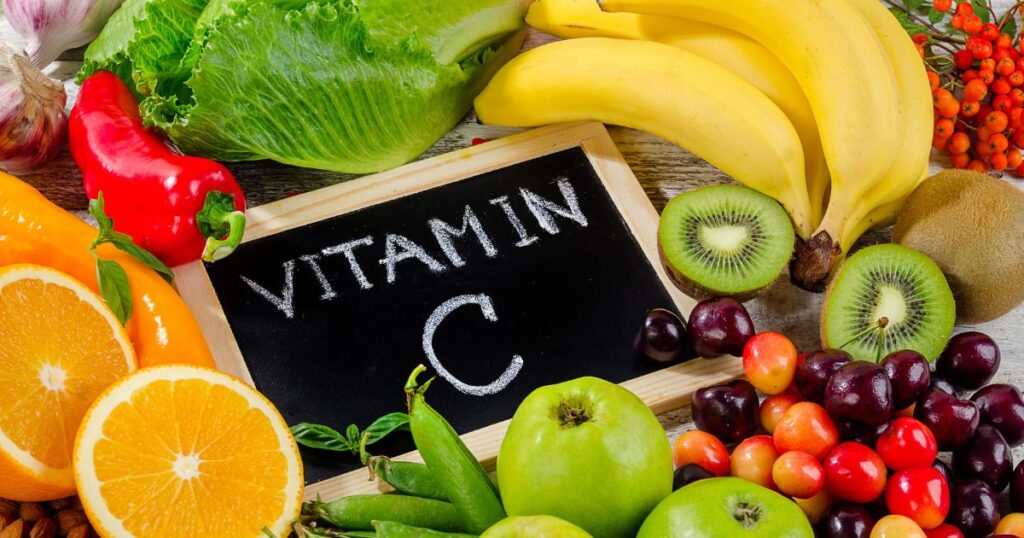
Vitamin C is one of the most important nutrients for maintaining good health. It supports immune function, collagen production, wound healing, iron absorption, healthy skin, blood vessel integrity, and antioxidant protection. Because the human body cannot produce or store large amounts of Vitamin C, consuming Vitamin C rich foods every day is essential.
Fortunately, many delicious fruits and vegetables are naturally rich in this essential vitamin. By including a variety of these foods in your daily meals, you can easily meet your nutritional requirements while enjoying additional health benefits from fiber, antioxidants, and other beneficial plant compounds.
Why Choose Food Instead of Supplements?
While Vitamin C supplements can help individuals who have difficulty meeting their nutritional needs, whole foods remain the best source. Vitamin C-rich fruits and vegetables also provide:
- Dietary fiber
- Potassium
- Folate
- Flavonoids
- Carotenoids
- Natural antioxidants
- Water for hydration
These nutrients work together to support overall health in ways that supplements alone cannot.
1. Guava
Guava is one of the richest natural sources of Vitamin C. A single guava can provide well over the daily requirement for most adults. In addition to Vitamin C, guava contains:
- Dietary fiber
- Potassium
- Folate
- Lycopene
- Antioxidants
Guava can be eaten fresh, blended into smoothies, or added to fruit salads.
2. Kakadu Plum
Native to Australia, Kakadu plum is considered one of the world’s richest sources of Vitamin C. It also contains:
- Polyphenols
- Potassium
- Natural antioxidants
Although it is less common in many countries, it demonstrates how diverse natural Vitamin C sources can be.
3. Cherry
Also called the Barbados cherry, acerola contains exceptionally high amounts of Vitamin C. It is commonly used in:
- Fruit juices
- Smoothies
- Dietary supplements
Its naturally tart flavor makes it popular in health beverages.
4. Bell Peppers
Bell peppers are among the richest vegetable sources of Vitamin C. Red bell peppers generally contain more Vitamin C than green peppers. They also provide:
- Vitamin A
- Vitamin B6
- Potassium
- Fiber
Because they can be eaten raw, they retain most of their Vitamin C content.
5. Kiwi
Kiwi is packed with Vitamin C and offers additional nutrients such as:
- Potassium
- Vitamin K
- Fiber
- Vitamin E
Its sweet-tart flavor makes it an excellent snack or breakfast addition.
6. Oranges
Oranges are one of the best-known sources of Vitamin C. Besides Vitamin C, they provide:
- Folate
- Potassium
- Fiber
- Flavonoids
Eating whole oranges is generally preferable to drinking juice because whole fruit contains more fiber.
7. Strawberries
Strawberries are rich in:
- Vitamin C
- Manganese
- Fiber
- Anthocyanins
- Antioxidants
They can be enjoyed fresh, or blended into smoothies.
8. Papaya
Papaya provides generous amounts of Vitamin C together with:
- Vitamin A
- Folate
- Potassium
- Fiber
It is an excellent addition to breakfast or fruit salads.
9. Pineapple
Pineapple contains Vitamin C while also providing bromelain, an enzyme involved in protein digestion. It also supplies:
- Manganese
- Copper
- Dietary fiber
Fresh pineapple makes a refreshing snack or dessert.
10. Mango
Mango contains moderate amounts of Vitamin C along with:
- Vitamin A
- Folate
- Vitamin E
- Potassium
Its naturally sweet flavor makes it a nutritious alternative to sugary desserts.
11. Lemons
Lemons are rich in Vitamin C and are commonly used to flavor foods and beverages. Adding fresh lemon juice to:
- Water
- Salads
- Vegetables
can increase both flavor and Vitamin C intake.
12. Grapefruit
Grapefruit contains Vitamin C together with antioxidants that support overall health. It is commonly eaten fresh or added to fruit salads.
People taking certain medications should consult their healthcare provider before consuming grapefruit regularly because it can interact with some prescription drugs.
13. Tomatoes
Tomatoes provide useful amounts of Vitamin C and are also an excellent source of lycopene, a naturally occurring antioxidant. They can be eaten:
- Raw
- Roasted
- In salads
- In soups
- In sauces
Fresh tomatoes generally contain more Vitamin C than heavily processed tomato products.
14. Broccoli
Broccoli is one of the healthiest vegetables you can eat. It provides a generous amount of Vitamin C along with several other important nutrients. Broccoli also contains:
- Vitamin K
- Folate
- Fiber
- Potassium
- Sulforaphane
Lightly steaming broccoli helps preserve more Vitamin C than boiling it for long periods.
15. Brussels Sprouts
Brussels sprouts are rich in Vitamin C and also provide fiber, vitamin K, and antioxidants. They can be:
- Roasted
- Steamed
- Stir-fried
- Added to salads
Proper cooking enhances their flavor while helping retain valuable nutrients.
16. Kale
Kale is a nutrient-dense leafy green packed with Vitamin C. It also supplies:
- Vitamin A
- Vitamin K
- Calcium
- Magnesium
- Fiber
Kale works well in smoothies, soups, salads, and stir-fries.
17. Spinach
Spinach contains moderate amounts of Vitamin C together with iron, folate, and magnesium. Pairing spinach with Vitamin C-rich foods like tomatoes or oranges helps improve the absorption of its plant-based iron.
18. Cabbage
Cabbage is an affordable vegetable that provides Vitamin C throughout the year. It can be enjoyed:
- Raw in salads
- Cooked in soups
- Stir-fried
- Fermented into sauerkraut
19. Cauliflower
Cauliflower contributes Vitamin C along with fiber and several antioxidants. It is a versatile vegetable that can be:
- Roasted
- Mashed
- Steamed
- Added to curries
20. Chili Peppers
Fresh chili peppers contain surprisingly high amounts of Vitamin C. They also contain capsaicin, the compound responsible for their spicy flavor.
Use them in moderation according to your tolerance.
21. Green Peas
Green peas provide Vitamin C together with:
- Plant protein
- Fiber
- Vitamin K
- Folate
They are an excellent addition to soups, rice dishes, and vegetable stews.
22. Sweet Potatoes
Although better known for beta-carotene, sweet potatoes also contribute useful amounts of Vitamin C. They provide:
- Fiber
- Potassium
- Vitamin A
- Complex carbohydrates
23. Potatoes
Regular potatoes contain moderate amounts of Vitamin C, especially when eaten with the skin. Baking or steaming helps retain more nutrients than prolonged boiling.
24. Lychee
Lychee is a tropical fruit with a sweet flavor and an impressive Vitamin C content. It also contains:
- Potassium
- Copper
- Polyphenols
Fresh lychee makes an excellent snack during its season.
25. Blackcurrants
Blackcurrants are among the richest berries containing Vitamin C. They also provide:
- Anthocyanins
- Fiber
- Potassium
- Natural antioxidants
They can be eaten fresh, dried, or blended into smoothies.
A diet rich in fruits and vegetables is the easiest and most effective way to meet your daily Vitamin C requirements. While citrus fruits often receive the most attention, many vegetables and tropical fruits contain equal or even greater amounts of this essential nutrient.
How Cooking Affects Vitamin C
Vitamin C is sensitive to:
- Heat
- Light
- Air
- Water
Long cooking times and excessive heat reduce the Vitamin C content of foods.
To preserve more Vitamin C:
- Steam vegetables instead of boiling them.
- Cook vegetables only until tender.
- Eat fresh fruits regularly.
- Avoid cutting fruits and vegetables long before eating them.
- Store produce in a cool place or refrigerator.
Key Takeaways
- Fruits and vegetables are the best natural sources of Vitamin C.
- Guava, bell peppers, kiwi, oranges, strawberries, broccoli, and kale are among the richest choices.
- Eating a variety of colorful produce provides additional nutrients and antioxidants beyond Vitamin C.
- Steaming and light cooking help preserve Vitamin C better than prolonged boiling.
- A balanced diet usually provides enough Vitamin C for healthy individuals without the need for supplements.
Conclusion
Vitamin C is one of the easiest nutrients to obtain through a healthy diet. By regularly eating a variety of these colorful fruits and vegetables, you can provide your body with the Vitamin C it needs to support healthy immune system, collagen production, iron absorption, antioxidant protection and a healthy looking skin.
According to NIH, The best sources of vitamin C are fruits and vegetables, especially citrus fruits, red and green peppers, kiwifruit, broccoli, strawberries, and Brussels sprouts. Orange juice, grapefruit juice, and tomato juice also contain large amounts of vitamin C, and vitamin C is added to some breakfast cereals. Vitamin C is water soluble and susceptible to heat, so cooking can reduce the vitamin C content of food.
Instead of relying on a single food, aim for diversity. Combining citrus fruits, tropical fruits, berries, leafy greens, and cruciferous vegetables helps ensure a broad intake of vitamins, minerals, fiber, and beneficial plant compounds. These foods work together to support long-term wellness and reduce the risk of nutrient deficiencies.