Gut health has become one of the most talked-about topics in nutrition and wellness—and for good reason. Your gut does much more than digest food. It plays a vital role in nutrient absorption, immune function, metabolism, hormone regulation, and even mental health.
A healthy gut supports efficient digestion, helps protect the body from harmful microbes, and houses trillions of beneficial microorganisms collectively known as the gut microbiome. When the balance of these microorganisms is disrupted, it may contribute to digestive problems and increase the risk of certain health conditions.
The good news is that healthy lifestyle habits, including eating a balanced diet, staying physically active, managing stress, and getting enough sleep, can support gut health throughout life.
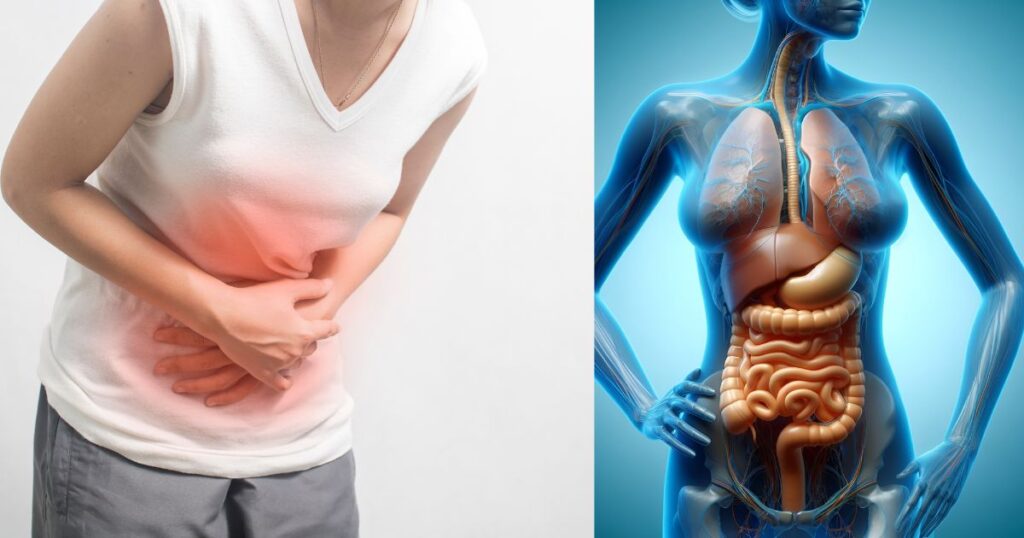
This guide explains what gut health is, why it matters, the factors that influence it, common signs of an unhealthy gut, and practical ways to maintain a healthy digestive system.
What Is Gut Health?
Gut health refers to the proper functioning and balance of the digestive system, particularly the gastrointestinal (GI) tract and the trillions of microorganisms that live within it. The digestive system is responsible for:
- Breaking down food
- Absorbing nutrients
- Eliminating waste
- Supporting immune function
- Producing certain vitamins
- Helping regulate metabolism
A healthy gut is one that digests food efficiently, absorbs nutrients effectively, maintains a balanced gut microbiome, and protects the body from harmful microorganisms.
Quick Facts About Gut Health
| Fact | Information |
|---|---|
| What is the gut? | The digestive tract, including the stomach, intestines, and other digestive organs |
| What is the gut microbiome? | Trillions of bacteria, fungi, viruses, and other microorganisms living in the digestive tract |
| Why is gut health important? | It supports digestion, immunity, metabolism, and overall health |
| Can gut health improve? | Yes, healthy lifestyle habits can support a healthier gut microbiome |
| Does gut health affect the whole body? | Yes, it influences multiple body systems beyond digestion |
How Does the Digestive System Work?
The digestive system breaks food into nutrients that the body can use for energy, growth, and repair. The process includes:
- Food enters the mouth, where chewing begins digestion.
- The stomach mixes food with digestive juices.
- The small intestine absorbs most nutrients.
- The large intestine absorbs water and supports beneficial gut bacteria.
- Waste leaves the body through the rectum and anus.
Throughout this process, the gut microbiome helps digest certain foods, produce vitamins, and maintain a healthy intestinal environment.
What Is the Gut Microbiome?
The gut microbiome refers to the community of microorganisms living in your digestive tract. These microorganisms include:
- Bacteria
- Viruses
- Fungi
- Archaea
Most are harmless, and many provide important health benefits.
A diverse and balanced gut microbiome is generally associated with better overall health.
Why Is Gut Health Important?
Healthy gut function affects far more than digestion. A healthy gut supports:
- Efficient digestion
- Nutrient absorption
- Immune system function
- Vitamin production
- Healthy metabolism
- Normal bowel movements
- Protection against harmful microorganisms
Researchers continue to study the relationship between gut health and other aspects of health, including brain function and chronic disease.
Functions of a Healthy Gut
Digestion
The digestive system breaks down carbohydrates, proteins, and fats into nutrients the body can absorb.
Nutrient Absorption
The small intestine absorbs nutrients including:
- Vitamins
- Minerals
- Protein
- Healthy fats
- Carbohydrates
Poor gut health may interfere with nutrient absorption.
Immune System Support
Approximately 70% of the body’s immune cells are associated with the gastrointestinal tract.
The gut helps distinguish between beneficial microorganisms and harmful pathogens.
Vitamin Production
Certain gut bacteria help produce vitamins such as:
- Vitamin K
- Some B vitamins
These vitamins contribute to normal body functions.
Protection Against Harmful Microorganisms
Beneficial gut bacteria compete with harmful microbes, helping maintain a healthy balance within the digestive tract.
Factors That Affect Gut Health
Many lifestyle and environmental factors influence gut health.
Diet
A balanced diet rich in:
- Fruits
- Vegetables
- Whole grains
- Legumes
- Nuts
- Seeds
supports a healthier gut microbiome.
Highly processed foods and diets low in fiber may negatively affect gut bacteria.
Fiber Intake
Dietary fiber serves as food for beneficial gut bacteria. Good sources include:
- Beans
- Lentils
- Oats
- Apples
- Broccoli
- Whole grains
Physical Activity
Regular exercise supports overall digestive health and may positively influence the gut microbiome.
Sleep
Poor sleep may disrupt the balance of gut bacteria and affect digestive health. Adults should prioritize consistent, quality sleep.
Stress
Long-term stress may contribute to digestive symptoms such as:
- Stomach discomfort
- Changes in bowel habits
- Reduced appetite
Stress management supports both gut and overall health.
Antibiotics
Antibiotics can be lifesaving when appropriately prescribed, but they may also reduce beneficial gut bacteria along with harmful ones.
Only use antibiotics as directed by a healthcare professional.
Signs of an Unhealthy Gut
Symptoms vary depending on the underlying condition. Possible signs include:
- Frequent bloating
- Excess gas
- Constipation
- Diarrhea
- Abdominal pain
- Heartburn
- Food intolerances
- Fatigue related to underlying digestive conditions
- Unexplained weight changes
These symptoms can have many causes and should be evaluated if persistent.
Conditions That Affect Gut Health
Common digestive conditions include:
- Irritable bowel syndrome (IBS)
- Inflammatory bowel disease (IBD)
- Gastroesophageal reflux disease (GERD)
- Celiac disease
- Diverticular disease
- Gastroenteritis
- Lactose intolerance
- Constipation
Each condition has different causes and treatments.
How to Improve Gut Health
Evidence-based strategies include:
- Eat more fermented foods
- Eat more fruits and vegetables.
- Increase fiber intake gradually.
- Choose whole grains.
- Stay hydrated.
- Exercise regularly.
- Sleep 7–9 hours each night.
- Manage stress.
- Avoid smoking.
- Limit excessive alcohol intake.
- Only use antibiotics when medically necessary.
Foods That Support Gut Health
Foods associated with healthy gut function include:
High-Fiber Foods
- Oats
- Brown rice
- Whole wheat
- Beans
- Lentils
Fruits
- Apples
- Bananas
- Berries
- Pears
- Oranges
Vegetables
- Broccoli
- Spinach
- Carrots
- Brussels sprouts
- Sweet potatoes
Fermented Foods
Some fermented foods naturally contain live microorganisms.
Examples include:
- Pap Water
- Kimchi
- Locust Beans (Iru, Ogiri, Ogiri okpei, or dawa dawa)
- Yogurt with live cultures
- Kefir
- Sauerkraut
Research into fermented foods and the gut microbiome is ongoing, and benefits may vary among individuals.
Probiotics and Prebiotics
Probiotics
Probiotics are live microorganisms that may provide health benefits when consumed in adequate amounts. They are found in certain foods and dietary supplements.
Not all probiotic products have the same effects, and evidence varies depending on the strain and health condition.
Prebiotics
Prebiotics are types of dietary fiber that nourish beneficial gut bacteria. Foods rich in prebiotics include:
- Garlic
- Onions
- Asparagus
- Bananas
- Chicory root
- Oats
Myths vs. Facts
| Myth | Fact |
|---|---|
| Everyone needs probiotic supplements. | Many people can support gut health through a balanced diet without supplements. |
| Gut health only affects digestion. | Gut health also influences immunity, metabolism, and other body systems. |
| Detox diets cleanse the gut. | The digestive system naturally removes waste; detox diets have limited scientific support. |
| All bacteria are harmful. | Many bacteria are beneficial and essential for good health. |
| Fermented foods cure digestive diseases. | Fermented foods may support gut health, but they are not a cure for digestive disorders. |
When Should You See a Doctor?
Seek medical advice if you experience:
- Persistent abdominal pain
- Blood in the stool
- Ongoing diarrhea
- Chronic constipation
- Unexplained weight loss
- Difficulty swallowing
- Persistent vomiting
- Severe bloating
- Symptoms lasting more than a few weeks
Early evaluation can help identify underlying digestive conditions.
Frequently Asked Questions
What is gut health?
Gut health refers to the proper functioning of the digestive system and maintaining a healthy balance of microorganisms within the gastrointestinal tract.
Why is gut health important?
A healthy gut supports digestion, nutrient absorption, immune function, and overall health.
Do probiotics improve gut health?
Some probiotic strains may benefit certain people and health conditions, but not everyone needs probiotic supplements. Benefits depend on the specific strain and individual circumstances.
Conclusion
Gut health is fundamental to overall well-being because it influences digestion, nutrient absorption, immune function, and many other essential processes. A healthy gut depends on a balanced digestive system and a diverse gut microbiome working together to support normal body functions.
Although gut health can be affected by diet, stress, sleep, medications, and medical conditions, many healthy habits can help maintain a thriving digestive system. Eating a fiber-rich diet, staying physically active, managing stress, getting enough sleep, and seeking medical care for persistent digestive symptoms are practical steps that support long-term gut health.
Taking care of your gut is an investment in your overall health, helping your body function at its best today and in the future.
Recommended External References
Readers seeking more information can consult organizations such as:
- World Health Organization. (2025). Healthy Diet. https://www.who.int/news-room/fact-sheets/detail/healthy-diet
- National Institute of Diabetes and Digestive and Kidney Diseases. (2025). Your Digestive System & How It Works. https://www.niddk.nih.gov/
- National Institutes of Health – MedlinePlus. (2025). Digestive Diseases. https://medlineplus.gov/
- American Gastroenterological Association. (2025). Digestive Health. https://gastro.org/
- American College of Gastroenterology. (2025). Patient Resources. https://gi.org/
- Mayo Clinic. (2025). Digestive Diseases and Conditions. https://www.mayoclinic.org/
- NHS. (2025). Digestive Health. https://www.nhs.uk/
- Harvard T.H. Chan School of Public Health. (2025). The Nutrition Source: The Microbiome. https://www.hsph.harvard.edu/nutritionsource/
Disclaimer
This article is for educational purposes only and should not replace professional medical advice, diagnosis, or treatment. If you have persistent digestive symptoms or concerns about your gut health, consult a qualified healthcare professional for appropriate evaluation and personalized care.
Reviewed and written by the HealthVineHub Medical Editorial Team
This article was prepared by an experienced medical content writer and reviewed using guidance from leading public health organizations, including the World Health Organization (WHO), the Centers for Disease Control and Prevention (CDC), and other reputable medical sources. Our editorial team is committed to producing accurate, evidence-based, reader-friendly health information that supports informed healthcare decisions.