Vitamin B2, also known as riboflavin, is an essential water-soluble vitamin that plays a crucial role in energy production, cellular function, growth, and overall health. As one of the eight B-complex vitamins, riboflavin helps the body convert food into usable energy and supports the proper functioning of numerous organs and systems.
Vitamin B2 is required for healthy skin, eyes, nerves, and red blood cell production. It also acts as an antioxidant, helping to protect cells from damage caused by harmful free radicals.
In this article, We’ll be looking into the amazing benefits, food sources, deficiency symptoms, supplements, and uses of vitamin B2.
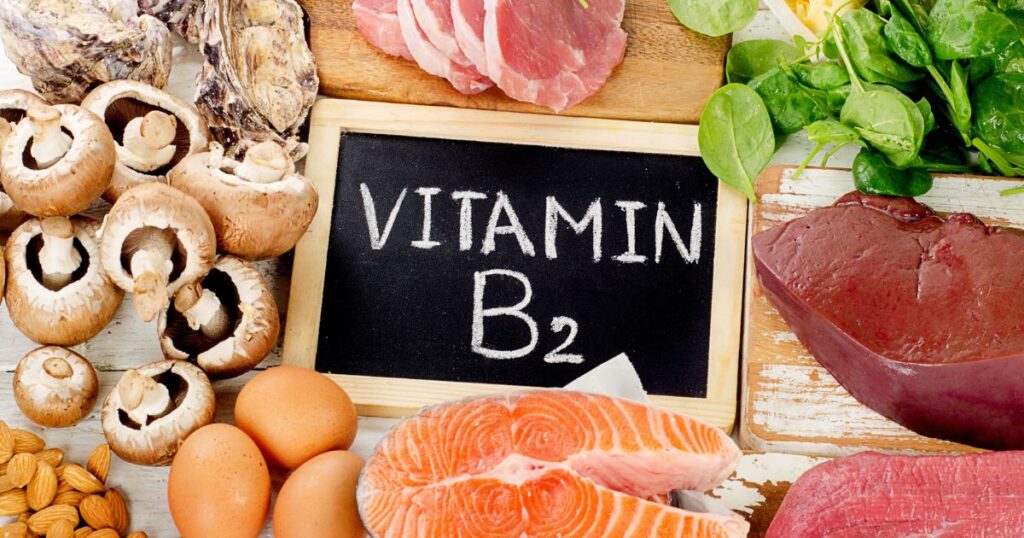
What Is Vitamin B2?
Vitamin B2 is one of the B-Vitamins that helps the body convert carbohydrates, fats, and proteins into energy. It acts as a component of two important coenzymes:
- Flavin mononucleotide (FMN)
- Flavin adenine dinucleotide (FAD)
These coenzymes participate in numerous metabolic reactions throughout the body. Vitamin B2 is essential for:
- Energy production
- Cellular growth
- Tissue repair
- Antioxidant activity
- Nervous system function
- Eye health
According to NIH, Riboflavin (also known as vitamin B2) is one of the B vitamins, which are all water soluble. Riboflavin is naturally present in some foods, added to some food products, and available as a dietary supplement. This vitamin is an essential component of two major coenzymes, flavin mononucleotide (FMN; also known as riboflavin-5’-phosphate) and flavin adenine dinucleotide (FAD). These coenzymes play major roles in energy production; cellular function, growth, and development; and metabolism of fats, drugs, and steroids
Although Vitamin B2 deficiency is relatively uncommon in people who consume balanced diets, inadequate intake can lead to a variety of health problems, including fatigue, skin disorders, and eye complications. Knowing the importance of vitamin B2 can help us make informed dietary choices that support our general health. Because the body cannot store large amounts of vitamin B2, it must be obtained regularly through food or supplements.
Vitamin B2, naturally has a bright yellow color, which explains why excess intake may cause urine to appear bright yellow.
Vitamin B2 Functions
Vitamin B2 performs several functions in the body. The key functions includes:
Energy Production
One of the primary roles of riboflavin is helping convert food into energy. It assists in the metabolism of:
- Carbohydrates
- Fats
- Proteins
Without adequate Vitamin B2, cells cannot efficiently produce the energy needed for daily activities.
Supports Growth and Repair
Riboflavin supports:
- Cell growth
- Tissue repair
- Tissue maintenance
These functions are particularly important during growth, pregnancy, and recovery from illness.
Antioxidant
Vitamin B2 contributes to the body’s antioxidant defenses by helping protect cells from oxidative stress and damage and It also helps support the activity of glutathione, one of the body’s most important antioxidants.
Production of Red Blood Cells
Vitamin B2 assists in the formation of healthy red blood cells, which carry oxygen throughout the body.
Supports the Nervous System
The nervous system depends on adequate riboflavin for proper function and energy metabolism.
Food Sources of Vitamin B2
Vitamin B2 is found in a wide variety of foods. Excellent sources include:
- Salmon
- Tuna
- Mushrooms
- Milk
- Spinach
- Kale
- Broccoli
- Mackerel
- Beef
- Almonds
- Sunflower seeds
- Chicken
- Turkey
- Liver
- Yogurt
- Cheese
- Eggs
- Fortified Breakfast cereals
- Fortified Bread
- Fortified Pasta
Benefits of Vitamin B2
Vitamin B2 offers numerous health benefits.
1. Supports Energy Production
Riboflavin plays a key role in converting nutrients into usable energy by:
- Supporting metabolism
- Promoting energy production
- Helping reduce fatigue associated with deficiency
2. Supports Eye Health
Vitamin B2 is important for maintaining healthy eyes. Its benefits include:
- Supporting normal vision
- Protecting eye tissues
- Supporting overall eye health
Deficiency may contribute to:
- Eye fatigue
- Light sensitivity
- Redness
- Visual discomfort
Adequate intake supports healthy vision and eye function.
3. Promotes Healthy Skin
Riboflavin contributes to maintaining healthy skin by:
- Supporting skin repair
- Maintaining skin integrity
- Promoting healthy skin appearance
4. Promotes Healthy Nervous System Function
The nervous system requires riboflavin for energy production and proper operation. Its benefits includes:
- Supporting nerve health
- Promoting neurological function
- Supporting cognitive wellness
5. Supports Red Blood Cell Production
Vitamin B2 helps support healthy red blood cell production. This contributes to:
- Oxygen transport
- Energy levels
- Overall vitality
6. Supports Antioxidant Activity
Riboflavin helps maintain glutathione levels and supports antioxidant defenses. Benefits include:
- Cellular protection
- Reduced oxidative stress
- Support for healthy aging
7. Promotes Growth and Development
Vitamin B2 is particularly important during:
- Childhood
- Adolescence
- Pregnancy
It supports normal growth and development.
8. Supports Healthy Cardiovascular System
By contributing to energy production and cellular function, riboflavin supports cardiovascular wellness.
9. Supports Iron Utilization
Vitamin B2 assists in the proper utilization of iron. This helps support healthy blood production.
Vitamin B2 Deficiency
Vitamin B2 deficiency known as ariboflavinosis is relatively uncommon, it can occur when dietary intake is insufficient or absorption is impaired.
Causes of Vitamin B2 Deficiency
Common causes include:
- Poor diet
- Rapid growth
- Alcohol
- Pregnancy
- Breastfeeding
- Digestive disorders
Symptoms of Vitamin B2 Deficiency
Deficiency may affect several body systems. Common symptoms include:
- Mouth sores
- Cracked lips
- Fatigue
- Weakness
- Sore throat
- Swollen tongue
- Dry skin
- Eye irritation
- Sensitivity to light
Vitamin B2 Supplements
Vitamin B2 supplements may be recommended for individuals with deficiency or increased needs and these supplements are available in various forms including:
- Tablets
- Capsules
- Multivitamins
- B-complex supplements
Side Effects of Vitamin B2 Supplements
Vitamin B2 is generally considered safe and because it is a water-soluble vitamin, excess amounts are excreted through urine. Possible effects include:
- Bright yellow urine
- Mild digestive discomfort in rare cases
Vitamin B2 has a very low risk of toxicity and the body efficiently eliminates excess amounts through urine.
Note:
Vitamin B2 supplements may be useful to Individuals with deficiency, Older adults. People with poor diet, Individuals with digestive disorders, Pregnant women, people with increased nutritional need. To support healthy riboflavin level, Consume dairy products regularly, Eat green leafy vegetables, Include eggs and lean meats in your diet, Choose fortified cereals, Maintain a balanced diet, and Limit excessive alcohol consumption.
Conclusion
Vitamin B2, also known as riboflavin, is an essential water-soluble vitamin that plays a crucial role in energy production, cellular function, growth, and overall health. As one of the eight B-complex vitamins, riboflavin helps the body convert food into usable energy and supports the proper functioning of numerous organs and systems.
Found in dairy products, eggs, meat, mushrooms, fish, vegetables, nuts, and fortified foods, vitamin B2 is widely available through a balanced diet. Although deficiency is uncommon, inadequate intake can lead to fatigue, skin problems, mouth sores, and eye complications.
Regular consumption of riboflavin-rich foods, combined with supplementation when medically indicated, helps maintain healthy levels and supports overall wellness. From supporting metabolism and vision to protecting cells from oxidative damage, vitamin B2 remains one of the most important nutrients for a healthy life and general well-being.
Disclaimer
This information is for educational purposes only and should not replace professional medical advice. Always consult a qualified healthcare professional before starting any supplement or treatment, especially during pregnancy, illness, or at any given time.