Rice, Scientifically known as Oryza sativa, is one of the most important staple foods in the world and serves as a primary source of nutrition for more than half of the global population. and is grown in a wide range of climates. It is available in many varieties, including white rice, brown rice, black rice, red rice, jasmine rice, basmati rice, and wild rice. Each type has unique nutritional value, flavors, and culinary uses.
It has been cultivated for thousands of years and remains a fundamental component of diets across Asia, Africa, Europe, America, and many other regions. Rice is valued for its versatility, affordability, ease of preparation, and ability to provide energy through its carbohydrate content.
In this article, We’ll be talking about the health benefits, types, uses, and importance of Rice.
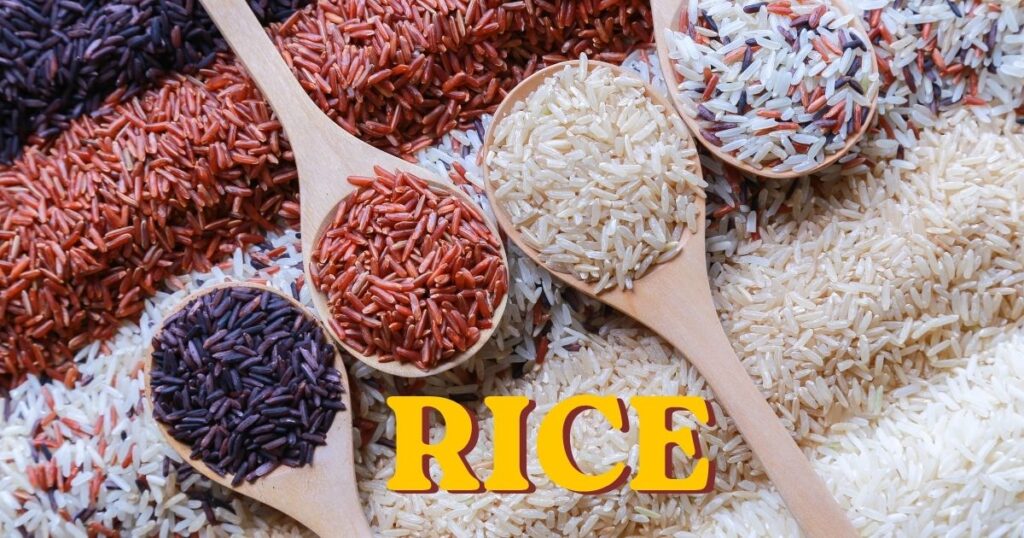
What Is Rice?
Rice is the edible seed of a grass plants belonging to the genus Oryza. It is one of the oldest cultivated crops in history and has been consumed for thousands of years. It is not only a major food crop but also an important economic commodity that supports millions of farmers and contributes significantly to food security worldwide. It can be commonly eaten as:
- Boiled rice
- Fried rice
- Rice flour products
- Rice porridge
- Rice cakes
- Rice noodles
- Rice-based beverages
Its mild flavor allows it to pair well with a wide variety of foods, making it a staple in many cuisines. It is used to make numerous food products. Examples include:
- Rice flour
- Rice noodles
- Rice cakes
- Rice crackers
- Rice milk
- Rice cereal
These products increase the versatility of rice in different cuisines.
History of Rice
Rice cultivation began thousands of years ago, It is primarily grown in flooded fields known as paddies and swampy areas. It is cultivated mostly in China, India, Indonesia, Bangladesh, Vietnam, Thailand, and Africa. Rice farming supports millions of livelihoods worldwide.
Today, rice remains one of the most important agricultural crops in the world.
Nutrients
Rice provides several essential nutrients. The exact nutritional composition varies depending on the type of rice and how it is processed. The nutrients found in rice include:
- Carbohydrates
- Protein
- Fiber
- B vitamins
- Iron
- Magnesium
- Phosphorus
- Selenium
- Manganese
Carbohydrates are the primary nutrient found in rice. Benefits include:
- Providing energy
- Supporting physical activity
- Fueling brain function
Although rice is not a high-protein food, it contributes moderate amounts of protein to the diet. Protein supports:
- Muscle maintenance
- Tissue repair
- Growth and development
Types of Rice
According to The Nutrition Source, There are many types of Oryza sativa, which can differ in size, thickness, stickiness, color, aroma, and flavor. Rice is often broadly categorized based on its shape or method of processing. Some of the most common types include:
1. White Rice
White rice is the most widely consumed form of rice. It has had the bran and germ removed during processing. Characteristics:
- Soft texture
- Mild flavor
- Longer shelf life
- Easy digestion
2. Brown Rice
Brown rice retains the bran and germ layers. Benefits:
- Higher fiber content
- More vitamins and minerals
- Greater nutritional value
3. Basmati Rice
Basmati rice is a long-grain aromatic rice commonly used in South Asian cuisine. Characteristics:
- Distinct aroma
- Fluffy texture
- Long grains
4. Jasmine Rice
Jasmine rice is popular in Southeast Asian cooking. Characteristics:
- Fragrant aroma
- Soft texture
- Slightly sticky consistency
5. Black Rice
Often called “forbidden rice,” black rice contains antioxidants known as anthocyanins. Benefits:
- Rich in antioxidants
- Higher nutrient content
6. Red Rice
Red rice contains natural pigments and valuable nutrients. Benefits:
- Good fiber content
- Rich in antioxidants
7. Wild Rice
Although technically not true rice, wild rice is commonly grouped with rice products. Benefits:
- Higher protein content
- Rich in minerals
Rice Benefits
Rice offers several health benefits when consumed as part of a balanced diet.
1. Excellent Source of Energy
Rice is rich in carbohydrates, which are converted into glucose, making it an important energy source. Benefits include:
- Supporting physical activity
- Providing sustained energy
- Supporting physical performance
- Supporting brain activity
- Fueling muscles
2. Naturally Gluten-Free
Rice does not contain gluten, This makes it suitable for individuals with:
- Celiac disease
- Gluten sensitivity
- Wheat allergies
3. Supports Digestive Health
Rice is often recommended during periods of digestive discomfort because it is generally easy to digest.Benefits may include:
- Gentle on the stomach
- Easily tolerated
- Suitable for recovery diets
Certain types of rice, particularly brown rice, contain dietary fiber. Fiber helps:
- Promote regular bowel movements
- Support digestive health
- Improve gut health
4. Supports Heart Health
Whole-grain rice varieties contain nutrients that support cardiovascular wellness. Examples include:
- Magnesium
- Fiber
- Antioxidants
5. Supports Healthy Weight Management
Rice can be included in healthy eating plans when consumed in appropriate portions. Whole-grain varieties may help promote feelings of fullness due to their fiber content.
6. Provides Essential Nutrients
Rice contributes important vitamins and minerals that support:
- Metabolism
- Growth
- Cellular function
7. Supports Muscle Recovery
Athletes often consume rice because it helps replenish glycogen stores after exercise.
8. Suitable for Many Diets
Rice is compatible with:
- Vegetarian diets
- Vegan diets
- Gluten-free diets
- Low-fat diets
9. Contributes to Food Security
Rice provides affordable nutrition for billions of people worldwide.
Note:
Highly processed rice products may contain fewer nutrients than whole-grain rice, and Incorporating Vegetables, Fruits, Proteins, and Healthy fats to your rice meals, helps ensure nutritional balance.
Conclusion
Rice, Scientifically known as Oryza sativa, is one of the most important staple foods in the world and serves as a primary source of nutrition for more than half of the global population. and is grown in a wide range of climates. It is available in many varieties, including white rice, brown rice, black rice, red rice, jasmine rice, basmati rice, and wild rice. Each type has unique nutritional value, flavors, and culinary uses.
Children, Adults, Athletes, Older adults, Individuals following gluten-free diets, and People seeking affordable nutrition can benefit from this plant grain. Its versatility makes it suitable for a wide range of dietary needs.
Available in many varieties such as white rice, brown rice, jasmine rice, basmati rice, black rice, and red rice, it offers diverse nutritional profiles and culinary uses. Whole-grain options provide additional fiber and nutrients, while refined varieties remain valuable sources of energy and nutrition.
Overall, rice remains one of the most valuable and widely consumed foods, providing nourishment, versatility, and cultural significance across generations and continents.