Arthritis is one of the most common causes of joint pain and disability worldwide. It affects people of all ages, although it is more common in older adults. Many people think arthritis is simply a normal part of aging, but that is not entirely true. While the risk of some forms of arthritis increases with age, the condition can also affect children, teenagers, and young adults.
Arthritis is not a single disease. Instead, it is a term used to describe more than 100 different conditions that affect the joints and surrounding tissues. Some types are caused by wear and tear, while others develop because the immune system mistakenly attacks healthy joints.
Without proper treatment, arthritis can interfere with daily activities such as walking, climbing stairs, opening jars, or even holding a pen. The good news is that early diagnosis, appropriate treatment, regular physical activity, and healthy lifestyle habits can help reduce symptoms, protect the joints, and improve quality of life.
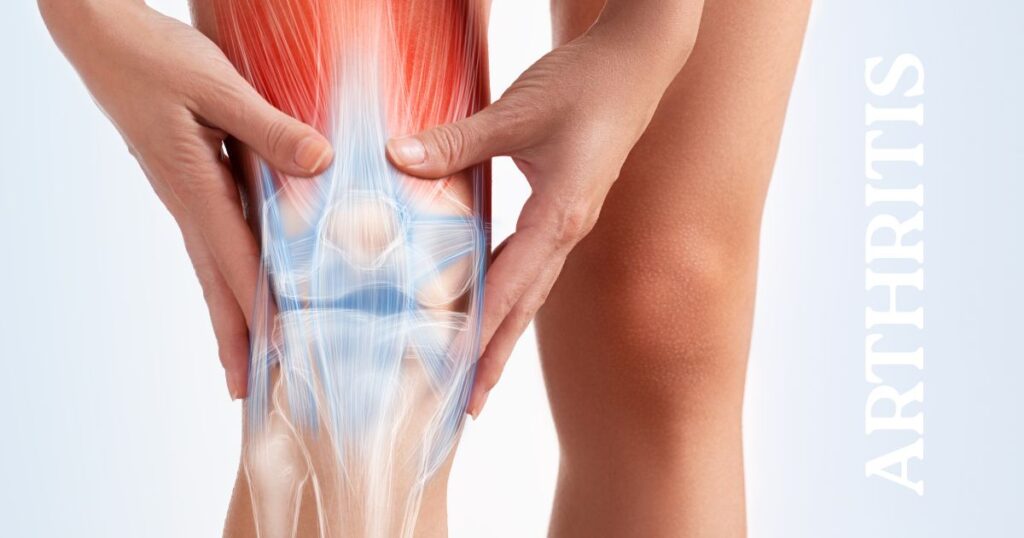
This guide explains what arthritis is, its causes, common symptoms, different types, diagnosis, treatment options, and practical ways to manage the condition.
What Is Arthritis?
Arthritis is a group of diseases that cause inflammation, pain, stiffness, or damage in one or more joints.
A joint is where two or more bones meet. Joints allow your body to move smoothly and perform everyday activities such as walking, bending, reaching, and gripping objects.
When arthritis develops, the joint or the tissues surrounding it become inflamed or damaged. This may cause:
- Joint pain
- Swelling
- Stiffness
- Reduced movement
- Tenderness
- Difficulty performing daily activities
Some forms of arthritis mainly affect the joints, while others can also affect the skin, eyes, lungs, heart, kidneys, or other organs.
Facts About Arthritis
| Fact | Information |
|---|---|
| What is it? | A group of diseases affecting the joints |
| Number of types | More than 100 |
| Main symptoms | Joint pain, stiffness, swelling |
| Can young people develop it? | Yes |
| Can it be cured? | Most types cannot be cured, but symptoms can often be managed successfully |
How Do Healthy Joints Work?
Healthy joints are covered with smooth cartilage, which cushions the ends of bones and allows them to glide smoothly during movement.
The joint is also surrounded by a capsule lined with a membrane that produces synovial fluid, a slippery liquid that lubricates the joint and reduces friction. In many types of arthritis:
- Cartilage gradually wears away.
- The lining of the joint becomes inflamed.
- Extra fluid may build up.
- Bones may rub against each other.
- Joint movement becomes painful and restricted.
Over time, untreated arthritis may permanently damage the joint.
Types of Arthritis
There are many different forms of arthritis, but the most common include osteoarthritis, rheumatoid arthritis, gout, psoriatic arthritis, and juvenile idiopathic arthritis.
1. Osteoarthritis
Osteoarthritis is the most common type of arthritis.
It develops when the protective cartilage covering the ends of bones gradually wears away. Commonly affected joints include:
- Knees
- Hips
- Hands
- Spine
Risk factors include:
- Aging
- Previous joint injuries
- Obesity
- Genetics
- Repetitive joint use
2. Rheumatoid Arthritis
Rheumatoid arthritis is an autoimmune disease.
The immune system mistakenly attacks the lining of healthy joints, causing inflammation. Unlike osteoarthritis, rheumatoid arthritis often affects:
- Both sides of the body
- Smaller joints first
- Hands
- Wrists
- Feet
Without treatment, rheumatoid arthritis may permanently damage joints and other organs.
3. Gout
Gout develops when uric acid crystals build up inside the joints. It often affects:
- The big toe
- Ankles
- Knees
- Feet
Gout attacks usually begin suddenly and may cause severe pain, redness, warmth, and swelling.
4. Psoriatic Arthritis
Psoriatic arthritis occurs in some people with psoriasis, a chronic skin disease. Symptoms may include:
- Joint pain
- Swollen fingers or toes
- Nail changes
- Skin plaques
5. Juvenile Idiopathic Arthritis
This type affects children younger than 16 years. Symptoms vary but may include:
- Joint swelling
- Pain
- Stiffness
- Fever
- Fatigue
Early treatment helps protect growing joints.
What Causes Arthritis?
The causes depend on the type.
Osteoarthritis
Often results from:
- Cartilage breakdown
- Aging
- Joint injuries
- Repetitive stress
- Excess body weight
Rheumatoid Arthritis
Caused by an autoimmune response in which the immune system attacks healthy tissues.
The exact cause remains unknown, although genetics and environmental factors may contribute.
Gout
Develops when high levels of uric acid form crystals inside the joints.
Other Causes
Some forms of arthritis may also be associated with:
- Infections
- Metabolic disorders
- Autoimmune diseases
- Genetics
Risk Factors
Several factors increase the risk of arthritis. Common risk factors include:
- Older age
- Family history
- Obesity
- Previous joint injuries
- Repetitive physical work
- Smoking (particularly for rheumatoid arthritis)
- Certain infections
- Autoimmune diseases
Not everyone with these risk factors develops arthritis.
Symptoms of Arthritis
Symptoms vary depending on the type but commonly include:
- Joint pain
- Morning stiffness
- Swelling
- Warmth around the joint
- Tenderness
- Reduced range of motion
- Weakness
- Difficulty walking
- Fatigue (especially with inflammatory arthritis)
Symptoms may develop gradually or suddenly.
How Is Arthritis Diagnosed?
Healthcare professionals diagnose arthritis using several methods.
Medical History
Your doctor will ask about:
- Symptoms
- Family history
- Previous injuries
- Daily activities
Physical Examination
The joints are checked for:
- Swelling
- Tenderness
- Warmth
- Movement
- Muscle strength
Imaging Tests
These may include:
- X-rays
- MRI scans
These tests help identify joint damage and inflammation.
Blood Tests
Blood tests may help detect:
- Inflammation
- Autoimmune disease
- Uric acid levels
- Certain antibodies associated with rheumatoid arthritis
Possible Complications
Untreated arthritis may lead to:
- Chronic pain
- Permanent joint damage
- Reduced mobility
- Muscle weakness
- Joint deformities
- Disability
- Reduced quality of life
Some inflammatory types may also affect:
- Heart
- Eyes
- Lungs
- Blood vessels
Early treatment helps reduce these risks.
How Is Arthritis Treated?
Treatment depends on the type and severity.
Medications
Treatment may include:
- Pain relievers
- Nonsteroidal anti-inflammatory drugs (NSAIDs)
- Corticosteroids
- Disease-modifying antirheumatic drugs (DMARDs)
- Biologic medicines
Medication choices vary depending on the type of arthritis.
Physical Therapy
Physical therapy helps:
- Improve flexibility
- Strengthen muscles
- Reduce pain
- Improve joint function
Exercise
Regular physical activity helps:
- Maintain joint movement
- Strengthen muscles
- Improve balance
- Reduce stiffness
Low-impact activities include:
- Walking
- Swimming
- Cycling
- Yoga
- Tai chi
Weight Management
Maintaining a healthy weight reduces stress on weight-bearing joints such as:
- Knees
- Hips
- Ankles
Even modest weight loss may improve symptoms for some people with osteoarthritis.
Surgery
If severe joint damage occurs, surgery may be considered.
Examples include:
- Joint replacement
- Joint repair
- Joint fusion
Surgery is usually considered after other treatments have not provided sufficient relief.
Can Arthritis Be Prevented?
Some forms, such as autoimmune arthritis, cannot currently be prevented.
However, healthy lifestyle habits may reduce the risk of certain types or help slow progression. Helpful habits include:
- Maintaining a healthy weight
- Exercising regularly
- Protecting joints from injury
- Avoiding smoking
- Eating a balanced diet
- Managing chronic conditions
Living Well With Arthritis
Many people successfully manage arthritis and continue to lead active lives. Helpful strategies include:
- Following your treatment plan
- Staying physically active
- Maintaining a healthy weight
- Using assistive devices if needed
- Protecting painful joints
- Managing stress
- Getting enough sleep
- Attending regular medical appointments
Support from healthcare professionals, family, and arthritis education programs can also improve quality of life.
Myths vs. Facts
| Myth | Fact |
|---|---|
| Arthritis only affects older adults. | Arthritis can affect people of all ages, including children. |
| Exercise makes arthritis worse. | Appropriate exercise often helps reduce pain and improve joint function. |
| All joint pain is arthritis. | Joint pain has many possible causes and should be properly evaluated. |
| Arthritis is simply a normal part of aging. | While age increases the risk of some types, arthritis is a medical condition, not an inevitable part of aging. |
| Nothing can be done for arthritis. | Treatments, lifestyle changes, and rehabilitation can greatly improve symptoms and quality of life. |
When Should You See a Doctor?
Seek medical advice if you experience:
- Persistent joint pain
- Joint swelling
- Morning stiffness lasting more than 30 minutes
- Difficulty moving a joint
- Red, hot, or swollen joints
- Sudden severe joint pain
- Joint symptoms that interfere with daily activities
Early diagnosis often leads to better long-term outcomes.
Frequently Asked Questions
Is arthritis the same as joint pain?
No. Arthritis is one possible cause of joint pain, but joint pain can also result from injuries, infections, or other medical conditions.
Can arthritis be cured?
Most forms of arthritis cannot currently be cured, but treatments can help manage symptoms, reduce inflammation, and slow disease progression.
What is the most common type of arthritis?
Osteoarthritis is the most common type, particularly among older adults.
Does exercise help arthritis?
Yes. Appropriate low-impact exercise can improve flexibility, strengthen muscles, reduce stiffness, and support joint health.
Conclusion
Arthritis is a common condition that affects the joints and can significantly impact daily life if left untreated. Because arthritis includes many different diseases, understanding the specific type is essential for choosing the most effective treatment.
Although most forms of arthritis cannot be cured, early diagnosis, regular physical activity, maintaining a healthy weight, taking medications when prescribed, and working closely with a healthcare team can help reduce pain, protect joints, and improve quality of life.
If you experience persistent joint pain, swelling, or stiffness, don’t ignore the symptoms. Seeking medical advice early can help prevent complications and keep you active for years to come.
Recommended External References
Readers seeking more information can consult organizations such as:
- American College of Rheumatology. (2025). Arthritis. https://rheumatology.org/
- Arthritis Foundation. (2025). Understanding Arthritis. https://www.arthritis.org/
- Centers for Disease Control and Prevention. (2025). Arthritis. https://www.cdc.gov/arthritis/
- National Institute of Arthritis and Musculoskeletal and Skin Diseases. (2025). Arthritis. https://www.niams.nih.gov/
- World Health Organization. (2025). Musculoskeletal Health. https://www.who.int/
- Mayo Clinic. (2025). Arthritis: Symptoms and Causes. https://www.mayoclinic.org/
- NHS. (2025). Arthritis. https://www.nhs.uk/
- MedlinePlus. (2025). Arthritis. https://medlineplus.gov/arthritis.html
Reviewed and written by a medical health content writer specializing in evidence-based wellness, nutrition, and chronic disease prevention. This content is developed using guidance from leading public health organizations and current medical research to provide clear, accurate, and practical health information.
Disclaimer
This article is for educational purposes only and should not replace professional medical advice, diagnosis, or treatment. Always consult a qualified healthcare professional regarding questions about your health, medications, or medical conditions.