Diabetes is one of the most common chronic health conditions worldwide, affecting hundreds of millions of people across all age groups. Despite its prevalence, many people do not fully understand what diabetes is, how it develops, or why managing it is so important.
At its core, diabetes is a condition that affects how your body uses glucose (blood sugar), the body’s primary source of energy. When diabetes is not properly managed, high blood sugar levels can gradually damage the heart, kidneys, eyes, nerves, and blood vessels, increasing the risk of serious health complications.
The good news is that diabetes can often be managed successfully through healthy lifestyle changes, medication when needed, regular monitoring, and ongoing medical care. Early diagnosis and treatment can significantly reduce the risk of long-term complications and improve quality of life.
This guide explains what diabetes is, the different types, common symptoms, causes, risk factors, diagnosis, treatment options, and practical steps you can take to live well with diabetes.
What Is Diabetes?
According to WHO, Diabetes is a chronic disease that occurs either when the pancreas does not produce enough insulin or when the body cannot effectively use the insulin it produces. Insulin is a hormone that regulates blood glucose. Hyperglycaemia, also called raised blood glucose or raised blood sugar, is a common effect of uncontrolled diabetes and over time leads to serious damage to many of the body’s systems, especially the nerves and blood vessels.
Normally, after you eat, carbohydrates are broken down into glucose. The glucose enters your bloodstream, and your pancreas releases a hormone called insulin. Insulin acts like a key, helping glucose move from the bloodstream into the body’s cells, where it is used for energy.
When a person has diabetes, this process does not work properly. The body either:
- Does not produce enough insulin.
- Cannot use insulin effectively (known as insulin resistance).
- Produces no insulin at all.
As a result, glucose remains in the bloodstream instead of entering the cells, causing blood sugar levels to rise. Over time, persistently high blood sugar can damage organs and tissues throughout the body.
Quick Facts About Diabetes
| Fact | Information |
|---|---|
| Medical name | Diabetes mellitus |
| Main problem | High blood sugar levels |
| Key hormone involved | Insulin |
| Can it be prevented? | Type 2 diabetes can often be delayed or prevented in many people through healthy lifestyle habits. |
| Is there a cure? | There is currently no cure for most forms of diabetes, but effective treatments are available. |
How Does Insulin Work?
To understand diabetes, you have to understand insulin.
Imagine your body’s cells are houses and glucose is a delivery truck carrying fuel. Insulin is the key that unlocks the door so the fuel can enter.
Without enough insulin—or if the cells no longer respond properly to insulin—the fuel stays outside, leading to excess glucose in the bloodstream while the body’s cells struggle to get the energy they need.
Types of Diabetes
There are several forms of diabetes, but the three most common are Type 1 diabetes, Type 2 diabetes, and gestational diabetes.
Type 1 Diabetes
Type 1 diabetes is an autoimmune condition in which the immune system mistakenly attacks the insulin-producing beta cells in the pancreas. As a result:
- The body produces little or no insulin.
- Daily insulin therapy is required.
- It often develops during childhood or adolescence, although adults can also develop it.
The exact cause remains unknown, but genetics and environmental factors are believed to contribute.
Type 2 Diabetes
Type 2 diabetes is the most common type, accounting for about 90–95% of diabetes cases. In Type 2 diabetes:
- The body becomes resistant to insulin.
- The pancreas may initially produce extra insulin but eventually cannot keep up with the body’s needs.
- Blood sugar levels gradually increase.
Risk factors include:
- Overweight or obesity
- Physical inactivity
- Family history
- Increasing age
- High blood pressure
- Abnormal cholesterol levels
Unlike Type 1 diabetes, Type 2 diabetes often develops gradually and may go unnoticed for years.
Gestational Diabetes
Gestational diabetes develops during pregnancy in people who did not previously have diabetes.
Hormonal changes during pregnancy can reduce the body’s sensitivity to insulin.
Most women return to normal blood sugar levels after giving birth. However, gestational diabetes increases the future risk of developing Type 2 diabetes for both the mother and child.
What Causes Diabetes?
The causes depend on the type.
Type 1 Diabetes
The exact cause is unknown but is believed to involve:
- Autoimmune reactions
- Genetic susceptibility
- Environmental triggers such as viral infections
Lifestyle choices do not cause Type 1 diabetes.
Type 2 Diabetes
Type 2 diabetes develops through a combination of:
- Insulin resistance
- Genetics
- Excess body weight
- Physical inactivity
- Unhealthy dietary patterns
- Aging
Gestational Diabetes
Gestational diabetes results from pregnancy hormones that interfere with insulin’s normal function.
Risk Factors
Several factors increase the likelihood of developing diabetes.
Risk Factors for Type 2 Diabetes
- Family history of diabetes
- Being overweight or obese
- Lack of physical activity
- Age over 45 years (although younger adults and children can also develop it)
- High blood pressure
- High cholesterol
- Polycystic ovary syndrome (PCOS)
- Previous gestational diabetes
Symptoms of Diabetes
Symptoms vary depending on blood sugar levels. Common symptoms include:
- Frequent urination
- Increased thirst
- Increased hunger
- Fatigue
- Blurred vision
- Slow-healing wounds
- Frequent infections
- Unexplained weight loss (more common in Type 1 diabetes)
- Tingling or numbness in the hands or feet
Some people with Type 2 diabetes may have no noticeable symptoms for years.
How Is Diabetes Diagnosed?
Healthcare professionals use blood tests to diagnose diabetes. Common tests include:
Fasting Blood Glucose Test
Measures blood sugar after fasting for at least eight hours.
HbA1c Test
Measures average blood sugar over the previous two to three months.
Oral Glucose Tolerance Test
Measures how the body processes glucose after drinking a sugary solution.
Random Blood Glucose Test
Measures blood sugar at any time of day, particularly if symptoms are present.
Early diagnosis is important because treatment can begin before serious complications develop.
Possible Complications
Poorly controlled diabetes can affect nearly every organ system. Long-term complications may include:
- Heart disease
- Stroke
- Kidney disease
- Eye disease (diabetic retinopathy)
- Nerve damage (diabetic neuropathy)
- Foot ulcers
- Poor wound healing
- Increased risk of infections
The risk of complications decreases significantly when blood sugar, blood pressure, and cholesterol are well managed.
How Is Diabetes Treated?
Treatment depends on the type of diabetes and individual needs.
Healthy Eating
A balanced eating pattern helps manage blood sugar.
Focus on:
- Vegetables
- Fruits
- Whole grains
- Lean proteins
- Legumes
- Healthy fats
Limit:
- Sugary drinks
- Highly processed foods
- Excess refined carbohydrates
- Foods high in added sugars
Physical Activity
Regular exercise helps:
- Improve insulin sensitivity
- Lower blood sugar
- Maintain a healthy weight
- Improve heart health
Adults should aim for regular aerobic activity along with muscle-strengthening exercises, according to their abilities and healthcare provider’s recommendations.
Medications
Some people need medication to help control blood sugar. These may include:
- Oral diabetes medications
- Injectable medications
- Insulin therapy
The appropriate treatment depends on the type of diabetes, blood sugar levels, and overall health.
Blood Sugar Monitoring
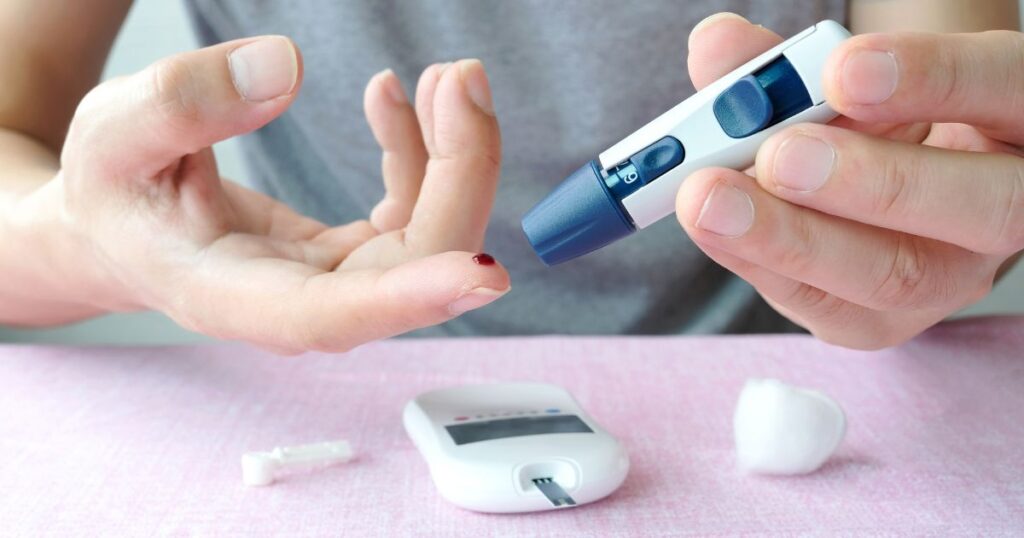
Many people with diabetes monitor their blood glucose using:
- Blood glucose meters
- Continuous glucose monitoring (CGM) systems
Monitoring helps guide treatment decisions and identify patterns in blood sugar levels.
Can Diabetes Be Prevented?
Type 1 diabetes cannot currently be prevented.
However, research shows that many cases of Type 2 diabetes can be delayed or prevented through healthy lifestyle habits. Helpful strategies include:
- Maintaining a healthy weight
- Exercising regularly
- Eating a balanced diet
- Avoiding tobacco
- Managing blood pressure
- Getting enough sleep
- Attending regular health check-ups
Even small lifestyle improvements can reduce diabetes risk.
Living Well With Diabetes
Many people with diabetes lead healthy, active lives. Successful management often includes:
- Taking medications as prescribed
- Monitoring blood sugar
- Eating nutritious meals
- Exercising regularly
- Managing stress
- Getting enough sleep
- Keeping regular healthcare appointments
- Caring for your feet and eyes
Education and support are also important parts of diabetes management.
Myths vs. Facts
| Myth | Fact |
|---|---|
| Eating sugar alone causes diabetes. | Diabetes develops through a combination of genetic, autoimmune, and lifestyle factors depending on the type. |
| People with diabetes can never eat carbohydrates. | Carbohydrates can be included in a balanced meal plan; portion size and food choices matter. |
| Only overweight people develop Type 2 diabetes. | Although excess weight increases risk, people of any weight can develop Type 2 diabetes. |
| Diabetes is not serious. | Without proper management, diabetes can lead to serious complications affecting many organs. |
| Insulin is only used when diabetes becomes severe. | People with Type 1 diabetes require insulin from diagnosis, and some people with Type 2 diabetes also benefit from insulin therapy. |
When Should You See a Doctor?
Seek medical evaluation if you experience:
- Persistent excessive thirst
- Frequent urination
- Unexplained weight loss
- Blurred vision
- Extreme fatigue
- Slow-healing wounds
- Recurrent infections
- Tingling or numbness in your hands or feet
Early diagnosis can help prevent complications and improve long-term outcomes.
Frequently Asked Questions
Is diabetes curable?
There is currently no cure for Type 1 diabetes or most cases of Type 2 diabetes. However, effective treatment and healthy lifestyle changes can help manage the condition.
What is the difference between Type 1 and Type 2 diabetes?
Type 1 diabetes occurs when the body produces little or no insulin because of an autoimmune process. Type 2 diabetes develops when the body becomes resistant to insulin or does not produce enough to meet its needs.
Can children develop diabetes?
Yes. Children can develop both Type 1 and Type 2 diabetes, although Type 1 is more common in childhood.
Conclusion
Diabetes is a lifelong condition that affects how the body regulates blood sugar. While it can lead to serious complications if left untreated, modern treatments and healthy lifestyle habits allow many people to manage diabetes successfully and live active, fulfilling lives.
Understanding the different types of diabetes, recognizing early symptoms, knowing your risk factors, and seeking timely medical care are important steps toward protecting your health. If you are at risk or notice possible symptoms, speak with a healthcare professional about appropriate testing and management options. Early action can make a significant difference in long-term health outcomes.
Recommended External References
Readers seeking more information can consult organizations such as:
- American Diabetes Association. (2025). Standards of Care in Diabetes—2025. Diabetes Care, 48(Supplement_1). https://diabetesjournals.org/care/issue/48/Supplement_1
- World Health Organization. (2025). Diabetes. https://www.who.int/news-room/fact-sheets/detail/diabetes
- Centers for Disease Control and Prevention. (2025). About Diabetes. https://www.cdc.gov/diabetes/about/index.html
- National Institute of Diabetes and Digestive and Kidney Diseases. (2024). Diabetes Overview. https://www.niddk.nih.gov/health-information/diabetes/overview/what-is-diabetes
- National Institutes of Health. (2024). Diabetes. https://medlineplus.gov/diabetes.html
- Mayo Clinic Staff. (2025). Diabetes: Symptoms and Causes. https://www.mayoclinic.org/diseases-conditions/diabetes/symptoms-causes/syc-20371444
- NHS. (2024). Diabetes. https://www.nhs.uk/conditions/diabetes/
Disclaimer
This article is intended for educational purposes only and should not replace professional medical advice, diagnosis, or treatment. Always consult a qualified healthcare professional regarding any medical concerns.
Reviewed and written by the HealthVineHub Medical Editorial Team
This article was prepared by an experienced medical content writer and reviewed using guidance from leading public health organizations, including the World Health Organization (WHO), the Centers for Disease Control and Prevention (CDC), and other reputable medical sources. Our editorial team is committed to producing accurate, evidence-based, reader-friendly health information that supports informed healthcare decisions.