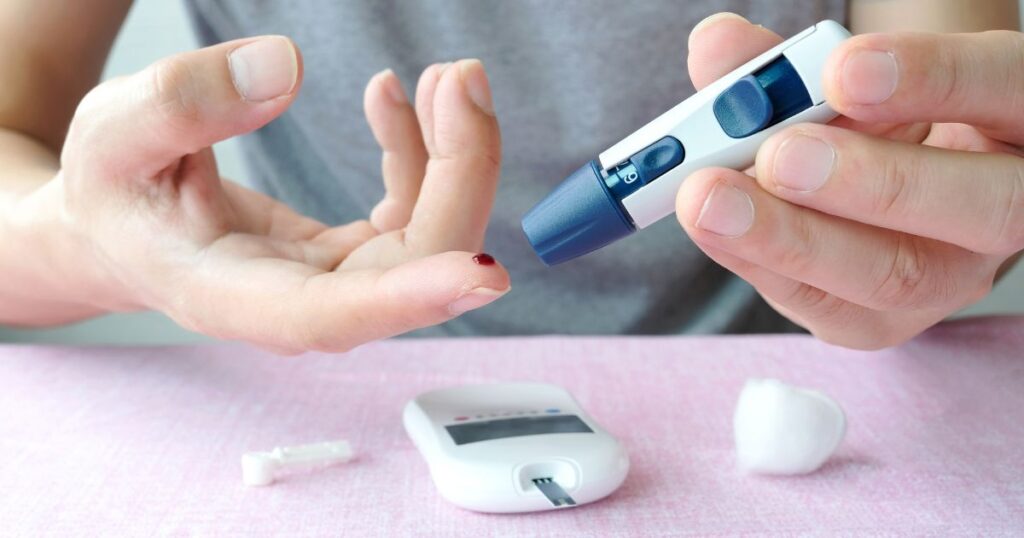
Insulin is one of the most important hormones in the human body. It plays a central role in controlling blood sugar and helping the body use and store energy from food. Every time you eat, your digestive system breaks down nutrients and sends them into the bloodstream. Insulin helps the body respond appropriately to these nutrients, particularly glucose.
Although insulin is often described simply as a hormone that “lowers blood sugar,” its role is much broader. It helps muscle cells take up glucose, encourages the liver to store glucose for later use, influences how the body stores fat, and supports normal protein metabolism.
When the body does not produce enough insulin or becomes less responsive to its effects, blood sugar can rise. Problems with insulin are closely associated with conditions such as type 1 diabetes, type 2 diabetes, and prediabetes.
Understanding how insulin works can make it easier to understand blood sugar regulation, insulin resistance, diabetes, nutrition, and metabolic health.
What Is Insulin?
Insulin is a hormone produced by specialized cells called beta cells, which are located in the pancreas.
Hormones are chemical messengers that allow different parts of the body to communicate. After insulin is released into the bloodstream, it travels to tissues that respond to its signals. Its major functions include:
- Helping cells take up glucose
- Helping the liver store glucose
- Reducing the amount of glucose released by the liver
- Supporting energy storage
- Influencing fat metabolism
- Supporting protein metabolism
Insulin therefore helps the body switch from a state of obtaining nutrients from food to a state of using and storing those nutrients.
Facts About Insulin
| Fact | Information |
|---|---|
| What is insulin? | A hormone that helps regulate blood sugar and energy metabolism |
| Where is insulin produced? | In beta cells of the pancreas |
| When is insulin released? | It is released continuously at low levels and increases when blood glucose and other nutrients rise |
| Main function | Helps the body use and store glucose while limiting excessive glucose production by the liver |
| Major target tissues | Liver, skeletal muscle, and fat tissue |
| What is insulin resistance? | A condition in which cells respond less effectively to insulin |
| What happens when insulin is insufficient? | Blood glucose can rise because the body cannot regulate glucose normally |
| Is insulin involved in fat metabolism? | Yes. Insulin influences how fat is stored and broken down |
Where Is Insulin Made?
Insulin is produced in the pancreas, an organ located behind the stomach.
The pancreas contains groups of specialized hormone-producing cells known as the islets of Langerhans. Different cells within these islets produce different hormones.
Two particularly important hormones are:
- Insulin, produced by beta cells
- Glucagon, produced by alpha cells
Insulin and glucagon have largely opposite effects on blood glucose. Insulin generally helps lower blood glucose and promotes nutrient storage, while glucagon helps increase the availability of glucose when the body needs more energy between meals.
What Happens to Insulin After You Eat?
The relationship between food, glucose, and insulin is a carefully coordinated process.
1. Food Is Digested
When you eat, your digestive system breaks food into smaller components.
Carbohydrates are broken down into simple sugars, including glucose. Proteins are broken down into amino acids, while fats are broken down into fatty acids and other components.
2. Glucose Enters the Bloodstream
Glucose produced from digestion is absorbed into the bloodstream. After a meal, blood glucose normally rises.
The body must respond to this increase so that glucose can be used by cells without blood sugar remaining excessively high.
3. The Pancreas Releases Insulin
As blood glucose and other nutrients rise, pancreatic beta cells respond by releasing insulin.
The amount of insulin released changes according to the body’s needs. A larger nutrient load generally produces a stronger insulin response.
4. Insulin Travels Through the Blood
Once released, insulin circulates through the bloodstream.
It reaches tissues throughout the body and attaches to specific receptors on cells. These receptors allow cells to respond to insulin’s message.
5. Cells Respond to Insulin
Insulin activates signals inside responsive cells.
In skeletal muscle and fat tissue, these signals help increase the movement of glucose transport proteins to the cell surface. This allows more glucose to enter the cells.
6. Glucose Is Used or Stored
Once glucose enters cells, it can be used to produce energy.
Some glucose can also be stored for later. The liver and muscles can store glucose in the form of glycogen.
At the same time, insulin signals the liver to reduce its release of glucose into the bloodstream. Together, these actions help bring blood glucose back toward its normal range.
How Insulin Works in the Liver
The liver plays a major role in maintaining blood glucose.
After a meal, insulin encourages the liver to store some of the available glucose as glycogen.
It also reduces the liver’s production and release of additional glucose.
This is important because glucose is already entering the bloodstream from the recent meal.
Between meals, insulin levels decrease. The liver can then release stored glucose and produce additional glucose when necessary.
This process helps maintain a steady supply of energy even when you have not eaten recently.
How Insulin Works in Muscles
Skeletal muscles are major users of glucose.
When insulin signals muscle cells, they become more capable of taking glucose from the bloodstream. The glucose can then be:
- Used to produce energy
- Stored as glycogen
- Used during physical activity
Muscle activity itself can also increase glucose uptake.
This means physical activity can help muscles use glucose through mechanisms that do not depend entirely on insulin. Regular physical activity can also improve the body’s sensitivity to insulin.
How Insulin Works in Fat Tissue
Insulin also acts on fat tissue.
It helps fat cells take up and store energy and reduces the breakdown of stored fat. After eating, the body generally shifts toward storing and using nutrients from the recent meal.
During periods without food, insulin levels fall and the body becomes more able to release stored energy. This changing balance helps the body switch between storing energy and making stored energy available.
Insulin and Glucagon
Insulin does not work alone. The pancreas also produces glucagon, another important hormone involved in blood sugar regulation.
The two hormones help maintain balance in different situations.
| Insulin | Glucagon |
|---|---|
| Generally lowers blood glucose | Generally raises blood glucose |
| Promotes glucose storage | Promotes release of stored glucose |
| More active after eating | More important between meals and during fasting |
| Reduces liver glucose production | Encourages the liver to release glucose |
Together, these hormones help keep blood glucose within an appropriate range.
What Is Insulin Resistance?
Insulin resistance occurs when the body’s cells become less responsive to insulin.
Normally, insulin sends a signal that tells cells to respond to available glucose. With insulin resistance, that signal does not produce the same response.
For example, muscle cells may not take up glucose as efficiently, while the liver may continue producing or releasing more glucose than necessary. The pancreas may initially compensate by producing more insulin.
Over time, however, this increased demand can become difficult to maintain. Blood glucose may then begin to rise.
Insulin resistance is strongly associated with prediabetes and type 2 diabetes.
What Can Increase the Risk of Insulin Resistance?
Insulin resistance is influenced by multiple factors. These can include:
- Genetics
- Physical inactivity
- Excess body fat, particularly around internal organs
- Increasing age
- Certain hormonal conditions
- Some medications
- Family history of type 2 diabetes
- Certain metabolic conditions
Insulin resistance is complex and cannot be explained by a single food, behavior, or physical characteristic.
How Exercise Affects Insulin
Physical activity has an important relationship with insulin and glucose regulation. When muscles contract during exercise, they need additional energy and can increase their uptake of glucose.
Regular physical activity can also improve insulin sensitivity, meaning the body can respond more effectively to insulin. Activities such as walking, cycling, swimming, sports, and resistance training can all contribute to overall metabolic health when performed appropriately.
What Happens When There Is Too Little Insulin?
If the body does not produce enough insulin or cannot use insulin effectively, blood glucose can become elevated. This may happen because:
- Cells cannot take up glucose efficiently.
- The liver continues releasing glucose.
- The body cannot store nutrients normally.
- Glucose remains in the bloodstream.
Persistently high blood glucose can eventually damage blood vessels and organs.
Possible complications of poorly controlled diabetes include problems affecting the:
- Eyes
- Kidneys
- Nerves
- Heart
- Blood vessels
What Happens When There Is Too Much Insulin?
Because insulin lowers blood glucose, having more insulin than the body needs can cause blood sugar to fall too low.
This is called hypoglycemia. Possible symptoms include:
- Shaking
- Sweating
- Hunger
- Weakness
- Dizziness
- Confusion
- Fast heartbeat
- Difficulty concentrating
Severe hypoglycemia can be dangerous.
It is particularly important for people who use insulin or certain diabetes medications to understand how to prevent and manage low blood glucose according to their healthcare professional’s instructions.
Insulin as a Medicine
Insulin is also an important medication used to treat diabetes. People with type 1 diabetes need insulin because their bodies cannot produce enough of the hormone.
Some people with type 2 diabetes may also eventually require insulin if their pancreas cannot produce enough insulin to maintain appropriate blood glucose levels. Different types of insulin work at different speeds and for different lengths of time.
The type and dose of insulin should be determined by a qualified healthcare professional.
Never start, stop, or change insulin treatment without medical guidance.
Myth vs. Fact
| Myth | Fact |
|---|---|
| Insulin only controls blood sugar. | Insulin also affects the metabolism and storage of carbohydrates, fats, and proteins. |
| Insulin is produced by the liver. | Insulin is produced by beta cells in the pancreas. |
| Insulin is released only after eating. | The body maintains insulin production between meals, with levels generally increasing when nutrients rise. |
| Insulin resistance means there is no insulin in the body. | Insulin resistance means the body’s tissues respond less effectively to insulin. |
| Everyone with diabetes needs insulin injections. | People with type 1 diabetes require insulin, while treatment for type 2 diabetes varies. |
| Eating sugar causes type 1 diabetes. | Type 1 diabetes is an autoimmune condition involving destruction of insulin-producing beta cells. |
| Exercise only burns calories. | Physical activity also affects glucose uptake and can improve insulin sensitivity. |
| A high insulin level automatically means someone has diabetes. | Insulin levels must be interpreted alongside blood glucose and other clinical information. |
Frequently Asked Questions
What is the main function of insulin?
Insulin helps regulate blood glucose by encouraging glucose uptake and storage while reducing excessive glucose production by the liver.
What is insulin resistance?
Insulin resistance occurs when cells respond less effectively to insulin. The pancreas may initially produce more insulin to compensate, but this may eventually become insufficient to maintain normal blood glucose.
Does exercise improve insulin sensitivity?
Yes. Regular physical activity can improve the body’s response to insulin and increase glucose uptake by working muscles.
Why do people with type 1 diabetes need insulin?
Type 1 diabetes destroys the pancreatic beta cells that produce insulin. Insulin replacement is therefore necessary to regulate blood glucose.
Can insulin cause low blood sugar?
Yes. Too much insulin relative to the body’s needs can cause hypoglycemia, or low blood glucose.
Conclusion
Insulin is a vital hormone that helps the body manage glucose and use energy efficiently. Produced by beta cells in the pancreas, insulin responds to changes in nutrients and helps coordinate what happens to glucose after eating.
It signals muscle and fat cells to take up glucose, encourages the liver to store glucose, and reduces unnecessary glucose production by the liver. Insulin also influences how the body stores and uses fat and protein.
The hormone works closely with glucagon to maintain blood glucose between meals and during periods of fasting.
When insulin production is severely impaired, as in type 1 diabetes, insulin replacement is essential. When the body becomes less responsive to insulin, insulin resistance can develop and contribute to prediabetes and type 2 diabetes.
Understanding insulin is therefore an important step toward understanding blood sugar regulation, diabetes, nutrition, physical activity, and metabolic health. If you are concerned about your blood glucose or insulin levels, speak with a qualified healthcare professional for appropriate testing and advice.
Recommended External References
Readers seeking additional information can consult:
- National Institute of Diabetes and Digestive and Kidney Diseases (NIDDK)
- Centers for Disease Control and Prevention (CDC) – Diabetes
- American Diabetes Association (ADA)
- National Institutes of Health (NIH)
- World Health Organization (WHO) – Diabetes
- NHS – Diabetes
Disclaimer
This article is for educational purposes only and should not replace professional medical advice, diagnosis, or treatment. Information about insulin, blood glucose, diabetes, and insulin resistance should be interpreted in the context of an individual’s health history and medical test results. If you have concerns about your blood sugar, insulin levels, or risk of diabetes, consult a qualified healthcare professional. Never start, stop, or change insulin or other diabetes medication without appropriate medical guidance.
Reviewed and Written by the HealthVineHub Medical Editorial Team
This article was prepared by an experienced medical content writer and reviewed using current medical and scientific information from reputable health organizations and medical literature. Our editorial team is committed to producing accurate, evidence-based, reader-friendly health information that supports informed healthcare decisions.