Vitamin B Complex is essential for maintaining energy production, brain function, nerve health, and red blood cell formation. Unlike fat-soluble vitamins that can be stored for long periods, most B vitamins are water-soluble, meaning the body requires a regular supply from foods rich in vitamin b complex.
Fortunately, Vitamin B Complex is widely distributed throughout the food supply. Animal products, whole grains, legumes, leafy green vegetables, nuts, and seeds all contribute varying amounts of the eight B vitamins. Eating a diverse, nutrient-rich diet is usually the most effective way to maintain healthy levels of these essential nutrients. The eight B vitamins include:
- Vitamin B1 (Thiamine)
- Vitamin B2 (Riboflavin)
- Vitamin B3 (Niacin)
- Vitamin B5 (Pantothenic Acid)
- Vitamin B6 (Pyridoxine)
- Vitamin B7 (Biotin)
- Vitamin B9 (Folate)
- Vitamin B12 (Cobalamin)
No single food contains large amounts of all eight B vitamins, but some foods provide an impressive combination of several.
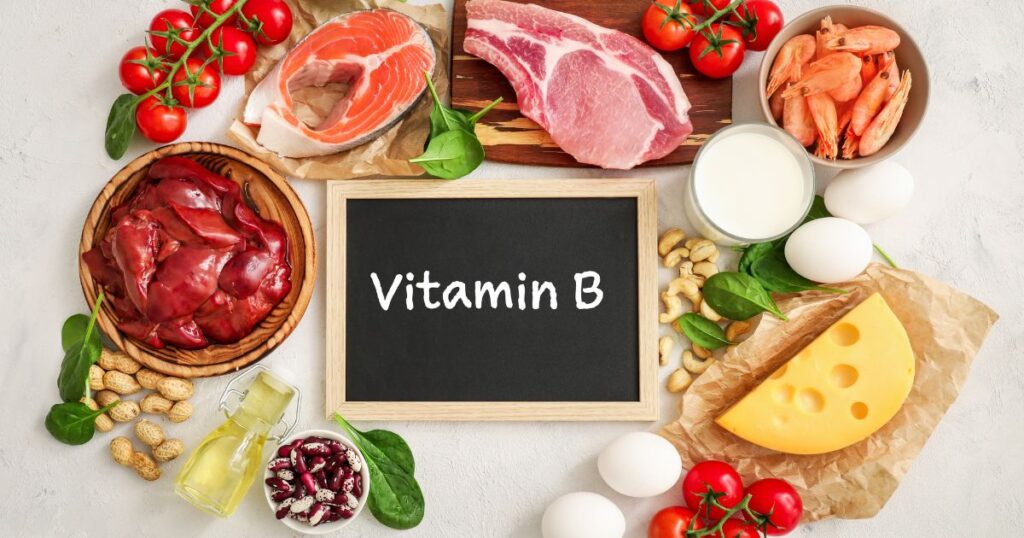
Todays article, highlights 25 of the best foods rich in Vitamin B Complex and explains how they support our overall health.
Foods Rich in Vitamin B Complex
According to healthline, Many foods are high in B vitamins, including certain types of meat, fish, and poultry, legumes, seeds, eggs, dairy products, and leafy greens. Below are 25 best foods rich in Vitamin B Complex.
1. Eggs
Eggs are among the most nutritious foods available. They provide:
- Vitamin B2
- Vitamin B5
- Vitamin B7 (Biotin)
- Vitamin B12
Eggs are particularly well known for their biotin content and make an excellent addition to a balanced diet.
2. Salmon
Salmon provides:
- Vitamin B3
- Vitamin B6
- Vitamin B12
It also contains omega-3 fatty acids, making it an excellent food for brain and heart health.
3. Chicken
Chicken is a rich source of:
- Vitamin B3
- Vitamin B5
- Vitamin B6
It is one of the best lean protein sources for supporting healthy B vitamin intake.
4. Lean Beef
Lean beef contains:
- Vitamin B3
- Vitamin B6
- Vitamin B12
It is especially valuable for people at risk of Vitamin B12 deficiency.
5. Liver
Liver is one of the most nutrient-dense foods available. It contains:
- Vitamin B2
- Vitamin B3
- Vitamin B5
- Vitamin B7
- Vitamin B9
- Vitamin B12
Because of its exceptionally high nutrient content, liver is often considered a nutritional powerhouse.
6. Milk
Milk provides:
- Vitamin B2
- Vitamin B12
It also supplies calcium and protein.
7. Yogurt
Yogurt contains:
- Vitamin B2
- Vitamin B12
It additionally provides probiotics that support digestive health.
8. Cheese
Cheese contributes:
- Vitamin B2
- Vitamin B12
Different varieties provide varying amounts.
9. Tuna
Tuna is rich in:
- Vitamin B3
- Vitamin B6
- Vitamin B12
It is another excellent seafood option for supporting nerve and brain health.
10. Sardines
Sardines contain:
- Vitamin B3
- Vitamin B12
They are also rich in calcium and omega-3 fatty acids.
11. Whole Grains
Examples include:
- Brown rice
- Oats
- Whole wheat
- Quinoa
They provide:
- Vitamin B1
- Vitamin B3
- Vitamin B5
12. Lentils
Lentils are rich in:
- Folate (Vitamin B9)
- Vitamin B1
They are an excellent plant-based option for supporting healthy pregnancy and red blood cell production.
13. Black Beans
Black beans provide:
- Vitamin B1
- Folate
They are affordable, versatile, and nutrient-dense.
14. Chickpeas
Chickpeas contain:
- Vitamin B6
- Folate
They are commonly used in hummus and salads.
15. Spinach
Spinach is an excellent source of:
- Folate
- Vitamin B6
Leafy greens are particularly important for maintaining healthy folate levels.
16. Kale
Kale provides:
- Folate
- Small amounts of several other B vitamins
It is one of the most nutrient-rich leafy vegetables available.
17. Avocados
Avocados contain:
- Vitamin B5
- Folate
- Vitamin B6
They also provide healthy fats that support overall health.
18. Bananas
Bananas are known for their Vitamin B6 content. They make a convenient snack and contribute to healthy energy metabolism.
19. Almonds
Almonds provide:
- Vitamin B2
- Small amounts of other B vitamins
They are also rich in healthy fats and magnesium.
20. Sunflower Seeds
Sunflower seeds are rich in:
- Vitamin B1
- Vitamin B6
- Folate
21. Mushrooms
Mushrooms provide:
- Vitamin B2
- Vitamin B3
- Vitamin B5
They are one of the best plant-based sources of several B vitamins.
22. Potatoes
Potatoes contain:
- Vitamin B6
They are often overlooked as a source of essential nutrients.
23. Fortified Breakfast Cereals
Many cereals are fortified with:
- Vitamin B1
- Vitamin B2
- Vitamin B3
- Folate
- Vitamin B12
Always check the nutrition label for specific amounts.
24. Nutritional Yeast
Nutritional yeast is particularly popular among vegetarians and vegans. It is often fortified with:
- Vitamin B12
- Vitamin B1
- Vitamin B2
- Vitamin B6
25. Shellfish
Examples include:
- Clams
- Oysters
- Mussels
These foods are particularly rich in:
- Vitamin B12
- Vitamin B2
Which Food Contains All the B Vitamins?
No single food naturally contains all eight B vitamins in significant amounts. However, foods that provide multiple B vitamins include:
- Liver
- Eggs
- Salmon
- Lean beef
- Fortified cereals
- Nutritional yeast
Eating a varied diet is the best strategy for obtaining all eight B vitamins.
Frequently Asked Questions
Which fruit contains Vitamin B Complex?
Bananas, avocados, and citrus fruits contain certain B vitamins, particularly Vitamin B6 and folate.
What is the best food for energy?
Foods rich in B vitamins and protein, such as eggs, salmon, whole grains, and legumes, support healthy energy metabolism.
Key Takeaways
- Vitamin B Complex consists of eight essential vitamins.
- Excellent sources include eggs, salmon, liver, whole grains, lentils, spinach, and dairy products.
- Vitamin B12 is found primarily in animal-based foods.
- Folate is abundant in leafy greens and legumes.
- A varied diet remains the best way to obtain all eight B vitamins.
Conclusion
Vitamin B Complex plays a central role in maintaining energy production, brain health, nerve function, and overall wellness. Fortunately, many nutritious foods provide these essential nutrients, making it possible for most people to meet their needs through a balanced diet.
By regularly including a variety of whole foods—especially lean proteins, legumes, whole grains, dairy products, and leafy greens—you can help ensure an adequate intake of all eight B vitamins and support your health throughout every stage of life.
Disclaimer
This information is for educational purposes only and should not replace professional medical advice. Always consult a qualified healthcare professional before starting any supplement or treatment, especially during pregnancy, illness, or at any given time.