Vitamin B Complex deficiency is more common than many people realize. Because the B vitamins are involved in energy production, brain function, nerve health, and red blood cell formation, a deficiency can affect multiple systems throughout the body. In some cases, symptoms develop gradually over months or years, making them easy to overlook or attribute to stress, aging, or a busy lifestyle.
Unlike fat-soluble vitamins that can be stored in significant amounts, most B vitamins are water-soluble and require regular replenishment through food or supplements when appropriate. Deficiency may occur due to inadequate dietary intake, poor absorption, certain medications, or increased nutritional requirements.
Because each vitamin performs different functions, deficiency symptoms vary considerably. However, there are several warning signs that should not be ignored.

Common Signs and Symptoms of Vitamin B Complex Deficiency
People with one or more B vitamin deficiencies may experience:
- Fatigue
- Weakness
- Poor concentration
- Brain fog
- Tingling or numbness
- Pale skin
- Hair thinning
- Mouth ulcers
- Cracked lips
- Mood changes
- Reduced appetite
- Difficulty remembering things
Not everyone experiences all of these symptoms, and some deficiencies may remain undiagnosed for long periods.
Symptoms by Individual B Vitamin
Vitamin B1 (Thiamine) Deficiency
Possible symptoms include:
- Fatigue
- Muscle weakness
- Irritability
- Poor memory
- Nerve problems
Severe deficiency may lead to beriberi, although this is uncommon in many parts of the world.
Vitamin B2 (Riboflavin) Deficiency
Symptoms may include:
- Cracked lips
- Sore throat
- Dry skin
- Mouth inflammation
- Red or irritated eyes
Vitamin B3 (Niacin) Deficiency
Low niacin levels may cause:
- Fatigue
- Skin changes
- Digestive problems
- Mental confusion
Severe deficiency can result in pellagra.
Vitamin B5 (Pantothenic Acid) Deficiency
This deficiency is rare but may cause:
- Fatigue
- Headaches
- Irritability
- Tingling sensations
Vitamin B6 (Pyridoxine) Deficiency
Possible symptoms include:
- Anemia
- Mood changes
- Skin rashes
- Mouth sores
- Weakened immunity
Vitamin B7 (Biotin) Deficiency
Biotin deficiency may present with:
- Hair thinning
- Brittle nails
- Skin rashes
- Fatigue
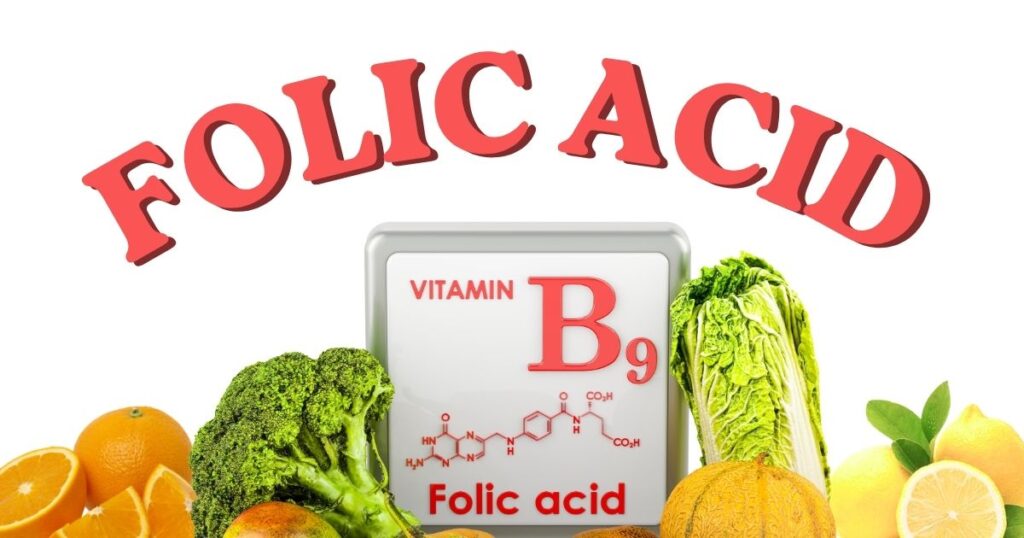
Vitamin B9 (Folate) Deficiency
Common symptoms include:
- Fatigue
- Weakness
- Megaloblastic anemia
- Shortness of breath
Folate deficiency is particularly important during pregnancy.
Vitamin B12 (Cobalamin) Deficiency
Vitamin B12 deficiency may cause:
- Fatigue
- Numbness or tingling
- Memory problems
- Difficulty walking
- Balance problems
- Megaloblastic anemia
Long-term B12 deficiency can lead to permanent nerve damage if left untreated.
What Causes Vitamin B Complex Deficiency?
Poor Diet
People who consume highly processed diets or very limited food choices may not obtain enough B vitamins.
Digestive Disorders
Conditions affecting nutrient absorption include:
- Crohn’s disease
- Celiac disease
- Inflammatory bowel disease
Aging
Older adults may absorb Vitamin B12 less efficiently.
Medications
Some medications may affect B vitamin levels, including:
- Metformin
- Proton pump inhibitors
- Methotrexate
- Certain anti-seizure medications
Alcohol Abuse
Excessive alcohol intake may interfere with the absorption and utilization of several B vitamins.
Pregnancy
Pregnant women have increased requirements for certain B vitamins, especially folate.
How Is Vitamin B Deficiency Diagnosed?
Diagnosis typically involves:
- Medical history
- Physical examination
- Blood tests
Common laboratory tests include:
- Complete Blood Count (CBC)
- Vitamin B12 levels
- Folate levels
- Iron studies
- Additional testing when clinically appropriate
How Is Vitamin B Complex Deficiency Treated?
Treatment generally involves one or more of the following:
Dietary Changes
Many mild deficiencies can be improved by increasing intake of B vitamin-rich foods. Examples include:
- Eggs
- Fish
- Lean meats
- Dairy products
- Whole grains
- Beans
- Lentils
- Leafy green vegetables
- Nuts and seeds
For many people, improving dietary quality is the first step toward restoring healthy vitamin levels.
Vitamin B Complex Supplements
Healthcare professionals may recommend:
- Vitamin B Complex supplements
- Individual B vitamin supplements
- Prescription-strength supplements when appropriate
The type of supplement depends on the specific deficiency.
How Can You Prevent Vitamin B Deficiency?
Eat a Balanced Diet
Aim to include:
- Protein-rich foods
- Whole grains
- Fruits and vegetables
- Dairy products
- Legumes
- Nuts and seeds
Consider Fortified Foods
Fortified foods can help increase intake of certain B vitamins, particularly:
- Vitamin B12
- Folate
- Thiamine
- Riboflavin
Address Underlying Medical Conditions
Digestive disorders and medication use may affect nutrient absorption.
Managing these conditions appropriately may reduce the risk of deficiency.
Routine Medical Follow-Up
People at higher risk—including older adults and individuals with chronic illnesses—may benefit from periodic nutritional assessment.
Frequently Asked Questions
What is the most common Vitamin B deficiency?
Vitamin B12 deficiency is among the most commonly recognized deficiencies, particularly in older adults and people following vegan diets.
Can Vitamin B deficiency affect memory?
Vitamin B12 deficiency, in particular, may affect memory and cognitive function.
Can Vitamin B deficiency cause tingling in the hands and feet?
Yes. Vitamin B12 deficiency can cause numbness and tingling due to its effects on nerve health.
Can I treat Vitamin B deficiency myself?
It is best to seek medical advice before starting treatment, particularly if symptoms are severe or persistent.
Conclusion
Vitamin B Complex deficiencies can affect many aspects of health, including energy levels, nerve function, cognitive performance, and red blood cell production. Because symptoms often develop gradually, deficiencies may go unnoticed until they begin interfering with daily life.
According to healthdirect, Vitamin B deficiency happens when your body doesn’t get enough vitamin B. This may happen if you don’t eat enough foods containing vitamin B or because of a health condition. Your body needs a certain amount of each type of vitamin to function well. The different types of vitamin B are all water-soluble (dissolve in water). This means that they mostly cannot be stored in the body and must be eaten regularly to avoid deficiency.
Fortunately, most deficiencies can be effectively managed through a combination of dietary improvements, supplementation when appropriate, and treatment of underlying medical conditions. Early diagnosis is particularly important for Vitamin B12 deficiency, where delayed treatment may increase the risk of long-term neurological complications.
If you suspect a Vitamin B deficiency, seek evaluation from a qualified healthcare professional. Timely intervention can make a significant difference in recovery and long-term health outcomes.
Disclaimer
This information is for educational purposes only and should not replace professional medical advice. Always consult a qualified healthcare professional before starting any supplement or treatment, especially during pregnancy, illness, or at any given time.