Irregular periods are a common menstrual health concern. A menstrual cycle can naturally vary from person to person, but changes in the usual timing, duration, or amount of menstrual bleeding may sometimes indicate an underlying health issue.
Some people may have periods that arrive earlier or later than expected, while others may experience skipped periods, unusually heavy or light bleeding, or bleeding between periods. Irregular periods are particularly common when menstruation first begins during puberty and during the transition toward menopause.
Many factors can affect the menstrual cycle, including hormonal changes, pregnancy, stress, significant changes in body weight, excessive exercise, hormonal contraception, thyroid disorders, and conditions such as polycystic ovary syndrome (PCOS).
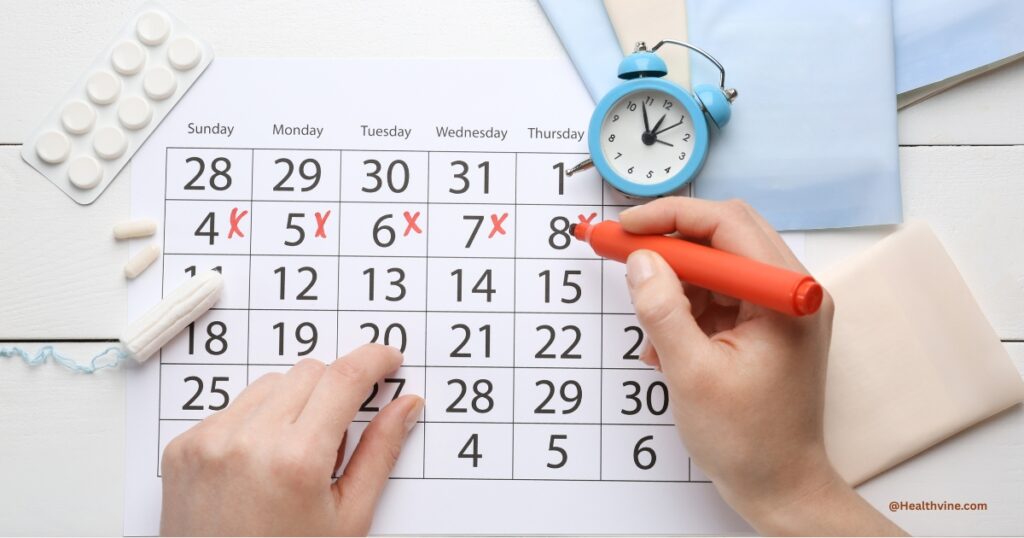
Occasional changes in your cycle are not necessarily a sign of a serious problem. However, persistent or significant changes should be evaluated, particularly when they are accompanied by heavy bleeding, severe pain, unusual discharge, dizziness, or difficulty becoming pregnant.
This guide explains what irregular periods are, what causes them, common symptoms, how to track your cycle, and when medical attention is necessary.
What Are Irregular Periods?
Irregular periods occur when the timing, frequency, duration, or amount of menstrual bleeding differs significantly from your usual pattern.
A menstrual cycle is counted from the first day of one period to the first day of the next period.
For many adults, menstrual cycles commonly occur roughly every 21 to 35 days, although individual patterns can vary. Irregular periods may include:
- Periods that come earlier than expected
- Periods that arrive later than expected
- Skipped periods
- Periods occurring very frequently
- Periods that last unusually long
- Very heavy or unusually light bleeding
- Bleeding or spotting between periods
- Changes in your usual menstrual pattern
What is normal can also depend on age. Menstrual cycles may be less predictable during the first few years after menstruation begins and during perimenopause.
Facts About Irregular Periods
| Fact | Information |
|---|---|
| What are irregular periods? | Menstrual periods that vary significantly from a person’s usual pattern |
| What is a typical adult cycle? | Many adult cycles occur approximately every 21–35 days |
| How long does a typical period last? | Usually up to about 7 days |
| Common causes | Hormonal changes, pregnancy, stress, weight changes, excessive exercise, contraception, and certain medical conditions |
| Can puberty cause irregular periods? | Yes. Cycles may take time to become regular after menstruation begins |
| Can perimenopause cause irregular periods? | Yes. Hormonal changes before menopause commonly affect menstrual patterns |
| Can irregular periods affect fertility? | They can, particularly when irregular ovulation is involved |
| Is treatment always necessary? | No. Treatment depends on the cause and whether symptoms are affecting health or quality of life |
| When should you see a doctor? | Persistent changes, very heavy bleeding, bleeding between periods, severe pain, or other concerning symptoms should be evaluated |
What Does a Normal Menstrual Cycle Look Like?
The menstrual cycle is a series of hormonal and physical changes that prepare the body for a possible pregnancy.
A cycle includes several stages:
Menstruation
Menstruation is the period when the uterus sheds its lining, resulting in vaginal bleeding.
Follicular Phase
During this stage, follicles in the ovaries develop, and the uterine lining begins preparing for a possible pregnancy.
Ovulation
Ovulation occurs when an ovary releases an egg. The timing of ovulation varies between individuals and from cycle to cycle.
Luteal Phase
After ovulation, hormonal changes prepare the uterus for a possible pregnancy.
If pregnancy does not occur, hormone levels fall and menstruation begins again. Because this process depends on coordinated hormonal changes, disruptions to hormone levels can affect the timing and characteristics of menstrual periods.
Causes of Irregular Periods
Irregular periods can have many causes.
1. Puberty
When periods first begin, the reproductive system is still developing.
It can take several years for menstrual cycles to settle into a more predictable pattern. Irregular periods during the early years of menstruation are therefore relatively common.
2. Perimenopause
Perimenopause is the transition leading up to menopause.
During this period, reproductive hormones fluctuate and ovulation becomes less predictable. As a result, periods may become:
- Shorter
- Longer
- Heavier
- Lighter
- More frequent
- Less frequent
- Occasionally absent
3. Pregnancy
Pregnancy is an important possible cause of a missed period. If someone who can become pregnant experiences an unexpected missed period, pregnancy should be considered.
4. Stress
Physical or emotional stress can affect the hormones responsible for regulating the menstrual cycle. Periods may become delayed, irregular, or occasionally stop during periods of significant stress.
5. Major Weight Changes
Significant weight loss or weight gain can affect reproductive hormone function. Very low energy availability can also interfere with ovulation and menstrual cycles.
6. Excessive Exercise
Very intense or frequent exercise, particularly when combined with inadequate energy intake, can interfere with normal reproductive hormone function. This can result in irregular or absent periods.
7. Hormonal Contraception
Some forms of hormonal contraception can change menstrual bleeding. Depending on the method, periods may become:
- Lighter
- Less frequent
- Irregular
- Longer
- Completely absent
These changes may be expected with certain contraceptive methods.
8. Polycystic Ovary Syndrome (PCOS)
Polycystic ovary syndrome, commonly called PCOS, is a hormonal condition that can affect ovulation and menstrual cycles. People with PCOS may experience:
- Irregular periods
- Infrequent periods
- Acne
- Increased facial or body hair
- Difficulty becoming pregnant
- Changes in body weight
Not everyone with PCOS experiences the same symptoms.
9. Thyroid Problems
The thyroid gland produces hormones that influence many processes throughout the body.
Both an underactive thyroid and an overactive thyroid can affect menstrual cycles. Other symptoms may include changes in energy, body temperature, heart rate, hair, skin, or body weight.
10. High Prolactin Levels
Prolactin is a hormone involved in breast milk production.
Abnormally high prolactin levels can interfere with reproductive hormones and may cause irregular or absent periods.
11. Certain Medicines
Some medicines can affect menstrual patterns. If your periods become irregular after starting a medication, discuss the change with a healthcare professional rather than stopping the medicine on your own.
12. Breastfeeding
Breastfeeding can temporarily change menstrual patterns. Some people may experience delayed or absent periods while breastfeeding, although the timing varies considerably.
13. Uterine Fibroids and Polyps
Fibroids are noncancerous growths that can develop in or around the uterus. Uterine polyps are growths arising from the lining of the uterus. Both can contribute to abnormal bleeding in some people.
14. Endometriosis and Other Conditions
Conditions affecting the reproductive organs can sometimes alter menstrual symptoms. Endometriosis, adenomyosis, pelvic infections, and other gynecological conditions may cause abnormal bleeding, pain, or changes in menstrual patterns.
Symptoms of Irregular Periods
The main symptom is a noticeable change in your usual menstrual pattern. You may experience:
- Periods that come too early
- Periods that come too late
- Missed periods
- Bleeding between periods
- Bleeding after sexual activity
- Periods lasting longer than usual
- Very heavy bleeding
- Very light bleeding
- Unpredictable menstrual cycles
- Changes in period-related pain
Other symptoms may provide clues about the underlying cause.
For example, irregular periods accompanied by acne and increased facial hair may occur with hormonal conditions such as PCOS. Irregular periods accompanied by tiredness, changes in body weight, or sensitivity to cold or heat may suggest a thyroid problem.
What Is Considered an Irregular Period?
There is no single definition that applies perfectly to every person.
For many adults, cycles occurring less than 21 days apart or more than 35 days apart may be considered irregular. Significant variation from one cycle to another can also be a sign of irregular menstruation.
For teenagers and people who have recently started menstruating, cycle lengths can naturally be more variable. The most important consideration is often a significant change from your usual menstrual pattern.
How Are Irregular Periods Diagnosed?
A healthcare professional will usually begin by asking about:
- Your menstrual history
- When the changes began
- How frequently you have periods
- How long your periods last
- How heavy the bleeding is
- Whether you experience pain
- Medications and contraception
- Pregnancy possibility
- Stress levels
- Exercise
- Changes in body weight
- Other symptoms
- Relevant family history
You may be asked to keep a menstrual diary or use a period-tracking app.
Depending on your symptoms, a healthcare professional may recommend:
- Pregnancy testing
- Blood tests
- Hormone testing
- Thyroid testing
- Pelvic examination
- Ultrasound
- Other investigations
The appropriate tests depend on your age, symptoms, medical history, and suspected cause.
Keeping Track of Your Period
Tracking your menstrual cycle can help you understand what is normal for you.
Record:
- The first day of each period
- The last day of bleeding
- How heavy the bleeding is
- Spotting between periods
- Pain
- Other symptoms
- Medications or contraception
- Significant changes in stress, exercise, or health
Over several months, this information can reveal patterns that may otherwise be difficult to remember.
How Are Irregular Periods Treated?
Treatment depends on the underlying cause.
Some people do not need treatment if irregular periods are temporary and there is no underlying health problem. When treatment is necessary, options may include:
- Hormonal treatment
- Treatment for thyroid disorders
- Treatment for PCOS
- Management of anemia
- Adjustments to medications when appropriate
- Treatment of uterine conditions
- Lifestyle changes
- Fertility treatment when pregnancy is desired
The goal is to treat the cause rather than simply treating the menstrual pattern.
Lifestyle Habits That May Support Menstrual Health
Healthy lifestyle habits can support overall reproductive health.
Eat a Balanced Diet
A varied diet provides the energy and nutrients needed for normal body function. Include:
- Vegetables
- Fruits
- Whole grains
- Beans
- Lentils
- Nuts
- Seeds
- Healthy sources of protein
- Sources of iron
- Calcium-rich foods
Avoid extreme dieting or severe restriction.
Maintain Regular Physical Activity
Regular physical activity supports cardiovascular health, metabolic health, mood, and general well-being. However, excessive exercise combined with inadequate nutrition can interfere with menstrual function.
Balance is important.
Manage Stress
Stress management can be helpful when psychological stress is contributing to menstrual changes. Useful approaches include:
- Adequate sleep
- Relaxation exercises
- Walking
- Hobbies
- Spending time with supportive people
- Talking to a trusted adult or healthcare professional when appropriate
Get Enough Sleep
Poor sleep can affect many aspects of health, including hormone regulation and stress. Aim for a consistent sleep schedule and a comfortable sleeping environment.
Can Irregular Periods Be Prevented?
Not every cause of irregular periods can be prevented. For example, puberty and perimenopause are natural stages of life.
However, maintaining healthy habits can support overall menstrual health. Helpful measures include:
- Eating a balanced diet
- Avoiding extreme dieting
- Maintaining appropriate physical activity
- Getting adequate sleep
- Managing stress
- Avoiding smoking
- Monitoring chronic health conditions
- Attending appropriate medical checkups
When Should You See a Doctor?
Speak with a healthcare professional if:
- Your previously regular periods suddenly become irregular.
- Your periods repeatedly occur less than 21 days apart.
- Your periods repeatedly occur more than 35 days apart.
- You miss several periods.
- Your periods last longer than 7 days.
- You experience bleeding between periods.
- You bleed after sexual activity.
- Your periods become significantly heavier.
- You have severe or worsening period pain.
- You are having difficulty becoming pregnant.
- Irregular periods occur with unusual hair growth, significant acne, or major weight changes.
- You have other symptoms suggesting a hormonal or thyroid problem.
Persistent changes deserve attention even when the bleeding itself is not severe.
Myth vs. Fact
| Myth | Fact |
|---|---|
| Everyone must have a period exactly every 28 days. | Menstrual cycles vary between individuals, and many healthy adult cycles fall within a broader range. |
| Irregular periods always mean something is seriously wrong. | Irregular periods can occur during puberty, perimenopause, stress, and other normal or temporary situations. |
| Missing one period always means pregnancy. | Pregnancy is one possibility, but stress, hormonal changes, weight changes, exercise, contraception, and medical conditions can also cause missed periods. |
| Irregular periods mean you cannot get pregnant. | Pregnancy can still occur, although irregular ovulation may make conception more difficult. |
| Stress cannot affect your menstrual cycle. | Significant stress can interfere with the hormones that regulate menstruation. |
| Heavy periods are just something you have to live with. | Very heavy bleeding can have an underlying cause and may require medical evaluation and treatment. |
| Irregular periods are only a problem during menopause. | They can occur at many stages of life, including puberty and reproductive years. |
| You should stop exercising if your periods become irregular. | Regular moderate physical activity can support health, but excessive exercise combined with inadequate nutrition may affect menstrual function. |
| You can always diagnose the cause from your symptoms alone. | Several different conditions can cause similar menstrual changes, so medical evaluation may sometimes be necessary. |
Frequently Asked Questions
What causes irregular periods?
Common causes include puberty, perimenopause, pregnancy, stress, significant weight changes, excessive exercise, hormonal contraception, PCOS, thyroid problems, breastfeeding, and certain medical conditions.
How many days between periods is normal?
For many adults, menstrual cycles occur approximately every 21 to 35 days. Individual patterns can vary, and age also affects what is considered typical.
Is it normal to have irregular periods?
Occasional changes can happen, particularly during puberty or perimenopause. However, persistent or significant changes from your usual pattern should be discussed with a healthcare professional.
Can PCOS cause irregular periods?
Yes. PCOS can interfere with regular ovulation and is a common cause of irregular or infrequent periods.
When should irregular periods be taken seriously?
Seek medical advice if irregular periods persist, suddenly change after previously being regular, become very heavy, last longer than usual, occur with severe pain, or are accompanied by other concerning symptoms.
How can I track irregular periods?
Record the first and last day of each period, bleeding intensity, spotting, pain, and other symptoms using a calendar, diary, or period-tracking app.
Conclusion
Irregular periods are common and can occur for many different reasons. Menstrual cycles naturally vary between individuals, and changes are particularly common during puberty and the transition toward menopause.
However, irregular periods can also be associated with pregnancy, stress, significant changes in body weight, excessive exercise, hormonal contraception, PCOS, thyroid disorders, and other health conditions.
Understanding your normal menstrual pattern is one of the best ways to recognize when something has changed. Tracking your periods over several months can help identify patterns and provide useful information for a healthcare professional.
Treatment is not always necessary. When treatment is needed, the best approach depends on the underlying cause. Addressing hormonal disorders, thyroid problems, PCOS, medication effects, or other medical conditions may help restore a more predictable cycle.
Very heavy bleeding, persistent irregularity, bleeding between periods, bleeding after sexual activity, severe pain, or difficulty becoming pregnant should not be ignored.
If your menstrual pattern has changed significantly or you are concerned about your periods, speaking with a qualified healthcare professional can help determine the cause and identify the most appropriate treatment.
Recommended External References
Readers seeking additional information can consult:
- American College of Obstetricians and Gynecologists (ACOG). Abnormal Uterine Bleeding.
https://www.acog.org/womens-health/faqs/abnormal-uterine-bleeding - MedlinePlus. Menstruation.
https://medlineplus.gov/menstruation.html - National Health Service (NHS). Menopause and Perimenopause.
https://www.nhs.uk/conditions/menopause-and-perimenopause/
Disclaimer
This article is for educational purposes only and should not replace professional medical advice, diagnosis, or treatment. Irregular periods can have many different causes, ranging from normal hormonal changes to medical conditions that require treatment. If your periods become persistently irregular, unusually heavy, very painful, or are accompanied by bleeding between periods, dizziness, severe weakness, or other concerning symptoms, consult a qualified healthcare professional for appropriate evaluation.
Reviewed and Written by the HealthVineHub Medical Editorial Team
This article was prepared by an experienced medical content writer and reviewed using current medical and scientific information from reputable women’s health organizations and clinical resources. Our editorial team is committed to producing accurate, evidence-based, reader-friendly health information that supports informed healthcare decisions.