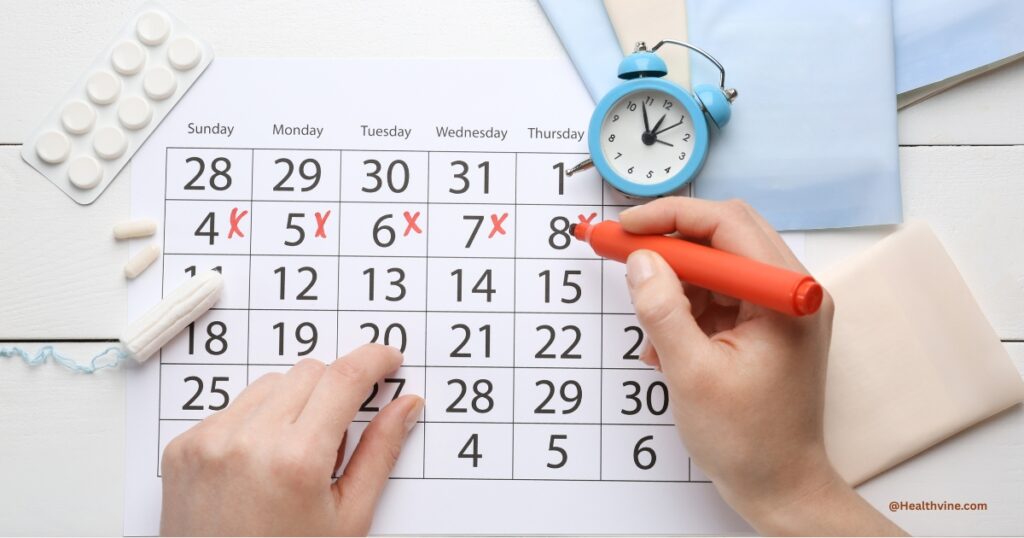
The menstrual cycle is a natural monthly process that prepares the female body for pregnancy. It involves a complex interaction between hormones, the ovaries, and the uterus, resulting in predictable physical changes throughout the month. While many people think of the menstrual cycle as simply having a monthly period, menstruation is actually just one phase of a much longer cycle.
Understanding how the menstrual cycle works can help women recognize what is normal, identify possible health concerns, and better understand fertility, reproductive health, and hormonal changes. Although the average cycle lasts about 28 days, healthy menstrual cycles can vary from person to person and even from month to month.
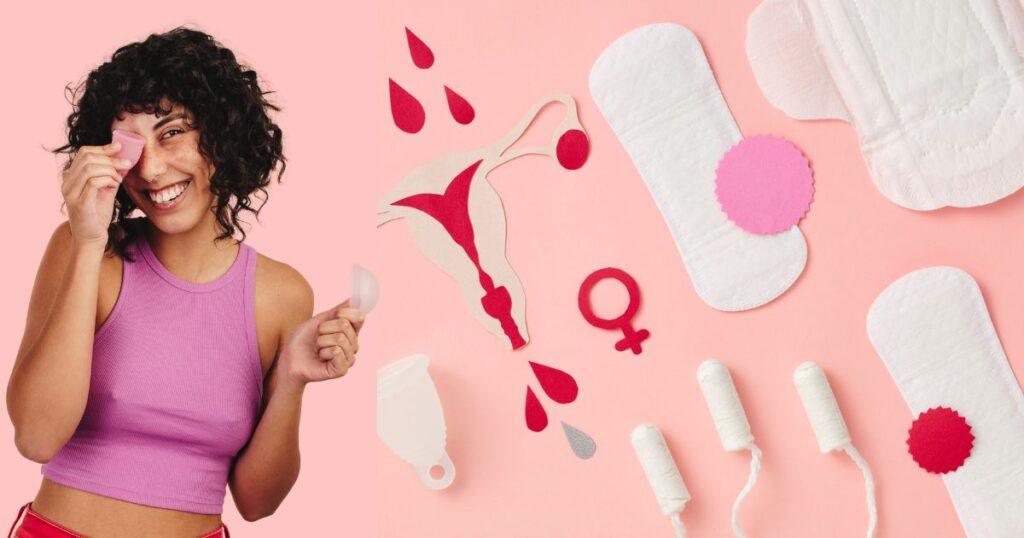
This guide explains the menstrual cycle, its phases, the hormones involved, common symptoms, factors that affect the cycle, and when changes may require medical attention.
What Is the Menstrual Cycle?
The menstrual cycle is a monthly series of hormonal and physical changes that prepares the body for a possible pregnancy.
Each cycle begins on the first day of menstrual bleeding and ends the day before the next menstrual period starts.
If pregnancy does not occur, the lining of the uterus is shed during menstruation, and a new cycle begins.
The menstrual cycle is controlled by hormones produced by the brain and ovaries.
Quick Facts About the Menstrual Cycle
| Fact | Information |
|---|---|
| Average cycle length | About 28 days |
| Normal cycle length | 21–35 days in most adults |
| First day of the cycle | First day of menstrual bleeding |
| Main purpose | Prepare the body for pregnancy |
| Main hormones | Estrogen, progesterone, follicle-stimulating hormone (FSH), and luteinizing hormone (LH) |
Why Is the Menstrual Cycle Important?
The menstrual cycle is an important indicator of reproductive health. A healthy cycle helps:
- Prepare the uterus for pregnancy
- Release an egg during ovulation
- Regulate reproductive hormones
- Support fertility
- Provide clues about overall hormonal health
Changes in the menstrual cycle may sometimes indicate an underlying medical condition.
How Does the Menstrual Cycle Work?
The menstrual cycle is controlled by hormones produced by the hypothalamus, pituitary gland, and ovaries. These hormones work together to:
- Develop an egg
- Release the egg (ovulation)
- Prepare the uterus for pregnancy
- Trigger menstruation if pregnancy does not occur
The cycle repeats approximately every month until menopause.
Hormones That Control the Menstrual Cycle
Several hormones play key roles.
Follicle-Stimulating Hormone (FSH)
FSH is released by the pituitary gland. It stimulates the ovaries to develop follicles, each containing an immature egg.
Luteinizing Hormone (LH)
LH triggers the release of the mature egg during ovulation. This event is known as the LH surge.
Estrogen
Estrogen is produced mainly by the ovaries. It helps:
- Thicken the uterine lining
- Support egg development
- Regulate other reproductive hormones
Progesterone
After ovulation, progesterone prepares the uterus for a possible pregnancy.
If pregnancy does not occur, progesterone levels fall, triggering menstruation.
The Four Phases of the Menstrual Cycle
The menstrual cycle has four main phases.
1. Menstrual Phase
The menstrual phase begins on Day 1 of the cycle.
If pregnancy has not occurred, the uterus sheds its thickened lining through menstrual bleeding.
What Happens?
- Hormone levels are low.
- The uterine lining is shed.
- A new cycle begins.
Common Symptoms
- Vaginal bleeding
- Mild cramping
- Fatigue
- Lower back pain
- Bloating
Menstrual bleeding usually lasts 3–7 days, although normal variation exists.
2. Follicular Phase
The follicular phase begins on the first day of menstruation and continues until ovulation. During this phase:
- FSH stimulates follicle growth.
- One follicle becomes dominant.
- Estrogen levels increase.
- The uterine lining begins to thicken again.
Many women notice increasing energy levels during this stage.
3. Ovulation Phase
Ovulation is the release of a mature egg from the ovary.
It usually occurs around the middle of the cycle, although the exact timing varies.
The egg survives for approximately 12–24 hours after release.
Signs of Ovulation
Some women notice:
- Mild pelvic pain (mittelschmerz)
- Clear, stretchy cervical mucus
- Increased libido
- Slight rise in basal body temperature after ovulation
Ovulation is the time when pregnancy is most likely if sperm are present.
4. Luteal Phase
The luteal phase begins after ovulation.
The empty follicle becomes the corpus luteum, which produces progesterone. Progesterone:
- Thickens the uterine lining
- Supports early pregnancy if fertilization occurs
If pregnancy does not occur:
- Progesterone levels decrease.
- Estrogen levels fall.
- The uterine lining breaks down.
- Menstruation begins.
What Is a Normal Menstrual Cycle?
A healthy menstrual cycle varies between individuals. General guidelines include:
- Cycle length: 21–35 days
- Menstrual bleeding: 3–7 days
- Mild cramps may occur
- Slight cycle variation is common
Teenagers may have more irregular cycles during the first few years after menstruation begins.
Common Menstrual Symptoms
Many women experience symptoms before or during menstruation. These may include:
- Abdominal cramps
- Bloating
- Breast tenderness
- Mood changes
- Acne
- Fatigue
- Headaches
- Food cravings
- Lower back pain
Symptoms vary from person to person.
Premenstrual Syndrome (PMS)
Premenstrual syndrome refers to physical and emotional symptoms that occur before menstruation. Common symptoms include:
- Irritability
- Mood swings
- Anxiety
- Breast tenderness
- Bloating
- Fatigue
- Headaches
Symptoms usually improve shortly after menstruation begins.
Factors That Affect the Menstrual Cycle
Many factors can influence cycle length and regularity. These include:
- Puberty
- Pregnancy
- Breastfeeding
- Perimenopause
- Stress
- Significant weight changes
- Intense physical activity
- Certain medications
- Hormonal disorders
- Thyroid disease
- Polycystic ovary syndrome (PCOS)
Common Menstrual Disorders
Some menstrual problems require medical evaluation. Examples include:
- Painful periods (dysmenorrhea)
- Heavy menstrual bleeding
- Irregular periods
- Missed periods (amenorrhea)
- Premenstrual dysphoric disorder (PMDD)
- Endometriosis
- Polycystic ovary syndrome (PCOS)
Menstrual Hygiene
Good menstrual hygiene supports comfort and health. Recommendations include:
- Change sanitary pads, tampons, or menstrual cups as directed.
- Wash hands before and after changing menstrual products.
- Bathe regularly.
- Wear clean, comfortable underwear.
When Should You See a Doctor?
Consult a healthcare professional if you experience:
- Very heavy bleeding
- Periods lasting longer than seven days
- Severe pelvic pain
- Bleeding between periods
- Bleeding after menopause
- Missed periods without pregnancy
- Menstrual cycles consistently shorter than 21 days or longer than 35 days
- Sudden major changes in your menstrual pattern
Early evaluation can help identify underlying health conditions.
Myth vs. Fact
| Myth | Fact |
|---|---|
| Every menstrual cycle lasts exactly 28 days. | Healthy cycles can range from 21 to 35 days in adults. |
| You cannot become pregnant during your period. | Pregnancy is less likely but can occur depending on cycle timing and sperm survival. |
| Menstrual cycles are always regular. | Some variation is normal, especially during adolescence and perimenopause. |
| Severe menstrual pain is always normal. | Persistent or severe pain should be medically evaluated. |
| Exercise should be avoided during menstruation. | Many women can safely continue exercising, and some find it helps relieve symptoms. |
Frequently Asked Questions
What is the menstrual cycle?
The menstrual cycle is a monthly hormonal process that prepares the body for pregnancy by developing an egg, releasing it during ovulation, and preparing the uterus for implantation.
How long does a normal menstrual cycle last?
A normal menstrual cycle typically lasts between 21 and 35 days in adults, with an average of about 28 days.
When does ovulation occur?
Ovulation usually occurs around the middle of the cycle, although the exact timing varies between individuals and from cycle to cycle.
What causes menstrual cramps?
Menstrual cramps are caused by uterine contractions that help shed the uterine lining. Chemicals called prostaglandins play an important role in these contractions.
Conclusion
The menstrual cycle is a normal and essential part of female reproductive health. It involves a carefully coordinated series of hormonal changes that prepare the body for a possible pregnancy each month. Although the average cycle lasts about 28 days, healthy cycles vary among individuals.
Understanding the four phases of the menstrual cycle, recognizing common symptoms, and knowing what is considered normal can help women make informed decisions about their health. Paying attention to significant changes in cycle length, bleeding patterns, or pain—and seeking medical advice when necessary—can support early diagnosis of underlying conditions and promote lifelong reproductive well-being.
Recommended External References
Readers seeking more information can consult organizations such as
- World Health Organization. (2025). Women’s Health. https://www.who.int/
- American College of Obstetricians and Gynecologists. (2025). Menstruation in Girls and Adolescents. https://www.acog.org/
- Office on Women’s Health. (2025). Menstrual Cycle. https://www.womenshealth.gov/
- National Institute of Child Health and Human Development. (2025). Menstrual Cycle. https://www.nichd.nih.gov/
- Mayo Clinic. (2025). Menstrual Cycle: What’s Normal?. https://www.mayoclinic.org/
- NHS. (2025). Periods. https://www.nhs.uk/
- MedlinePlus. (2025). Menstruation. https://medlineplus.gov/
- International Federation of Gynecology and Obstetrics (FIGO). (2025). Women’s Reproductive Health. https://www.figo.org/
Disclaimer
This article is for educational purposes only and should not replace professional medical advice, diagnosis, or treatment. If you experience severe menstrual pain, unusually heavy bleeding, irregular cycles, or other concerning symptoms, consult a qualified healthcare professional for appropriate evaluation and care.
Reviewed and written by the HealthVineHub Medical Editorial Team
This article was prepared by an experienced medical content writer and reviewed using guidance from leading public health organizations, including the World Health Organization (WHO), the Centers for Disease Control and Prevention (CDC), and other reputable medical sources. Our editorial team is committed to producing accurate, evidence-based, reader-friendly health information that supports informed healthcare decisions.