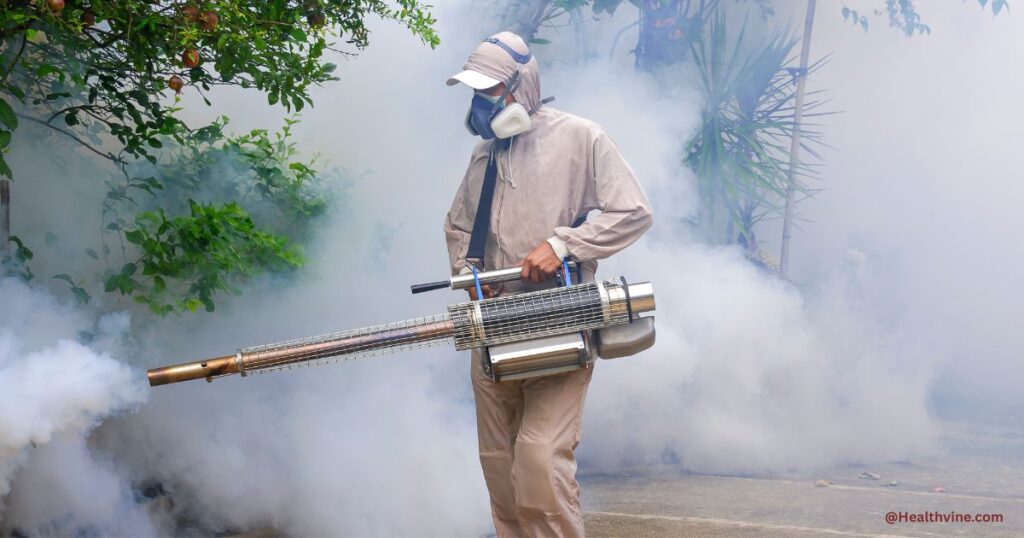
Malaria is a life-threatening disease that affects millions of people every year. It is caused by Plasmodium parasites and transmitted through the bite of infected female Anopheles mosquitoes. Early recognition of malaria symptoms is essential because prompt diagnosis and treatment can prevent severe illness and save lives.
According to WHO, There are 5 Plasmodium parasite species that cause malaria in humans and 2 of these species – P. falciparum and P. vivax – pose the greatest threat. P. falciparum is the deadliest malaria parasite and the most prevalent on the African continent. P. vivax is the dominant malaria parasite in most countries outside of sub-Saharan Africa. The other malaria species which can infect humans are P. malariae, P. ovale and P. knowlesi.
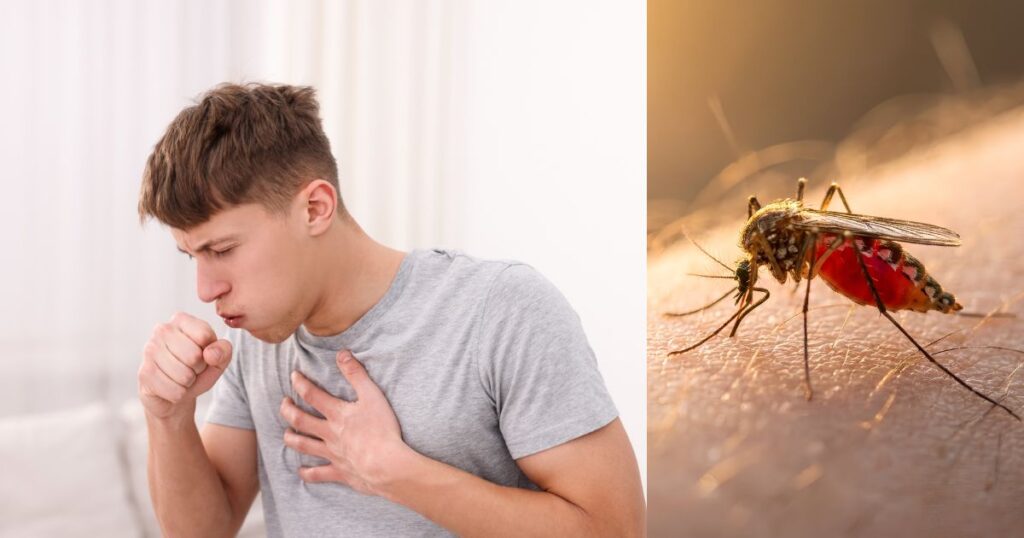
The early signs of malaria often resemble those of the flu or other infections, making it easy to overlook the disease, especially in its initial stages. Knowing what symptoms to watch for can help you seek medical care before complications develop.
The first symptoms of malaria usually appear 7 to 30 days after being bitten by an infected mosquito, although they may appear later depending on the parasite species and whether preventive medication was taken. Common early symptoms include:
- Fever
- Chills
- Sweating
- Headache
- Muscle aches
- Joint pain
- Fatigue
- Weakness
- Loss of appetite
- Nausea
- Vomiting
These symptoms may develop gradually or appear suddenly.
How Do Malaria Symptoms Progress?
Malaria symptoms often occur in cycles that correspond to the parasite’s life cycle inside red blood cells.
Firstly: Chills
Many people experience:
- Intense shivering
- Feeling unusually cold
- Goosebumps
- Trembling
This stage typically lasts between 15 and 60 minutes.
Secondly: High Fever
After the chills, body temperature rises rapidly. Symptoms may include:
- High fever
- Severe headache
- Rapid heartbeat
- Hot, flushed skin
- Extreme thirst
The fever may reach 39–41°C (102–106°F).
Thirdly: Sweating
As the fever begins to fall, heavy sweating occurs. Then you may feel:
- Extremely tired
- Weak
- Sleepy
Without treatment, this cycle may repeat every 24 to 72 hours depending on the type of malaria.
Malaria Symptoms
Malaria symptoms usually develop 7 to 30 days after an infected mosquito bite, although the exact incubation period depends on the Plasmodium species, a person’s immunity, and whether preventive medication was taken.
In some cases—particularly with Plasmodium vivax and Plasmodium ovale—symptoms may not appear for several months because these parasites can remain dormant in the liver before becoming active again.
Because malaria symptoms often resemble those of influenza or other viral illnesses, it can be difficult to recognize without proper testing. Anyone who develops a fever after traveling to or living in a malaria-endemic area should seek medical attention promptly.
Symptoms in Adults
Adults commonly experience:
- High fever
- Chills
- Sweating
- Headache
- Muscle pain
- Fatigue
- Nausea
- Vomiting
- Diarrhea
- General weakness
Some adults also develop abdominal pain or a mild cough.
Symptoms in Children
Children may develop different symptoms than adults. Watch for:
- Fever
- Poor feeding
- Vomiting
- Diarrhea
- Irritability
- Excessive sleepiness
- Difficulty breathing
- Persistent crying
- Seizures (in severe cases)
Young children can become seriously ill very quickly.
Symptoms During Pregnancy
Pregnant women may experience:
- Fever
- Fatigue
- Anemia
- Low blood sugar
- Reduced fetal movement (in severe cases)
Malaria during pregnancy requires urgent medical assessment because it increases the risk of complications for both mother and baby.
Symptoms of Severe Malaria
Without prompt treatment, malaria can progress to severe disease. Emergency warning signs include:
- Persistent vomiting
- Extreme weakness
- Severe dehydration
- Yellowing of the eyes or skin
- Confusion
- Seizures
- Difficulty breathing
- Inability to drink fluids
- Loss of consciousness
- Dark-colored urine
These symptoms require immediate emergency medical care.
Symptoms That Can Be Mistaken for Other Illnesses
Malaria shares symptoms with many conditions, including:
| Condition | Similar Symptoms |
|---|---|
| Influenza | Fever, body aches, fatigue |
| COVID-19 | Fever, headache, muscle pain |
| Dengue fever | Fever, headache, body pain |
| Typhoid fever | Fever, weakness, abdominal pain |
| Viral infections | Fatigue, chills, headache |
Because symptoms overlap, laboratory testing is essential for diagnosis.
When Do Symptoms Start?
The incubation period varies depending on the parasite species.
| Parasite | Typical Incubation Period |
|---|---|
| Plasmodium falciparum | 9–14 days |
| Plasmodium vivax | 12–18 days (sometimes months later due to dormant liver stages) |
| Plasmodium ovale | 12–20 days (can also relapse months later) |
| Plasmodium malariae | 18–40 days |
| Plasmodium knowlesi | About 9–12 days |
When Should You See a Doctor?
Seek medical attention immediately if:
- You experience chills and sweating following mosquito exposure.
- You develop a fever after traveling to a malaria-risk area.
- Fever persists despite home treatment.
- Symptoms worsen rapidly.
- You become confused or unusually sleepy.
- You have difficulty breathing.
- You experience seizures.
- You are pregnant or caring for a young child with suspected malaria.
Early diagnosis and treatment significantly reduce the risk of severe complications.
How Is Malaria Diagnosed?
Doctors may use:
- Blood smear microscopy
- Rapid diagnostic tests (RDTs)
- Polymerase chain reaction (PCR) testing in specialized settings
Testing confirms the diagnosis and helps identify the specific parasite species.
Can Malaria Symptoms Come Back?
Yes. Symptoms may return because of:
- Relapse (particularly with P. vivax or P. ovale)
- Reinfection from another infected mosquito
- Incomplete treatment in some cases
Always complete your prescribed treatment and attend follow-up appointments if advised.
Frequently Asked Questions
Can malaria start with just a fever?
Yes. Fever is often the first noticeable symptom, although chills, headache, and body aches frequently accompany it.
What is the most common symptom of malaria?
Fever is the hallmark symptom, usually accompanied by chills, sweating, and fatigue.
How quickly can malaria become severe?
Infections caused by Plasmodium falciparum can worsen rapidly, sometimes within 24 hours, making prompt medical care essential.
Can malaria cause vomiting?
Yes. Nausea and vomiting are common symptoms, particularly in children.
Does every person with malaria experience chills?
No. While chills are common, symptoms can vary depending on the individual, the parasite species, and the stage of infection.
Key Takeaways
- Fever is usually the earliest and most common symptom of malaria.
- Other common symptoms include chills, sweating, headache, muscle aches, nausea, and fatigue.
- Children and pregnant women may present differently and are at higher risk of severe disease.
- Severe malaria is a medical emergency requiring immediate treatment.
- Anyone with fever after travel to or residence in a malaria-endemic area should be tested for malaria.
Conclusion
Recognizing malaria symptoms early is one of the most effective ways to prevent serious complications. Although the illness often begins with flu-like symptoms, fever combined with chills, sweating, headache, and recent exposure to malaria-risk areas should never be ignored.
If you suspect malaria, seek medical care immediately. Prompt testing and appropriate treatment greatly improve the chances of a full recovery and help prevent severe disease.
Disclaimer
This article is intended for educational purposes only and should not replace professional medical advice, diagnosis, or treatment. Always consult a qualified healthcare professional regarding any medical concerns. If you think you may have malaria or are experiencing severe symptoms such as confusion, difficulty breathing, seizures, or persistent high fever, seek emergency medical care immediately.
Reviewed and written by the HealthVineHub Medical Editorial Team
This article was prepared by an experienced medical content writer and reviewed using guidance from leading public health organizations, including the World Health Organization (WHO), the Centers for Disease Control and Prevention (CDC), and other reputable medical sources. Our editorial team is committed to producing accurate, evidence-based, reader-friendly health information that supports informed healthcare decisions.