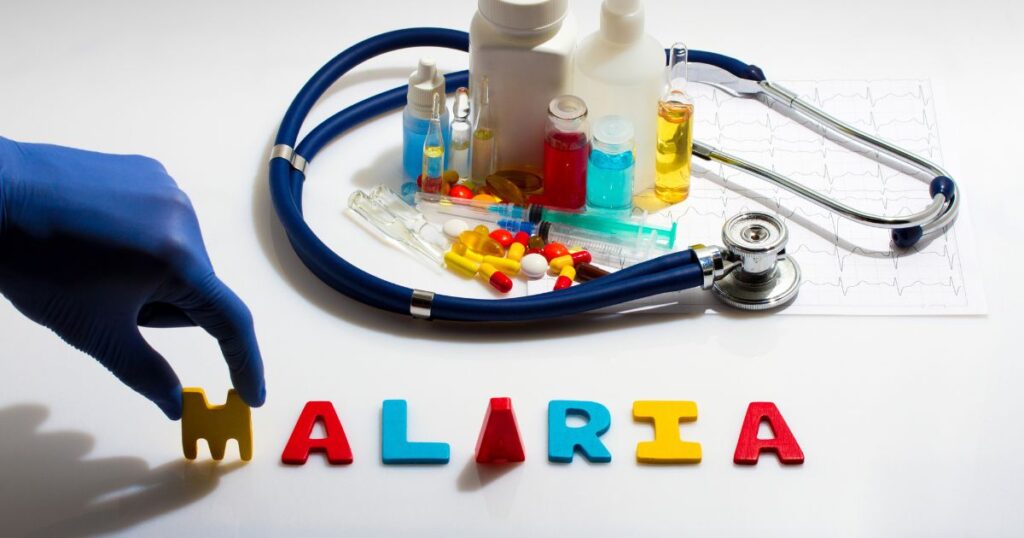
Malaria is one of the world’s most common mosquito-borne diseases and remains a major public health concern, particularly in tropical and subtropical regions such as sub-Saharan Africa, parts of Asia, Latin America, and Oceania. According to the World Health Organization (WHO), hundreds of millions of malaria cases occur each year, with young children, pregnant women, and people with weakened immune systems facing the greatest risk of severe illness.
Malaria is caused by Plasmodium parasites that are transmitted to humans through the bite of infected female Anopheles mosquitoes. Although malaria can be life-threatening if left untreated, it is largely preventable through a combination of mosquito control measures, personal protection, preventive medications, and community health interventions.
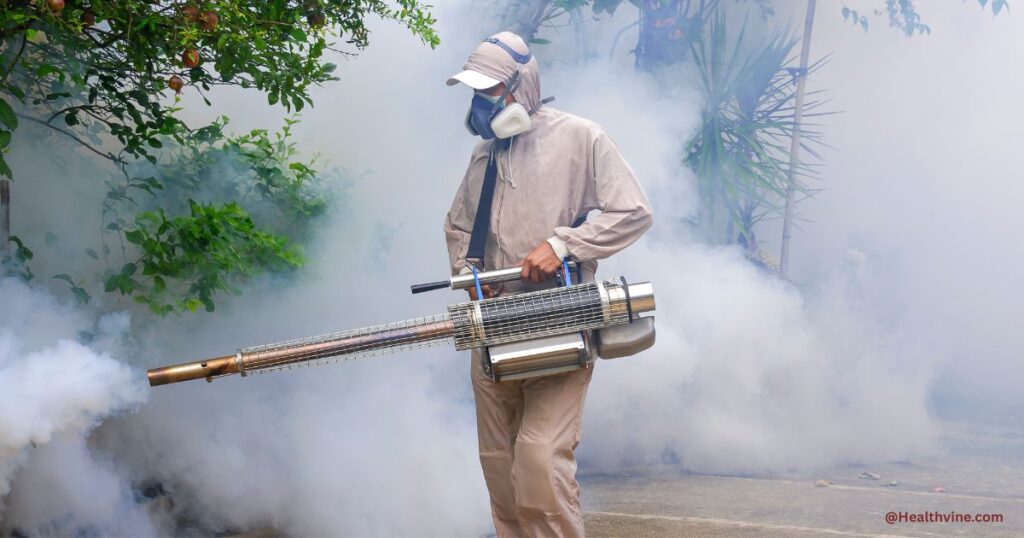
Whether you live in a malaria-endemic area or are planning to travel to one, understanding how to prevent malaria is essential for protecting yourself, your family, and your community.
This guide explains 15 evidence-based ways to reduce your risk of malaria, prevent mosquito bites, and stay healthy.
Why Is Malaria Prevention Important?
Malaria can range from a mild illness to a life-threatening emergency. Preventing infection is often easier, safer, and less costly than treating the disease. Effective prevention helps:
- Reduce the risk of infection
- Prevent severe malaria
- Lower hospital admissions
- Protect vulnerable groups such as children and pregnant women
- Reduce community transmission
Quick Prevention Checklist
| Prevention Method | Helps Prevent Malaria? |
|---|---|
| Insecticide-treated bed nets | ✅ Yes |
| Mosquito repellents | ✅ Yes |
| Long-sleeved clothing | ✅ Yes |
| Window and door screens | ✅ Yes |
| Preventive antimalarial medicine | ✅ Yes |
| Removing standing water | ✅ Yes |
| Indoor residual spraying | ✅ Yes |
| Malaria vaccination (where available) | ✅ Yes |
1. Sleep Under an Insecticide-Treated Bed Net
Sleeping under a long-lasting insecticide-treated bed net (LLIN) is one of the most effective ways to prevent malaria. These nets:
- Create a physical barrier against mosquitoes.
- Kill or repel mosquitoes that land on them.
- Reduce malaria transmission within communities.
They are especially important for:
- Children under five
- Pregnant women
- People living in high-risk areas
2. Use Mosquito Repellent
Apply an insect repellent to exposed skin, particularly from dusk until dawn, when malaria-carrying mosquitoes are most active. Repellents containing ingredients such as:
- DEET
- Picaridin
- IR3535
are commonly recommended when used according to the product instructions. Reapply as directed, especially after sweating or swimming.
3. Wear Protective Clothing
Cover as much skin as possible during evening and nighttime hours. Recommended clothing includes:
- Long-sleeved shirts
- Long trousers
- Socks
- Closed shoes
Light-colored clothing may make it easier to see mosquitoes.
4. Install Window and Door Screens
Well-fitted screens help keep mosquitoes out of homes. Where available, using:
- Window screens
- Door screens
- Air conditioning
can further reduce exposure to mosquito bites.
5. Eliminate Standing Water
Mosquitoes lay their eggs in stagnant water. Regularly inspect your surroundings and remove standing water from:
- Buckets
- Flower pots
- Old tires
- Water containers
- Gutters
- Drums
Community clean-up campaigns can also help reduce mosquito breeding sites.
6. Use Indoor Residual Spraying
Indoor residual spraying (IRS) involves applying approved insecticides to the inside walls of homes.
This helps kill mosquitoes that rest indoors after feeding and is commonly used in malaria control programs in endemic areas.
7. Take Preventive Antimalarial Medication
If you are traveling to a malaria-risk area, your healthcare provider may recommend preventive medication (chemoprophylaxis). The choice depends on:
- Your destination
- Local drug resistance
- Your age
- Pregnancy status
- Medical history
Take the medication exactly as prescribed before, during, and after travel.
8. Get Travel Health Advice Before Traveling
Visit a travel clinic or healthcare provider 4–6 weeks before departure if possible. During the visit you can:
- Learn about malaria risk at your destination.
- Receive advice on preventive medicines.
- Update routine vaccinations if needed.
- Discuss any existing medical conditions.
9. Stay in Well-Protected Accommodation
When possible, choose accommodation with:
- Window screens
- Air conditioning
- Bed nets
- Closed doors at night
These measures reduce exposure to mosquitoes while sleeping.
10. Be Extra Careful Between Dusk and Dawn
Female Anopheles mosquitoes are most active during the evening and overnight. During these hours:
- Limit outdoor activities if possible.
- Use insect repellent consistently.
- Wear protective clothing.
11. Keep Your Surroundings Clean
A clean environment helps reduce mosquito breeding. Regularly:
- Clear bushes near the home
- Remove discarded containers
- Improve drainage
- Dispose of waste properly
Community participation is essential for long-term mosquito control.
12. Take Extra Precautions During Pregnancy
Pregnant women are at increased risk of severe malaria. Protective measures include:
- Sleeping under insecticide-treated bed nets.
- Using approved insect repellents.
- Attending regular antenatal appointments.
- Taking preventive medicines if recommended by a healthcare provider.
13. Consider Malaria Vaccination Where Available
Malaria vaccines are being introduced in some countries for young children living in areas with moderate to high malaria transmission.
These vaccines help reduce the risk of severe disease but do not provide complete protection.
Vaccination should be combined with other preventive measures, including mosquito bite avoidance.
14. Seek Medical Care Quickly if Develop Malaria Symptoms
Even the best prevention strategies cannot eliminate all risk. If you develop:
- Fever
- Chills
- Sweating
- Headache
- Flu-like symptoms
after living in or traveling to a malaria-risk area, seek medical attention promptly.
15. Support Community Malaria Control Programs
Community efforts play a major role in reducing malaria transmission. Examples include:
- Mosquito surveillance
- Environmental sanitation
- Indoor spraying campaigns
- Distribution of insecticide-treated bed nets
- Public health education
Participating in these programs benefits both individuals and the wider community.
Common Mistakes to Avoid
Avoid these common misconceptions:
- ❌ Assuming one mosquito bite cannot cause malaria.
- ❌ Stopping preventive medication too early.
- ❌ Sleeping without a bed net in high-risk areas.
- ❌ Ignoring a fever after travel.
- ❌ Relying on herbal remedies instead of proven prevention methods.
Frequently Asked Questions
What is the best way to prevent malaria?
The most effective approach combines mosquito bite prevention with preventive medication when recommended.
Can mosquito repellents prevent malaria?
Yes. When used correctly, repellents help reduce mosquito bites and lower the risk of malaria.
Do I need malaria tablets before traveling?
It depends on your destination and personal risk factors. Consult a healthcare provider or travel medicine clinic before your trip.
Is a malaria vaccine enough to prevent malaria?
No. Malaria vaccines reduce the risk of severe disease but should be used alongside mosquito bite prevention and other recommended measures.
Can I still get malaria if I use a bed net?
Yes. While bed nets greatly reduce the risk, no single preventive measure provides complete protection. Combining multiple strategies offers the best protection.
Conclusion
Malaria remains a serious but largely preventable disease. Protecting yourself begins with reducing mosquito bites through measures such as sleeping under insecticide-treated bed nets, using insect repellents, wearing protective clothing, eliminating standing water, and following local public health recommendations. For travelers and people living in high-risk regions, preventive medications and, where appropriate, malaria vaccination provide additional protection.
The most effective malaria prevention strategy combines personal protective measures with community-based mosquito control and prompt medical care for anyone who develops symptoms. By staying informed, practicing proven prevention methods, and seeking early treatment when needed, you can significantly reduce your risk of malaria and help protect those around you.
Recommended External References
Readers seeking more information can consult organizations such as
- World Health Organization (WHO). (2025). Malaria. https://www.who.int/health-topics/malaria
- World Health Organization (WHO). (2025). World Malaria Report. https://www.who.int/teams/global-malaria-programme/world-malaria-report
- Centers for Disease Control and Prevention (CDC). (2025). Malaria. https://www.cdc.gov/malaria/
- Centers for Disease Control and Prevention (CDC). (2025). Malaria Information for Travelers. https://www.cdc.gov/malaria/travelers/
- National Health Service (NHS). (2025). Malaria. https://www.nhs.uk/conditions/malaria/
- Mayo Clinic. (2025). Malaria: Symptoms and Causes. https://www.mayoclinic.org/
- MedlinePlus. (2025). Malaria. https://medlineplus.gov/malaria.html
- World Health Organization. (2023). WHO recommends R21/Matrix-M malaria vaccine. https://www.who.int/news
Disclaimer
This article is for educational purposes only and should not replace professional medical advice, diagnosis, or treatment. If you develop fever, chills, or flu-like symptoms after living in or traveling to a malaria-risk area, seek medical attention immediately. Early diagnosis and prompt treatment are essential to prevent serious complications.
Reviewed and written by the HealthVineHub Medical Editorial Team
This article was prepared by an experienced medical content writer and reviewed using guidance from leading public health organizations, including the World Health Organization (WHO), the Centers for Disease Control and Prevention (CDC), and other reputable medical sources. Our editorial team is committed to producing accurate, evidence-based, reader-friendly health information that supports informed healthcare decisions.