Vegetables are among the most important foods in a healthy diet. Raw vs Cooked vegetables provide dietary fiber, vitamins, minerals, antioxidants, and a wide variety of plant compounds that support overall health. But does cooking make vegetables less healthy?
The answer is more complicated than simply saying raw vegetables are better. Some nutrients are sensitive to heat and water and may decrease during cooking, while cooking can make certain nutrients and plant compounds easier for the body to absorb. Cooking can also soften vegetables, making them easier to chew and digest.
The cooking method matters too. Steaming, microwaving, roasting, boiling, and frying can affect vegetables differently.
For this reason, there is no single cooking method that makes every vegetable healthiest. In many cases, the best approach is to eat a variety of vegetables prepared in different ways.
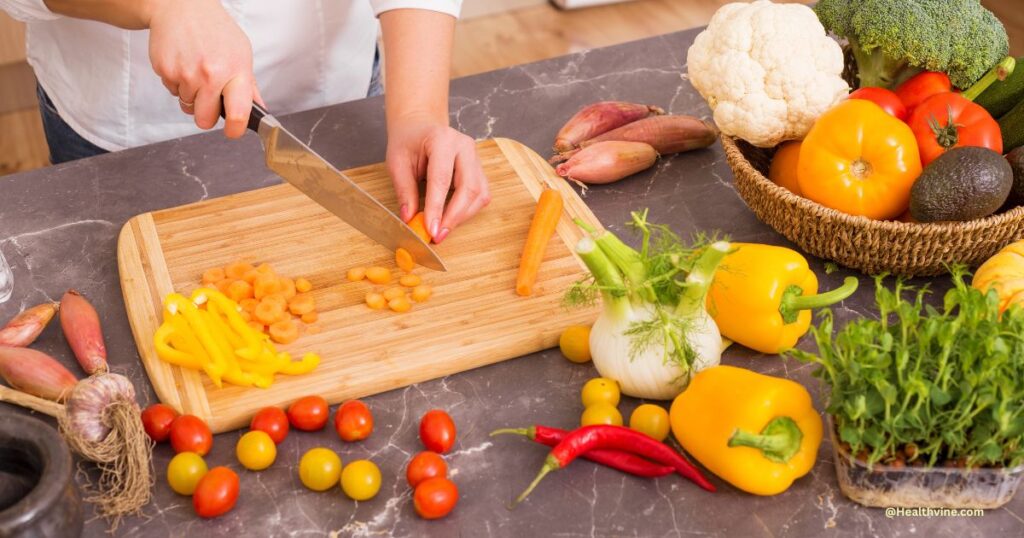
This guide explains the differences between raw and cooked vegetables, how cooking affects nutrients, which vegetables may benefit from cooking, the best cooking methods, and whether raw or cooked vegetables are ultimately healthier.
What Are Raw Vegetables?
Raw vegetables are vegetables that have not been cooked or exposed to significant heat. Examples include:
- Carrots
- Cucumbers
- Tomatoes
- Bell peppers
- Lettuce
- Cabbage
- Broccoli
- Cauliflower
- Spinach
- Onions
Raw vegetables can be eaten whole, sliced, grated, or added to salads and other meals. Because they have not been exposed to cooking heat, some heat-sensitive nutrients remain relatively intact.
What Are Cooked Vegetables?
Cooked vegetables have been exposed to heat through methods such as:
- Steaming
- Boiling
- Roasting
- Baking
- Microwaving
- Stir-frying
- Grilling
- Sautéing
Cooking changes the structure, texture, flavor, and sometimes the nutritional composition of vegetables.
The amount of nutritional change depends on the vegetable, cooking temperature, cooking time, and amount of water used.
Facts About Raw vs Cooked Vegetables
| Fact | Information |
|---|---|
| Are raw vegetables healthy? | Yes. They provide fiber, vitamins, minerals, water, and plant compounds |
| Are cooked vegetables healthy? | Yes. Cooking can improve digestibility and increase the availability of certain nutrients |
| Is raw always healthier? | No. Different nutrients respond differently to cooking |
| Does cooking destroy all nutrients? | No. Some nutrients decrease, while others remain stable or become more available |
| Which cooking method preserves nutrients well? | Steaming and microwaving generally preserve many nutrients because cooking time and water exposure can be limited |
| Does boiling reduce some nutrients? | Yes. Water-soluble vitamins can move into cooking water |
| Can cooking improve nutrient absorption? | Yes. Heat can make some plant compounds easier for the body to absorb |
| Should you eat only raw vegetables? | No. A mixture of raw and cooked vegetables provides variety |
| Should you avoid cooked vegetables? | No. Cooked vegetables can be highly nutritious |
| Which is healthier overall? | Both. The healthiest choice depends on the vegetable, cooking method, and overall diet |
Raw vs Cooked Vegetables: The Basic Difference
The main difference between raw and cooked vegetables is how heat changes their structure and nutrients.
Raw vegetables retain their original structure and have not experienced heat-related nutrient changes. Cooking can:
- Soften plant cell walls
- Change texture
- Reduce some heat-sensitive nutrients
- Make some nutrients easier to absorb
- Reduce the volume of vegetables
- Make certain vegetables easier to chew and digest
- Improve flavor and palatability
Neither raw nor cooked vegetables are universally superior.
How Cooking Affects Nutrients
Cooking can affect different nutrients in different ways.
Vitamin C
Vitamin C is sensitive to heat and can be reduced during prolonged cooking.
Water-based cooking methods can cause additional losses because vitamin C can move from vegetables into the cooking water.
This means vegetables that are boiled for long periods may lose more vitamin C than vegetables that are quickly steamed. However, cooking does not remove all vitamin C.
B Vitamins
B vitamins are water-soluble and can be affected by heat and water. Long cooking times and large amounts of water can increase nutrient losses. Using shorter cooking times and less water can help preserve these nutrients.
Vitamin A and Carotenoids
Carotenoids are plant compounds found in vegetables such as:
- Carrots
- Tomatoes
- Sweet potatoes
- Pumpkin
- Red peppers
Cooking can soften plant tissues and make some carotenoids easier for the body to absorb. Adding a small amount of healthy dietary fat can also help the body absorb fat-soluble carotenoids.
Vitamin K
Vitamin K is relatively stable during cooking compared with some other vitamins. Leafy green vegetables remain useful sources of vitamin K whether eaten raw or cooked.
Minerals
Minerals such as:
- Calcium
- Magnesium
- Potassium
- Iron
are generally more resistant to heat than many vitamins.
However, some minerals can move into cooking water during boiling. If the cooking liquid is discarded, some of those nutrients may be lost from the meal.
Note:
“Antioxidants” is a broad term covering many different substances, and each behaves differently during cooking. Some antioxidants decrease with heat, while others may become more available because cooking breaks down plant cell structures.
For example, cooking tomatoes can increase the amount of lycopene that is available for absorption. This is one reason it is inaccurate to say that raw vegetables always contain more usable antioxidants than cooked vegetables.
Raw Vegetables and Fiber
Vegetables are important sources of dietary fiber whether they are raw or cooked. Cooking generally does not eliminate the fiber in vegetables.
However, cooking can soften plant tissues and change how the digestive system interacts with the food. Some people may find cooked vegetables easier to digest than raw vegetables.
Vegetables That Are Healthier Raw
Some vegetables are particularly convenient and nutritious when eaten raw.
Bell Peppers
Bell peppers can be eaten raw and provide vitamin C and carotenoid compounds. They can be added to:
- Salads
- Sandwiches
- Wraps
- Vegetable platters
Cucumbers
Cucumbers contain a high proportion of water and are commonly eaten raw. They can contribute to hydration and provide small amounts of vitamins and minerals.
Lettuce
Lettuce is commonly eaten raw in salads and sandwiches. It provides water, fiber, vitamin K, folate, and other nutrients depending on the variety.
Carrots
Raw carrots provide fiber and carotenoids. They are also convenient as a snack.
However, cooking carrots can increase the availability of some carotenoids. Therefore, carrots can be nutritious both raw and cooked.
Vegetables May Benefit From Cooking
Some vegetables may provide certain nutritional advantages when cooked.
Tomatoes
Cooking tomatoes can increase the availability of lycopene. Tomatoes can therefore be nutritious both raw and cooked, but cooking can make some of their lycopene easier to absorb.
Carrots
Cooking can soften carrot cell walls and increase the availability of certain carotenoids. However, raw carrots still provide fiber and nutrients.
Spinach
Cooking spinach significantly reduces its volume, allowing a larger amount to be eaten. Heat can also reduce certain compounds that interfere with mineral absorption.
Broccoli
Broccoli contains several beneficial plant compounds. Short cooking methods can soften broccoli while preserving much of its nutritional value.
Very prolonged boiling may result in greater losses of water-soluble nutrients.
Mushrooms
Cooking mushrooms can improve digestibility and make some nutrients and compounds more accessible. Raw mushrooms can also be eaten in some dishes, but cooking is common and often preferred.
Best Cooking Methods for Vegetables
Not all cooking methods affect nutrients equally.
Steaming
Steaming exposes vegetables to heat without submerging them in water. It can help preserve many nutrients while producing tender vegetables. Steaming is particularly useful for:
- Broccoli
- Carrots
- Green beans
- Cauliflower
- Spinach
Roasting
Roasting can produce strong flavors and caramelization. It works well for:
- Carrots
- Sweet potatoes
- Cauliflower
- Pumpkin
- Bell peppers
- Broccoli
However, very high temperatures or prolonged cooking can reduce certain heat-sensitive nutrients.
Stir-Frying
Stir-frying uses relatively high heat for a short period. It can retain the texture of vegetables while producing flavorful meals.
Using a moderate amount of healthy cooking oil can also help absorb fat-soluble plant compounds.
Boiling
Boiling is convenient, but it can cause some water-soluble nutrients to move into the cooking water. To reduce nutrient losses:
- Use less water.
- Avoid excessively long cooking times.
- Consider using the cooking liquid in soups or stews.
Grilling
Grilling can produce flavorful vegetables.
However, very high temperatures can cause unwanted chemical changes, particularly when food becomes heavily charred. Moderate cooking and avoiding excessive charring are preferable.
Raw vs Cooked Vegetables for Gut Health
Both raw and cooked vegetables can contribute to a healthy diet. Different preparation methods can influence:
- Fiber structure
- Digestibility
- Gut microbial fermentation
- Availability of plant compounds
Eating a variety of vegetables is generally more important than insisting that every vegetable must be eaten raw.
Raw vs Cooked Vegetables: Which Is Healthier?
The answer is:
Both can be healthy.
There is no universal winner. Raw vegetables may provide higher amounts of certain heat-sensitive nutrients.
Cooked vegetables may provide greater availability of certain plant compounds and may be easier to digest. The healthiest approach is usually to include both raw and cooked vegetables. For example:
- Eat raw carrots in salads or as snacks.
- Eat roasted carrots with meals.
- Add raw tomatoes to salads.
- Use cooked tomatoes in sauces.
- Eat raw bell peppers with dips.
- Add cooked peppers to stews.
- Enjoy raw cabbage in salads.
- Add cooked cabbage to soups.
Variety allows you to benefit from the different nutritional characteristics of both forms.
Tips on How to Preserve Nutrients When Cooking Vegetables
You can reduce unnecessary nutrient loss by following a few simple practices:
- Cook vegetables for the shortest practical time.
- Avoid unnecessarily large amounts of water.
- Steam or microwave when appropriate.
- Avoid overcooking.
- Use cooking liquids in soups and stews.
- Avoid excessive charring.
- Eat some vegetables raw when appropriate.
- Use a variety of cooking methods.
Myth vs. Fact
| Myth | Fact |
|---|---|
| Raw vegetables are always healthier than cooked vegetables. | Different nutrients respond differently to cooking, so both raw and cooked vegetables can be nutritious. |
| Cooking destroys all vitamins. | Some vitamins decrease with cooking, while others remain relatively stable and some plant compounds become more available. |
| Boiled vegetables have no nutritional value. | Boiled vegetables still provide fiber, minerals, and many nutrients, although some water-soluble nutrients may enter the cooking water. |
| You should never cook tomatoes. | Cooking tomatoes can increase the availability of lycopene. |
| Cooking carrots makes them unhealthy. | Cooked carrots can remain nutritious and may provide more readily available carotenoids. |
| Fried vegetables are always unhealthy. | Preparation matters. Deep-frying adds substantial fat, while lightly sautéing vegetables can fit into a balanced diet. |
| Raw vegetables are always easier to digest. | Some people find cooked vegetables easier to digest because cooking softens their structure. |
| Microwaving destroys nutrients. | Microwaving can preserve many nutrients because cooking is often quick and uses little water. |
| You need to eat vegetables only one way to get the most nutrients. | Eating vegetables in different forms and using different cooking methods provides variety. |
Frequently Asked Questions
Are raw vegetables healthier than cooked vegetables?
Not necessarily. Some nutrients are better preserved in raw vegetables, while cooking can increase the availability of certain plant compounds and improve digestibility.
Does cooking vegetables destroy nutrients?
Cooking can reduce some heat-sensitive or water-soluble nutrients, especially when vegetables are cooked for a long time in large amounts of water. However, cooking can also improve the availability of certain nutrients and plant compounds.
Are raw carrots healthier than cooked carrots?
Both are nutritious. Raw carrots provide fiber and carotenoids, while cooking can make some carotenoids easier for the body to absorb.
Should I eat vegetables raw or cooked?
Ideally, include both. Eating a variety of vegetables prepared in different ways gives you access to different nutrients and plant compounds.
Conclusion
The debate over raw versus cooked vegetables does not have a simple winner. Raw vegetables can preserve certain heat-sensitive nutrients and provide a fresh source of fiber, vitamins, minerals, water, and plant compounds. Cooked vegetables can be easier to chew and digest, and cooking can make certain nutrients and beneficial plant compounds more available to the body.
The cooking method also matters. Steaming, microwaving, quick stir-frying, and moderate roasting can help preserve many nutrients, while prolonged boiling may cause greater losses of water-soluble vitamins. Deep-frying and excessive charring can also substantially change the nutritional quality of vegetables.
Instead of choosing between raw and cooked vegetables, a better approach is to enjoy both.
Eat raw vegetables in salads, snacks, and sandwiches, while incorporating steamed, roasted, boiled, or lightly sautéed vegetables into meals. Using different preparation methods allows you to enjoy a broader range of textures, flavors, nutrients, and plant compounds.
Ultimately, the healthiest vegetable is often the one you enjoy eating regularly and can include as part of a varied, balanced diet.
Recommended External References
Readers seeking additional information can consult:
- World Health Organization (WHO). Healthy Diet.
https://www.who.int/news-room/fact-sheets/detail/healthy-diet - Harvard T.H. Chan School of Public Health. Vegetables and Fruits.
https://nutritionsource.hsph.harvard.edu/what-should-you-eat/vegetables-and-fruits/
Disclaimer
This article is for educational purposes only and should not replace professional medical advice, diagnosis, or treatment. Individual nutritional needs vary, and people with digestive disorders, food allergies, kidney disease, diabetes, or other medical conditions may have specific dietary requirements. If you have concerns about your diet, nutrient intake, or how certain foods affect your health, consult a qualified healthcare professional or registered dietitian.
Reviewed and Written by the HealthVineHub Medical Editorial Team
This article was prepared by an experienced medical content writer and reviewed using current nutrition and scientific information from reputable public health and nutrition organizations. Our editorial team is committed to producing accurate, evidence-based, reader-friendly health information that supports informed healthcare decisions.
