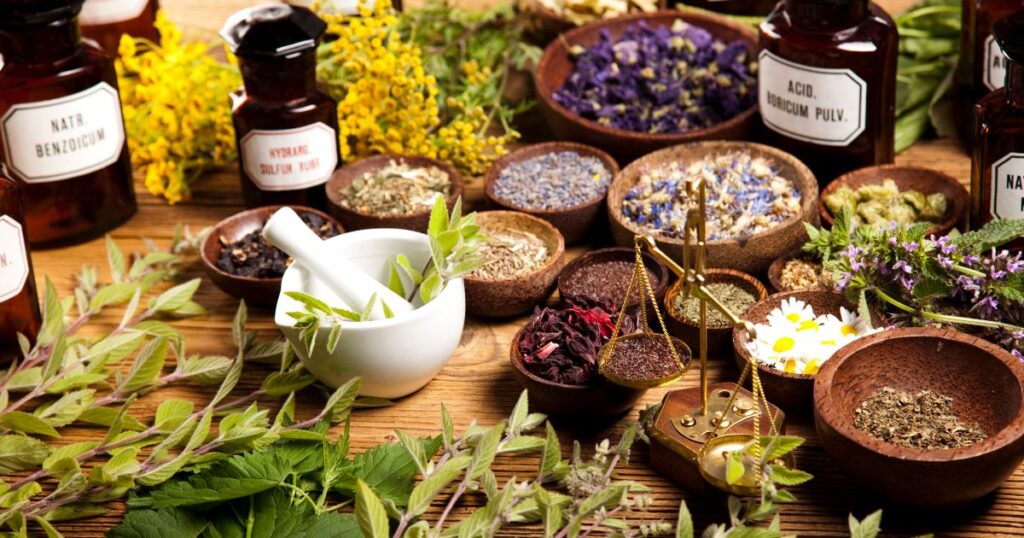
Basil is a fragrant herb widely used to add flavor, aroma, and freshness to meals. It is especially popular in Mediterranean, Asian, and other cuisines, where it can be used fresh or dried in sauces, salads, soups, vegetables, meat dishes, and beverages.
Although basil is usually consumed in relatively small amounts, it contains vitamins, minerals, antioxidants, and other plant compounds that contribute to its nutritional value. Fresh basil also adds flavor without requiring large amounts of salt, sugar, or heavy sauces.
There are many varieties of basil, including sweet basil, Thai basil, holy basil, lemon basil, and purple basil. Their flavors, aromas, appearances, and traditional uses can differ. Basil should not be viewed as a cure for disease. However, using herbs such as basil as part of a varied diet can contribute to overall nutrition and make healthy meals more enjoyable.
This article explains what basil is, its nutritional value, potential health benefits, different varieties, culinary uses, possible side effects, & more
What Is Basil?
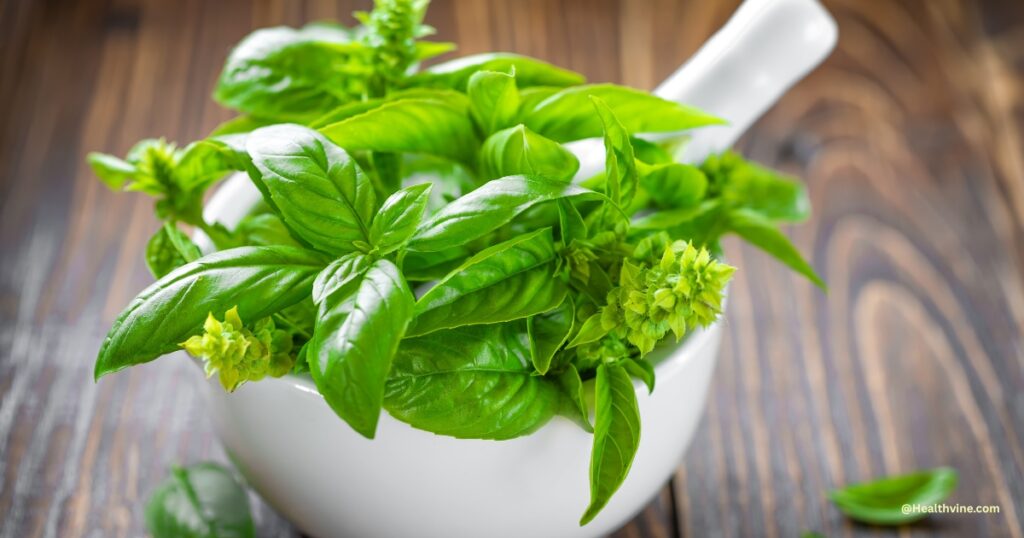
Basil is an aromatic herb belonging to the mint family, Lamiaceae. Its scientific name is Ocimum basilicum for the common sweet basil used in many culinary applications.
Basil leaves are usually green, although some varieties have purple or reddish leaves. The herb has a distinctive aroma and flavor that can range from sweet and peppery to spicy, citrusy, or slightly anise-like depending on the variety.
Basil can be used:
- Fresh
- Dried
- Chopped
- Whole
- Blended into sauces
- Infused into dishes and beverages
Quick Facts About Basil
| Fact | Information |
|---|---|
| What is basil? | An aromatic herb from the mint family commonly used in cooking |
| What nutrients does basil provide? | Vitamin K, vitamin A precursors, vitamin C, calcium, iron, magnesium, and plant compounds |
| Is fresh basil nutritious? | Yes. Although usually eaten in small amounts, it contributes vitamins, minerals, and plant compounds |
| What is basil commonly used for? | Sauces, salads, soups, vegetables, pasta dishes, meat dishes, and garnishes |
| Is basil an antioxidant food? | Basil contains several plant compounds with antioxidant properties |
| Is basil good for digestion? | Basil can be part of a healthy diet, although it should not be considered a treatment for digestive disorders |
| Can basil replace medication? | No. Basil should not replace prescribed medical treatment |
| Can basil be eaten every day? | Culinary amounts are generally safe for most people |
| Are all basil varieties the same? | No. Different varieties have different flavors, aromas, appearances, and plant compounds |
| Is dried basil nutritious? | Yes. Dried basil provides concentrated amounts of some nutrients and plant compounds, although serving sizes are usually small |
Basil Nutrition
Basil is usually eaten as a herb rather than as a major source of calories or nutrients. However, fresh basil provides small amounts of:
- Vitamin K
- Vitamin A
- Vitamin C
- Calcium
- Iron
- Magnesium
- Potassium
- Manganese
- Folate
It also contains various plant compounds, including flavonoids and aromatic compounds.
Because basil is normally consumed in small quantities, it should complement rather than replace major nutrient sources such as vegetables, fruits, legumes, whole grains, nuts, seeds, and protein-rich foods.
Nutrients and Plant Compounds in Basil
1. Vitamin K
Basil is a useful source of vitamin K. Vitamin K contributes to:
- Normal blood clotting
- Bone health
- Normal bone metabolism
People taking certain blood-thinning medications may need to maintain a consistent intake of vitamin K-rich foods rather than making sudden major dietary changes.
If you take medication that is affected by vitamin K, discuss your diet with your healthcare professional.
2. Vitamin A
Basil contains carotenoids that can contribute to vitamin A nutrition. Vitamin A is important for:
- Normal vision
- Immune function
- Skin health
- Normal growth and development
3. Vitamin C
Fresh basil contains vitamin C, although the amount obtained from typical culinary portions is relatively modest. Vitamin C supports:
- Immune function
- Collagen production
- Wound healing
- Iron absorption
- Protection of cells from oxidative damage
4. Calcium
Basil provides calcium in small amounts. Calcium is essential for:
- Bones and teeth
- Muscle function
- Nerve signaling
- Normal blood clotting
5. Iron
Basil contains iron. Iron is necessary for hemoglobin production and oxygen transport.
However, because basil is usually consumed in small quantities, it should not be relied upon as the main source of dietary iron.
6. Magnesium
Basil provides some magnesium, a mineral involved in:
- Muscle function
- Nerve function
- Energy metabolism
- Normal blood glucose regulation
- Bone health
7. Antioxidant Plant Compounds
Basil contains several plant compounds with antioxidant properties. These compounds help protect plant cells and are being studied for their potential biological effects in humans.
Different basil varieties can contain different concentrations and types of plant compounds.
Benefits of Basil
Provides Antioxidant Compounds
Basil contains flavonoids and other plant compounds that have antioxidant properties. Antioxidants help protect cells from oxidative damage.
Including herbs such as basil in meals is one small way to increase exposure to a variety of plant compounds. However, basil should be considered part of an overall plant-rich diet rather than a stand-alone antioxidant treatment.
Supports a Nutrient-Rich Diet
Adding basil to meals can make nutritious foods more flavorful. For example, basil can be added to:
- Tomatoes
- Vegetables
- Whole grains
- Beans
- Soups
- Salads
This can make healthy meals more enjoyable without relying heavily on salt or highly processed sauces.
Contributes to Vitamin K Intake
Basil provides vitamin K, which supports normal blood clotting and bone health. Although basil is usually consumed in small amounts, regular use can contribute to total vitamin K intake.
Supports Immune Nutrition
Basil contains nutrients such as vitamins A and C and various plant compounds that contribute to normal immune function. However, eating basil does not make someone immune to infections.
A healthy immune system depends on overall nutrition, sleep, physical activity, vaccination where appropriate, and many other factors.
May Support Heart-Health
Basil can contribute to a heart-healthy dietary pattern by adding flavor to meals without requiring large amounts of salt. For example, basil can be used with:
- Tomatoes
- Olive oil
- Vegetables
- Beans
- Whole grains
- Fish
- Lean proteins
The overall dietary pattern is much more important for heart health than any individual herb.
May Support Digestive Health
Basil has traditionally been used in various food and herbal preparations for digestive purposes.
However, evidence for basil as a treatment for specific digestive disorders is limited. As a culinary herb, basil can be part of a varied diet that provides vegetables, fiber, and other foods important for digestive health.
Adds Flavor Without Excess Sodium
One practical benefit of basil is its ability to enhance flavor. Using fresh herbs can help meals taste flavorful while reducing dependence on large amounts of salt.
This can be useful for people trying to reduce sodium intake as part of a healthy eating pattern.
Supports a Plant-Rich Diet
Herbs are plants too, and using a variety of herbs can increase the diversity of plant foods in the diet.
Basil can be combined with other herbs and vegetables to create meals containing a wide range of naturally occurring plant compounds.
Fresh Basil vs. Dried Basil
Both fresh and dried basil can be useful.
| Fresh Basil | Dried Basil |
|---|---|
| Higher water content | Much more concentrated |
| Bright, fresh aroma | Stronger, deeper dried-herb flavor |
| Commonly added near the end of cooking | Often added during cooking |
| Excellent for salads and fresh sauces | Convenient for soups, stews, sauces, and seasoning |
| Requires refrigeration or short-term use | Easier to store for longer |
| More delicate | More shelf-stable |
Dried basil is more concentrated because much of the water has been removed. However, the amount used in recipes is usually much smaller than the amount of fresh basil.
Types of Basil
There are many basil varieties.
Sweet Basil
Sweet basil is one of the most common culinary varieties. It has a mildly sweet and peppery flavor and is widely used in sauces, salads, and Mediterranean-style dishes.
Thai Basil
Thai basil has a stronger flavor with hints of anise or licorice. It is commonly used in Southeast Asian cuisine.
Holy Basil
Holy basil, also known as tulsi, is a different basil species traditionally used in Ayurvedic practices. It is often consumed as an herbal preparation or tea.
Traditional use does not automatically mean that an herb has been proven to treat a medical condition.
Lemon Basil
Lemon basil has a citrus-like aroma and flavor. It can be used in:
- Salads
- Seafood dishes
- Drinks
- Sauces
Purple Basil
Purple basil has reddish-purple leaves and can be used as a decorative and flavorful addition to salads, sauces, and other dishes.
Basil and Pesto
Pesto is one of the best-known ways to use basil. Traditional pesto commonly combines:
- Fresh basil
- Olive oil
- Garlic
- Pine nuts
- Parmesan cheese
Pesto can be nutritious because it contains plant foods and unsaturated fats.
However, it can also be relatively high in calories and sodium depending on the recipe and portion size. Using pesto in moderate amounts can allow you to enjoy its flavor while maintaining a balanced meal.
How to Use Fresh Basil
Fresh basil can be added to meals in many ways.
Try using it in:
- Tomato salads
- Pasta dishes
- Soups
- Sandwiches
- Wraps
- Pesto
- Vegetable dishes
- Pizza
- Grain bowls
- Omelets
- Bean dishes
- Homemade sauces
Fresh basil is often added toward the end of cooking to preserve its aroma and fresh flavor.
Basil Tea
Basil leaves can be used to prepare herbal infusions. Holy basil, in particular, is traditionally consumed as tea in some cultures.
However, herbal teas can contain biologically active compounds, and “natural” does not automatically mean risk-free.
People who are pregnant, taking medication, managing a chronic condition, or considering concentrated herbal preparations should discuss their use with a healthcare professional.
Possible Side Effects of Basil
Basil used in normal culinary quantities is generally well tolerated. However, some people may experience problems with concentrated preparations or supplements.
Possible concerns include:
- Allergic reactions
- Digestive discomfort
- Interactions with medications
- Effects on blood clotting or blood glucose with concentrated preparations
The risk depends on the species, amount, preparation, and individual health status.
Basil Allergy
Although uncommon, some people may be allergic to basil. Possible symptoms include:
- Itching
- Rash
- Hives
- Swelling
- Digestive symptoms
- Difficulty breathing
Anyone who develops difficulty breathing or swelling of the throat after eating a food should seek urgent medical attention.
Basil and Medication Interactions
Fresh basil used as a culinary herb is unlikely to cause major problems for most people. However, concentrated basil extracts or supplements may behave differently.
People taking medication for:
- Blood clotting
- Blood pressure
- Blood sugar
- Other chronic conditions
should speak with a healthcare professional before using concentrated basil supplements.
Do not stop prescribed medication because of claims about herbal remedies.
How to Store Fresh Basil
Fresh basil can be delicate. To maintain quality:
- Keep it away from excessive moisture.
- Avoid crushing the leaves.
- Use it relatively soon after purchase.
- Follow appropriate food-storage practices.
Some people store basil stems in water at room temperature, while others refrigerate it depending on the variety and local conditions.
If the leaves become slimy, moldy, or develop an unpleasant smell, discard them.
Basil vs. Other Fresh Herbs
Basil is only one of many nutritious culinary herbs. Other herbs include:
- Parsley
- Coriander
- Mint
- Rosemary
- Thyme
- Oregano
- Dill
Each herb has its own combination of flavors and plant compounds.
Using different herbs can increase dietary variety and make meals more enjoyable.
Myth vs. Fact
| Myth | Fact |
|---|---|
| Basil can cure every disease. | Basil is a nutritious herb, but it is not a cure for disease. |
| More basil always means greater health benefits. | Basil is normally eaten in small amounts, and excessive use of concentrated preparations may have risks. |
| Fresh basil has no nutritional value because it is used as a garnish. | Fresh basil provides vitamins, minerals, and plant compounds, although culinary portions are relatively small. |
| Dried basil is unhealthy. | Dried basil can be a useful seasoning and contains concentrated plant compounds. |
| Basil can replace diabetes medication. | Basil should never replace prescribed diabetes treatment. |
| Basil tea is completely risk-free because it is natural. | Herbal preparations can contain biologically active compounds and may interact with medications. |
| All basil varieties are identical. | Different varieties can have substantially different flavors, aromas, appearances, and plant compounds. |
| Basil alone can improve skin and hair. | Overall nutrition and appropriate medical or skin care are much more important for skin and hair health. |
| You need supplements to get the benefits of basil. | Culinary basil can be included in meals without requiring supplements. |
| Basil is only useful in Italian food. | Basil is used in many cuisines, including Mediterranean and Southeast Asian cooking. |
Frequently Asked Questions
What are the health benefits of basil?
Basil provides vitamin K, vitamin A precursors, vitamin C, minerals, and antioxidant plant compounds. It can contribute to a varied and nutritious diet.
Is basil good for digestion?
Basil can be part of a healthy diet, and it has a history of traditional use for digestive purposes. However, evidence that basil treats specific digestive conditions is limited.
Can you eat basil every day?
Yes. Culinary amounts of basil are generally safe for most people and can be used regularly as part of a varied diet.
Is basil good for the heart?
Basil can contribute to a heart-healthy diet by adding flavor to meals without requiring large amounts of salt. However, basil itself is not a treatment for heart disease.
How should fresh basil be stored?
Fresh basil should be protected from excessive moisture and used relatively soon after purchase. It can also be frozen for later use in cooked dishes and sauces.
Conclusion
Basil is a flavorful and versatile herb that can contribute more than aroma and taste to a meal. It provides vitamin K, vitamin A precursors, vitamin C, minerals, and a variety of naturally occurring plant compounds.
Its practical value may be just as important as its nutritional content. Basil can add flavor to vegetables, salads, grains, sauces, soups, and other foods without requiring large amounts of salt or heavily processed seasonings.
Fresh and dried basil can both be useful. Different varieties, including sweet basil, Thai basil, holy basil, lemon basil, and purple basil, offer different flavors and culinary possibilities.
Although basil has been studied for possible effects on areas such as blood sugar, inflammation, digestion, and cardiovascular health, it should not be presented as a cure or substitute for medical treatment. Culinary basil and concentrated herbal extracts are also not the same thing, and supplements may have different safety considerations.
The best way to enjoy basil is as part of a varied, balanced diet. Adding fresh herbs such as basil to nutritious meals can make healthy eating more flavorful, enjoyable, and sustainable.
Recommended External References
Readers seeking more information can consult:
- National Institutes of Health – Office of Dietary Supplements.
https://ods.od.nih.gov/factsheets/VitaminK-Consumer/ - National Institutes of Health – Office of Dietary Supplements.
https://ods.od.nih.gov/factsheets/VitaminA-Consumer/ - National Center for Complementary and Integrative Health (NCCIH).
https://www.nccih.nih.gov/health/herbsataglance
Disclaimer
This article is for educational purposes only and should not replace professional medical advice, diagnosis, or treatment. Basil used as a culinary herb is generally well tolerated by most people, but concentrated basil extracts, herbal preparations, and supplements may have different effects and potential interactions. People who are pregnant or breastfeeding, take regular medication, have a chronic health condition, or have concerns about an herbal product should consult a qualified healthcare professional before using concentrated preparations.
Reviewed and Written by the HealthVineHub Medical Editorial Team
This article was prepared by an experienced medical content writer and reviewed using current nutrition and scientific information from reputable public health, nutrition, and medical organizations. Our editorial team is committed to producing accurate, evidence-based, reader-friendly health information that supports informed healthcare decisions.