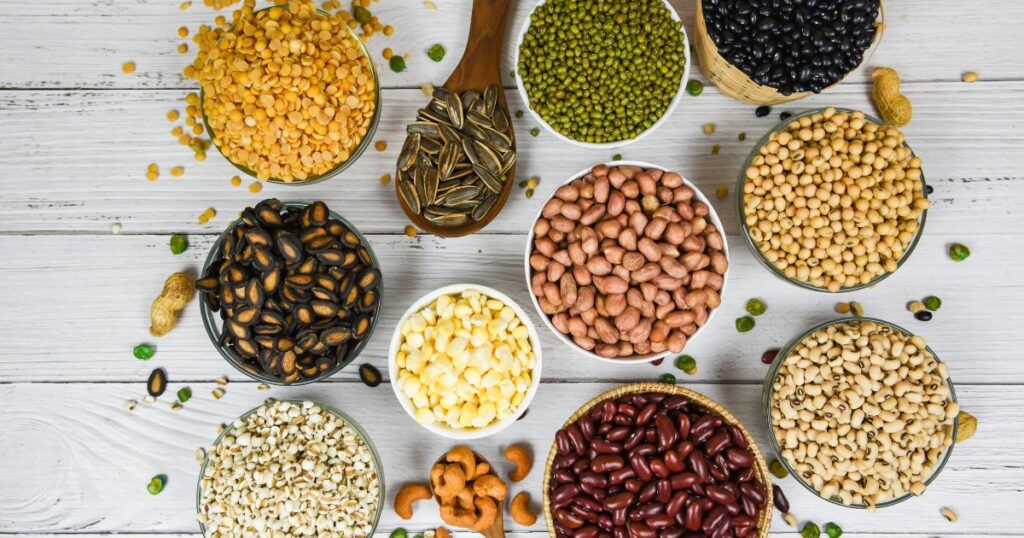
Oats are a nutritious whole grain that has become a popular part of breakfast and healthy eating patterns around the world. They can be prepared as porridge, added to smoothies, used in baked foods, or combined with fruits, nuts, seeds, yogurt, and other nutritious ingredients.
Oats are particularly well known for their dietary fiber, including a type of soluble fiber called beta-glucan. They also provide complex carbohydrates, plant-based protein, vitamins, minerals, and naturally occurring plant compounds. Regularly including oats in a balanced diet may support digestive health, heart health, healthy cholesterol levels, blood sugar management, and feelings of fullness.
However, not all oat products are nutritionally identical. Plain rolled oats, steel-cut oats, and oat groats are different from highly sweetened instant oatmeal products that may contain added sugars and other ingredients.

This guide explains what oats are, their nutritional value, health benefits, different types of oats, and how to include them in a healthy diet.
What Are Oats?
Oats are whole grains obtained from the oat plant, scientifically known as Avena sativa. They are commonly eaten after being processed into forms such as:
- Oat groats
- Steel-cut oats
- Rolled oats
- Quick oats
- Instant oats
- Oat flour
- Oat bran
Although these products come from the same grain, they differ in how much the grain has been processed and how quickly they cook. Oats have a naturally mild, slightly nutty flavor, making them versatile enough for both sweet and savory meals.
Facts About Oats
| Fact | Information |
|---|---|
| What are oats? | A whole grain that provides carbohydrates, fiber, protein, vitamins, minerals, and plant compounds |
| What are oats especially rich in? | Dietary fiber, including beta-glucan |
| Are oats a whole grain? | Yes. Minimally processed oat forms contain the whole grain |
| Do oats contain protein? | Yes. Oats provide more protein than many other common grains |
| Do oats contain beta-glucan? | Yes. Beta-glucan is an important soluble fiber found in oats |
| Can oats support heart health? | They can contribute to a heart-healthy dietary pattern, particularly because of their soluble fiber |
| Can oats support digestion? | Their fiber can support normal bowel function |
| Are oats suitable for people with diabetes? | Plain oats can fit into many balanced eating patterns, but portions and preparation matter |
| Are instant oats unhealthy? | Not necessarily. Plain instant oats can be nutritious, but some flavored varieties contain substantial added sugar |
| Are oats naturally gluten-free? | Oats do not naturally contain gluten, but they can be contaminated during processing unless specifically certified gluten-free |
Oat Nutrition
Oats provide a combination of carbohydrates, fiber, protein, healthy fats, vitamins, minerals, and plant compounds. A typical serving of dry oats can provide:
- Complex carbohydrates
- Dietary fiber
- Protein
- Iron
- Magnesium
- Phosphorus
- Zinc
- Manganese
- Copper
- Vitamin B1
- Small amounts of other B vitamins
The exact nutritional content depends on the variety, serving size, and preparation. Oats are also relatively rich in a group of plant compounds called avenanthramides, which are particularly characteristic of oats.
Nutrients Found in Oats
Beta-Glucan
Beta-glucan is one of the most important components of oats. It is a type of soluble dietary fiber that forms a viscous, gel-like substance when mixed with water.
Beta-glucan has been extensively studied for its effects on:
- Cholesterol
- Blood glucose
- Digestive health
- Feelings of fullness
This makes oats particularly valuable among whole grains.
Dietary Fiber
Oats contain both soluble and insoluble fiber. Fiber can help:
- Support regular bowel movements
- Promote digestive health
- Increase feelings of fullness
- Support healthy cholesterol levels
- Contribute to healthy blood glucose regulation
A diet containing adequate fiber is an important part of overall health.
Protein
Oats contain plant-based protein. Compared with many other grains, oats provide a relatively useful amount of protein.
However, if you need a substantial amount of protein in a meal, combining oats with foods such as yogurt, milk, nuts, seeds, eggs, or other protein-rich foods can create a more balanced meal.
Manganese
Oats are a good source of manganese. Manganese is involved in:
- Normal metabolism
- Bone development
- Antioxidant defense
- Connective tissue formation
Magnesium
Oats provide magnesium, a mineral involved in many processes throughout the body. Magnesium supports:
- Muscle function
- Nerve function
- Energy metabolism
- Normal blood glucose regulation
- Bone health
Iron
Oats contain iron, which contributes to:
- Hemoglobin production
- Oxygen transport
- Normal energy metabolism
The amount of iron absorbed from plant foods can vary, so consuming a varied diet is important for meeting iron requirements.
Phosphorus
Phosphorus contributes to:
- Healthy bones and teeth
- Energy metabolism
- Cell membranes
- Genetic material
Oats can contribute to daily phosphorus intake.
Avenanthramides
Avenanthramides are naturally occurring compounds found in oats. They have antioxidant and other biological properties and are one reason oats are of particular interest in nutrition research.
Health Benefits of Oats
Supports Heart Health
One of the best-known nutritional benefits of oats is their potential contribution to cardiovascular health. The soluble fiber beta-glucan can help support healthy cholesterol levels.
Regularly consuming foods containing soluble fiber may contribute to a heart-healthy dietary pattern However, oats are not a treatment for heart disease.
Heart health also depends on factors such as blood pressure, physical activity, smoking, overall diet, sleep, cholesterol, genetics, and other health conditions.
May Help Support Healthy Cholesterol Levels
Beta-glucan can interact with bile acids in the digestive system and influence cholesterol metabolism.
Regular consumption of sufficient amounts of oat beta-glucan has been associated with improvements in certain cholesterol measures. The effect is one part of the overall benefits of a high-fiber eating pattern.
If you have high cholesterol, oats should complement rather than replace medical treatment prescribed by a healthcare professional.
Supports Digestive Health
The fiber in oats helps support normal bowel function. Fiber adds bulk to stool and can help maintain regularity. Oats also provide fermentable fiber that can be used by bacteria in the large intestine.
A varied, fiber-rich diet can therefore contribute to a healthier digestive environment.
May Help With Constipation
Increasing dietary fiber can help many people maintain regular bowel movements. Oats can contribute to daily fiber intake and may be useful as part of a diet designed to support digestive regularity.
However, fiber should be increased gradually and accompanied by adequate fluid intake. Persistent constipation, especially when associated with pain, bleeding, unexplained weight changes, or other concerning symptoms, should be medically evaluated.
May Support Blood Sugar Management
Oats contain complex carbohydrates and soluble fiber.
Beta-glucan can slow the digestion and absorption of carbohydrates, which may help moderate blood glucose responses after meals. However, the effect depends on:
- Portion size
- Type of oats
- Cooking method
- Other foods in the meal
- Individual metabolism
Plain oats are generally a better choice than highly sweetened oatmeal products. People with diabetes should follow individualized dietary advice from their healthcare professional.
Supports Feelings of Fullness
Oats can be satisfying because they contain fiber and protein. Beta-glucan forms a viscous substance in the digestive tract, which can contribute to feelings of fullness.
A bowl of oats can become even more balanced when combined with:
- Fruit
- Nuts
- Seeds
- Yogurt
- Milk
- Nut butter
This can provide a combination of fiber, protein, healthy fats, and carbohydrates.
May Support Healthy Weight Management
Oats can fit well into a balanced diet for people trying to maintain a healthy weight. Their fiber and protein content may help with fullness, potentially making it easier to manage overall food intake.
However, oats do not directly burn fat or cause weight loss. Healthy weight management depends on the overall eating pattern and many other factors.
Supports Energy Production
Oats provide carbohydrates, which are an important source of energy. Because oats are a whole grain and contain fiber, they can provide a more sustained source of carbohydrate than many refined grain products.
Adding protein and healthy fats can make an oat-based meal more nutritionally balanced.
Supports Bone and Muscle Health
Oats provide minerals such as magnesium, phosphorus, and manganese. These nutrients contribute to normal bone and muscle function.
However, healthy bones require a broader combination of nutrients, including adequate calcium and vitamin D.
Provides Antioxidant Compounds
Oats contain avenanthramides and other plant compounds with antioxidant properties. These compounds contribute to the nutritional value of oats and are one reason whole grains are an important part of a varied diet.
Types of Oats
1. Oat Groats
Oat groats are the whole oat kernels after the inedible outer hull has been removed.
They are minimally processed and take longer to cook. They have a chewy texture and nutty flavor.
2. Steel-Cut Oats
Steel-cut oats are oat groats that have been chopped into smaller pieces.
They are less processed than rolled oats and have a firm, chewy texture. They generally take longer to cook.
3. Rolled Oats
Rolled oats are steamed and flattened. This makes them cook more quickly than steel-cut oats while still retaining the nutritional components of the whole grain. They are commonly used for:
- Porridge
- Overnight oats
- Granola
- Baking
- Smoothies
4. Quick Oats
Quick oats are processed into thinner pieces or flakes so that they cook more quickly. They can still be nutritious, particularly when purchased plain.
5. Instant Oats
Instant oats are more highly processed to reduce cooking time. Plain instant oats can still provide fiber and nutrients. However, flavored instant oatmeal may contain added sugars, salt, or other ingredients.
Check the nutrition label rather than assuming all instant oats are unhealthy.
6. Oat Bran
Oat bran is the outer portion of the oat grain. It is particularly rich in dietary fiber, including beta-glucan. It can be added to:
- Porridge
- Yogurt
- Smoothies
- Baked foods
Steel-Cut Oats vs Rolled Oats
Both can be nutritious whole-grain choices.
| Steel-Cut Oats | Rolled Oats |
|---|---|
| Oat groats chopped into pieces | Oat groats steamed and flattened |
| Chewier texture | Softer texture |
| Longer cooking time | Faster cooking |
| Less processed | More processed than steel-cut |
| Rich in fiber and nutrients | Rich in fiber and nutrients |
| Useful for porridge | Useful for porridge, overnight oats, baking, and more |
The nutritional difference between them is not large enough to make one universally superior. Choose the type that fits your preferences and routine.
Are Instant Oats Healthy?
Plain instant oats can be a nutritious choice. Processing changes their texture and cooking time but does not automatically make them unhealthy. The main concern is often what has been added to flavored instant oatmeal.
Some products may contain:
- Added sugar
- Syrups
- Artificial flavors
- High amounts of sodium
If you prefer instant oats, choose plain versions and add your own:
- Fruit
- Cinnamon
- Nuts
- Seeds
- Plain yogurt
This gives you more control over the ingredients.
Oatmeal vs Oat-Based Cereals
Not every food containing oats has the same nutritional value. A bowl of plain oatmeal topped with fruit and nuts is very different from a highly processed oat cereal containing substantial amounts of added sugar.
When buying oat products, check:
- Fiber content
- Added sugar
- Sodium
- Portion size
- Ingredient list
How to Prepare Healthy Oatmeal
A nutritious bowl of oatmeal can be simple.
Start with:
Oats + milk or water + fruit + nuts or seeds
You can add:
- Bananas
- Apples
- Berries
- Chia seeds
- Flaxseeds
- Walnuts
- Almonds
- Plain yogurt
- Cinnamon
- Peanut or other nut butter
This combination can provide carbohydrates, protein, fiber, healthy fats, vitamins, and minerals.
Overnight Oats
Overnight oats are prepared by soaking oats in liquid rather than cooking them over heat. Common ingredients include:
- Rolled oats
- Milk
- Yogurt
- Chia seeds
- Fruit
- Nuts
They are convenient because they can be prepared in advance and refrigerated.
Oats and Gluten
Oats are naturally gluten-free. However, oats may come into contact with wheat, barley, or rye during farming, transportation, or processing.
People with celiac disease or medically diagnosed gluten sensitivity may therefore need oats that are specifically labeled gluten-free. It is important to follow individualized medical advice when managing celiac disease.
Possible Side Effects of Oats
Oats are generally well tolerated. However, some people may experience:
- Bloating
- Gas
- Abdominal discomfort
- Changes in bowel movements
These symptoms may occur when someone suddenly increases their fiber intake.
People with celiac disease may also need to use certified gluten-free oats to avoid gluten contamination.
Oat Allergy
An allergy to oats is uncommon but possible. Symptoms of a food allergy may include:
- Itching
- Hives
- Swelling
- Vomiting
- Abdominal symptoms
- Difficulty breathing
People with a known food allergy should follow medical advice regarding foods to avoid. Difficulty breathing or swelling of the throat requires urgent medical attention.
People that Should Be Careful With Oats?
Most people can safely eat oats. However, you may need additional dietary guidance if you:
- Have celiac disease
- Have a diagnosed food allergy
- Have significant digestive symptoms after eating oats
- Need to carefully manage carbohydrate intake
- Have a medical condition requiring a specialized diet
A qualified healthcare professional or registered dietitian can help determine the most appropriate dietary choices.
How to Make Oats More Nutritious
Plain oats provide a good nutritional foundation.
You can increase the nutritional value of an oat-based meal by adding:
Fruit
Provides vitamins, minerals, fiber, and natural sweetness.
Nuts and Seeds
Provide healthy fats, protein, minerals, and additional fiber.
Yogurt
Adds protein and calcium.
Milk
Provides protein and, depending on the type, calcium and vitamin D.
Cinnamon and Other Spices
Can add flavor without relying heavily on added sugar.
Myth vs. Fact
| Myth | Fact |
|---|---|
| Oats are only useful for breakfast. | Oats can be used in smoothies, baked foods, savory dishes, snacks, and many other meals. |
| All oatmeal is equally healthy. | Plain oats and heavily sweetened flavored oatmeal can have very different nutritional profiles. |
| Instant oats are completely unhealthy. | Plain instant oats can still be nutritious; added ingredients are often the bigger concern. |
| Oats automatically lower cholesterol no matter how they are eaten. | Oat beta-glucan can support healthy cholesterol levels when consumed in sufficient amounts as part of an appropriate diet. |
| Oats cause weight loss. | Oats can support fullness, but weight management depends on the overall diet and many other factors. |
| Oats are high in unhealthy fat. | Oats contain mostly unsaturated fats and are naturally low in saturated fat. |
| Oats contain no protein. | Oats provide plant-based protein. |
| Oats are always gluten-free. | Oats themselves do not naturally contain gluten, but cross-contact can occur during processing. |
| You should avoid oats if you have diabetes. | Plain oats can fit into many diabetes-friendly eating patterns when portions and preparation are appropriate. |
| More oats are always better. | Oats are nutritious, but excessive fiber can cause digestive discomfort, especially when introduced suddenly. |
Frequently Asked Questions
What are the health benefits of oats?
Oats provide fiber, beta-glucan, protein, minerals, and plant compounds. They can support digestive health, healthy cholesterol levels, heart health, fullness, and overall nutrition.
Are oats good for the heart?
Yes. Oats contain beta-glucan, a soluble fiber that can help support healthy cholesterol levels and contribute to a heart-healthy diet.
Are oats good for people with diabetes?
Plain oats can be part of a balanced diet for many people with diabetes. The type of oats, serving size, toppings, and overall meal composition matter.
Are instant oats healthy?
Plain instant oats can be nutritious. Flavored varieties may contain added sugar or other ingredients, so checking the nutrition label is important.
Conclusion
Oats are a nutritious whole grain that can make a valuable contribution to a balanced diet. They provide dietary fiber, beta-glucan, plant-based protein, minerals, healthy fats, and naturally occurring plant compounds.
One of their best-known benefits is their soluble fiber, particularly beta-glucan, which can support healthy cholesterol levels and contribute to cardiovascular health. Their fiber content also supports digestion, regular bowel movements, and feelings of fullness.
Oats are available in several forms, including oat groats, steel-cut oats, rolled oats, quick oats, instant oats, and oat bran. Plain versions generally provide a strong nutritional foundation, while flavored products may contain significant amounts of added sugar or other ingredients.
You do not need to choose the most minimally processed oats every time. Steel-cut, rolled, and plain instant oats can all fit into a healthy diet. What matters most is the overall nutritional quality of your meal and dietary pattern.
Adding fruits, nuts, seeds, yogurt, or milk can turn a simple bowl of oats into a more balanced meal containing fiber, protein, healthy fats, vitamins, and minerals.
Whether you enjoy traditional oatmeal, overnight oats, oat-based snacks, or oats incorporated into other meals, this versatile whole grain can be a simple and affordable way to support healthy eating.
Recommended External References
Readers seeking additional information can consult:
- Harvard T.H. Chan School of Public Health. Fiber.
https://nutritionsource.hsph.harvard.edu/carbohydrates/fiber/ - National Institutes of Health – Office of Dietary Supplements. Iron Fact Sheet for Consumers.
https://ods.od.nih.gov/factsheets/Iron-Consumer/ - U.S. Food and Drug Administration (FDA).
https://www.fda.gov/food/food-labeling-nutrition/health-claim-notification-oat-products-and-risk-coronary-heart-disease
Disclaimer
This article is for educational purposes only and should not replace professional medical advice, diagnosis, or treatment. Oats can be part of a healthy diet for most people, but individual nutritional needs vary. People with celiac disease, food allergies, diabetes, digestive disorders, or other medical conditions may have specific dietary considerations. If you have concerns about adding oats to your diet or how they may affect your health, consult a qualified healthcare professional or registered dietitian.
Reviewed and Written by the HealthVineHub Medical Editorial Team
This article was prepared by an experienced medical content writer and reviewed using current nutrition and scientific information from reputable public health, nutrition, and medical organizations. Our editorial team is committed to producing accurate, evidence-based, reader-friendly health information that supports informed healthcare decisions.