Whole grains are important part of a healthy, balanced diet and provide many nutrients that support overall health. Unlike refined grains, whole grains contain all three parts of the grain kernel—the bran, germ, and endosperm—making them naturally rich in fiber, vitamins, minerals, antioxidants, and beneficial plant compounds.
Eating whole grains regularly has been linked to a lower risk of heart disease, type 2 diabetes, obesity, certain cancers, and digestive disorders. They also provide long-lasting energy and help support healthy blood sugar levels, making them an excellent choice for people of all ages.
Despite these benefits, many people eat far more refined grains than whole grains. Replacing refined grains with whole-grain alternatives is one of the simplest dietary changes that can improve overall health.
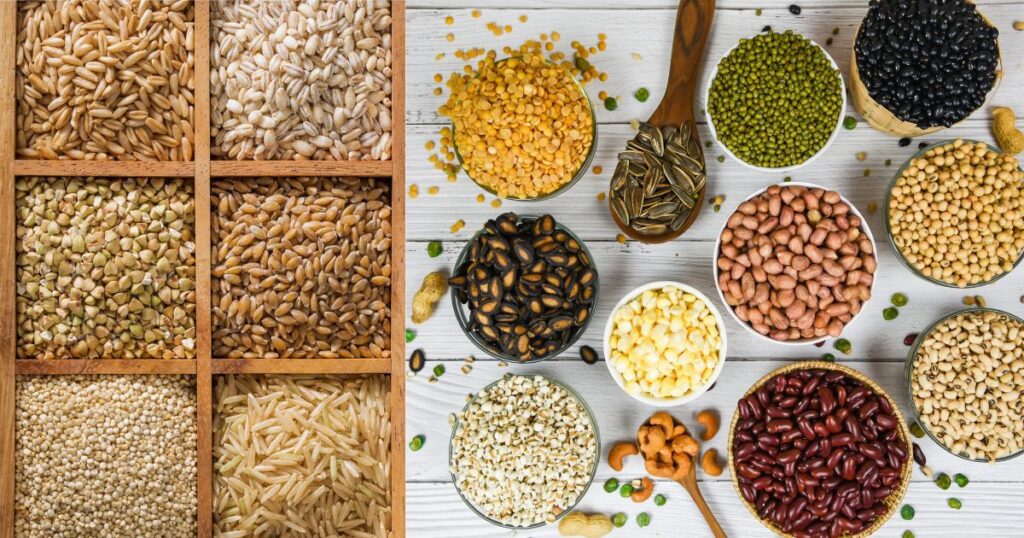
This guide explains what whole grains are, their nutritional value, evidence-based health benefits, and practical ways to include more whole grains in your diet.
What Are Whole Grains?
Whole grains are grains that contain all three edible parts of the grain kernel:
- Bran – the fiber-rich outer layer
- Germ – the nutrient-rich core containing healthy fats, vitamins, and minerals
- Endosperm – the starchy middle layer that provides carbohydrates and protein
Unlike refined grains, whole grains retain these components during processing, preserving more nutrients and fiber. Examples of whole grains include:
- Oats
- Brown rice
- Whole wheat
- Barley
- Quinoa
- Millet
- Sorghum
- Rye
- Buckwheat
- Brown Rice
- Popcorn
- Wild Rice
- Red & Black Rice
Quick Facts About Whole Grains
| Fact | Information |
|---|---|
| What are whole grains? | Grains that contain the bran, germ, and endosperm |
| Rich in | Fiber, B vitamins, iron, magnesium, selenium, and antioxidants |
| Naturally low in | Added sugar and saturated fat |
| Help reduce the risk of | Heart disease, type 2 diabetes, obesity, and colorectal cancer |
| Best choice | Choose products labeled “100% whole grain” or “100% whole wheat” when possible |
Nutritional Value of Whole Grains
Whole grains provide:
- Dietary fiber
- Complex carbohydrates
- Protein
- B vitamins
- Vitamin E
- Iron
- Magnesium
- Zinc
- Selenium
- Manganese
- Phosphorus
- Antioxidants
- Phytochemicals
Different whole grains have slightly different nutrient profiles, so variety is beneficial.
Whole Grains vs. Refined Grains
| Whole Grains | Refined Grains |
|---|---|
| Contain bran, germ, and endosperm | Bran and germ removed during processing |
| Higher in fiber | Lower in fiber |
| Rich in vitamins and minerals | Many nutrients removed during refining |
| Digest more slowly | Digest more quickly |
| Better for blood sugar control | May cause quicker rises in blood sugar |
Examples of refined grains include:
- White bread
- White rice
- Regular pasta
- Many breakfast cereals made with refined flour
Benefits of Eating Whole Grains
1. Whole Grains Support Heart Health
Whole grains are strongly associated with a lower risk of cardiovascular disease. They support heart health by:
- Helping lower LDL (“bad”) cholesterol
- Providing soluble fiber
- Supporting healthy blood pressure
- Reducing inflammation
- Improving blood vessel function
Examples include:
- Oats
- Barley
- Whole wheat
- Brown rice
2. Improve Digestive Health
Whole grains are an excellent source of dietary fiber. Fiber helps:
- Promote regular bowel movements
- Prevent constipation
- Support beneficial gut bacteria
- Improve digestive function
A healthy digestive system contributes to overall well-being.
3. Help Maintain Healthy Blood Sugar Levels
Whole grains digest more slowly than refined grains. This slower digestion helps:
- Reduce rapid spikes in blood sugar
- Improve insulin sensitivity
- Increase feelings of fullness
People with diabetes can often include whole grains as part of a balanced meal plan, though portion sizes should be individualized.
4. Support Healthy Weight Management
Whole grains are filling because they contain:
- Fiber
- Complex carbohydrates
- Protein
These nutrients help increase satiety and may reduce overeating.
Replacing refined grains with whole grains may support healthy weight management as part of an overall balanced diet.
5. Reduce the Risk of Type 2 Diabetes
Research suggests that people who regularly consume whole grains have a lower risk of developing type 2 diabetes. This benefit is likely due to:
- Higher fiber intake
- Better blood sugar control
- Improved insulin sensitivity
Whole grains are one component of a healthy dietary pattern that supports metabolic health.
6. Promote Gut Health
Fiber found in whole grains acts as food for beneficial gut bacteria. A healthy gut microbiome supports:
- Digestion
- Immune function
- Production of certain vitamins
- Overall digestive health
Examples of fiber-rich whole grains include oats, barley, and rye.
7. Lower the Risk of Certain Cancers
Research indicates that diets rich in whole grains may help reduce the risk of certain cancers, particularly colorectal cancer. Possible reasons include:
- Higher fiber intake
- Beneficial plant compounds
- Improved digestive health
Whole grains should be viewed as part of an overall healthy dietary pattern rather than a single protective food.
8. Provide Long-Lasting Energy
Whole grains contain complex carbohydrates that are digested gradually. This provides:
- Steady energy
- Improved concentration
- Better endurance during physical activity
Whole grains are an excellent source of fuel for both the brain and muscles.
9. Support Brain Health
Whole grains provide nutrients involved in normal brain function, including:
- B vitamins
- Magnesium
- Iron
Their steady release of carbohydrates also helps provide a consistent source of energy for the brain.
Best Whole Grains to Include in Your Diet
| Whole Grain | Key Nutrients | Main Benefits |
|---|---|---|
| Oats | Soluble fiber, magnesium | Heart and digestive health |
| Brown rice | Fiber, manganese | Blood sugar and digestive health |
| Whole wheat | Fiber, B vitamins | Energy and digestive health |
| Barley | Beta-glucan fiber | Heart health |
| Quinoa | Protein, magnesium | Muscle and bone health |
| Millet | Magnesium, phosphorus | Heart and nerve health |
| Rye | Fiber | Digestive health |
| Sorghum | Antioxidants | Heart and metabolic health |
| Buckwheat | Protein, magnesium | Heart health |
| Popcorn (air-popped) | Fiber | Healthy snack option |
How Much Whole Grain Should You Eat?
Many dietary guidelines recommend making at least half of your daily grain intake whole grains. Examples include:
- Whole wheat bread
- Brown rice instead of white rice
- Oatmeal instead of sugary cereals
- Whole grain pasta
- Whole grain crackers
Gradually increasing whole grain intake may help improve digestion.
Easy Ways to Eat More Whole Grains
Simple ways include:
- Choose oatmeal for breakfast.
- Replace white rice with brown rice.
- Choose whole wheat bread.
- Try quinoa in salads.
- Snack on air-popped popcorn.
- Use whole wheat pasta.
- Add barley to soups.
- Experiment with millet or sorghum.
Note:
Whole grains are safe for most people. However:
- People with celiac disease should avoid wheat, barley, and rye because they contain gluten.
- People with non-celiac gluten sensitivity may also need to avoid certain grains.
- Individuals with digestive disorders may need to increase fiber gradually to reduce bloating.
If you have a medical condition affecting your diet, seek personalized advice from a healthcare professional or registered dietitian.
Myth vs. Fact
| Myth | Fact |
|---|---|
| Brown-colored bread is always whole grain. | Some brown breads are colored with molasses or caramel; check the label for “100% whole grain” or “100% whole wheat.” |
| Whole grains are only for weight loss. | Whole grains support heart, digestive, metabolic, and overall health. |
| Whole grains contain no carbohydrates. | Whole grains are rich in healthy complex carbohydrates that provide energy. |
| Gluten-free means whole grain. | Gluten-free products are not necessarily whole grain. |
| Whole grains are difficult to prepare. | Many whole grains cook easily and can replace refined grains in everyday meals. |
Frequently Asked Questions
Why are whole grains healthier than refined grains?
Whole grains contain more fiber, vitamins, minerals, and beneficial plant compounds because they are less processed.
Which whole grains are the healthiest?
There is no single healthiest whole grain. Oats, barley, quinoa, brown rice, whole wheat, millet, rye, and sorghum are all nutritious choices.
Can people with diabetes eat whole grains?
Yes. Whole grains can be part of a healthy eating plan for many people with diabetes because they digest more slowly than refined grains. Portion sizes and carbohydrate intake should be individualized.
Are oats considered whole grains?
Yes. Plain rolled oats, steel-cut oats, and oat groats are whole grains.
Conclusion
Whole grains are one of the foundations of a healthy diet, providing fiber, complex carbohydrates, vitamins, minerals, and antioxidants that support nearly every aspect of health. Regularly replacing refined grains with whole grains can improve heart health, support digestion, help maintain healthy blood sugar levels, promote a healthy weight, and reduce the risk of several chronic diseases.
Rather than relying on a single type of grain, aim to enjoy a variety of whole grains throughout the week. Choosing foods such as oats, brown rice, quinoa, barley, and whole wheat products is a simple yet powerful step toward improving your long-term health and overall well-being.
Recommended External References
Readers seeking more information can consult organizations such as:
- World Health Organization. (2025). Healthy Diet. https://www.who.int/news-room/fact-sheets/detail/healthy-diet
- U.S. Department of Agriculture. (2025). MyPlate: Grains. https://www.myplate.gov/eat-healthy/grains
- Whole Grains Council. (2025). Whole Grains 101. https://wholegrainscouncil.org/
- Harvard T.H. Chan School of Public Health. (2025). The Nutrition Source: Whole Grains. https://www.hsph.harvard.edu/nutritionsource/
- Academy of Nutrition and Dietetics. (2025). Whole Grains and Health. https://www.eatright.org/
- National Institutes of Health – MedlinePlus. (2025). Healthy Eating. https://medlineplus.gov/healthyeating.html
- Mayo Clinic. (2025). Healthy Diet: Whole Grains. https://www.mayoclinic.org/
- National Health Service (NHS). (2025). Healthy Eating. https://www.nhs.uk/live-well/eat-well/
Disclaimer
This article is for educational purposes only and should not replace professional medical advice, diagnosis, or treatment. If you have celiac disease, non-celiac gluten sensitivity, inflammatory bowel disease, or another condition affecting your diet, consult your healthcare provider or a registered dietitian before making significant dietary changes.
Reviewed and written by the HealthVineHub Medical Editorial Team
This article was prepared by an experienced medical content writer and reviewed using guidance from leading public health organizations, including the World Health Organization (WHO), the Centers for Disease Control and Prevention (CDC), and other reputable medical sources. Our editorial team is committed to producing accurate, evidence-based, reader-friendly health information that supports informed healthcare decisions.
