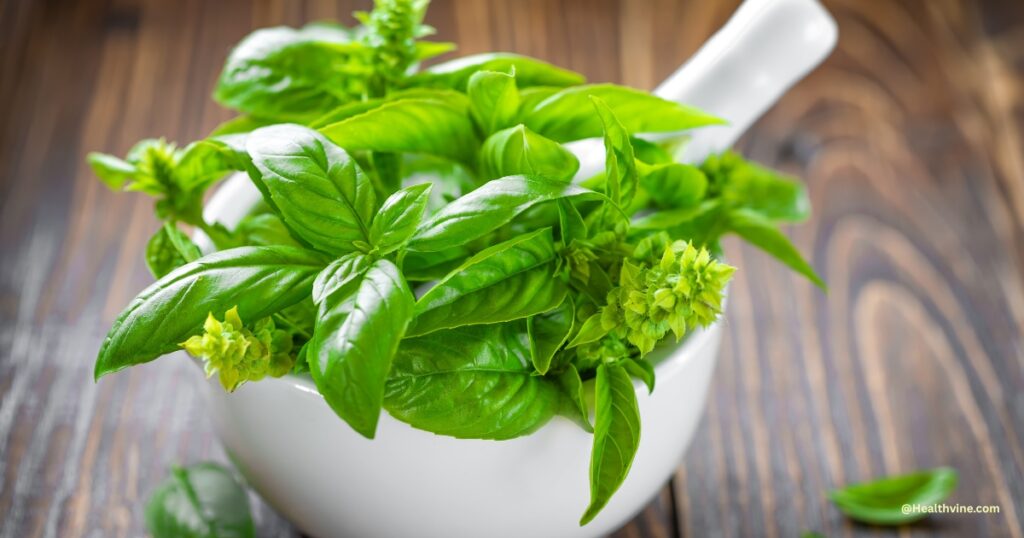
Herbs have been used for thousands of years in cooking, traditional medicine, and natural wellness practices. Today, they continue to play an important role in healthy diets and are commonly used to flavor foods, prepare herbal teas, and produce dietary supplements. Many herbs contain vitamins, minerals, antioxidants, and other natural plant compounds that may contribute to overall health.
Although herbs are often associated with natural healing, it is important to understand that “natural” does not always mean safe or effective. Some herbs have been studied extensively and may offer certain health benefits, while others have limited scientific evidence or may interact with medications.
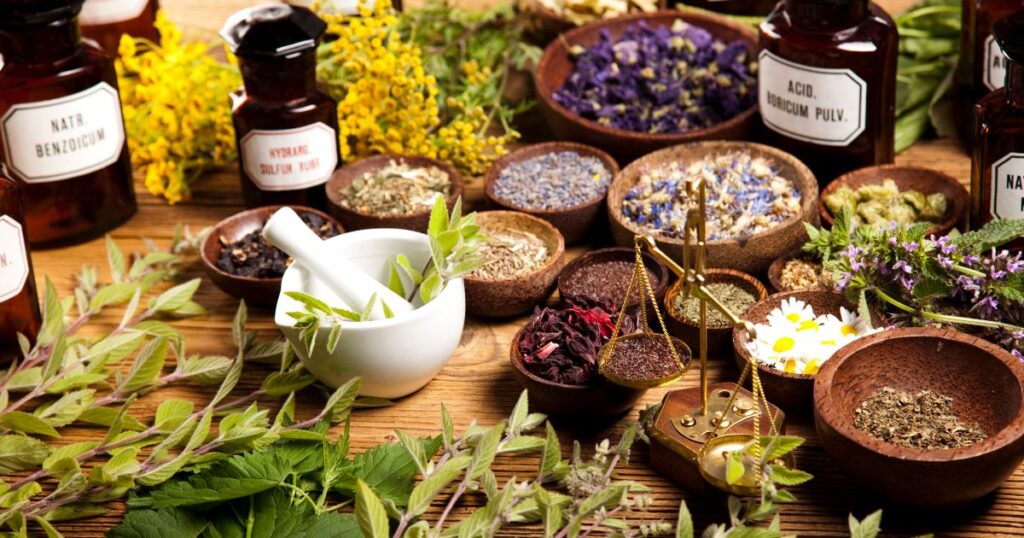
Learning what herbs are, how they are used, and how to use them safely can help you make informed decisions about incorporating them into your lifestyle.
This guide explains what herbs are, their nutritional value, common types, health benefits, different uses, safety considerations, and practical tips for choosing and using herbs wisely.
What Are Herbs?
Herbs are plants or parts of plants that are valued for their flavor, aroma, nutritional properties, or potential medicinal uses.
In cooking, herbs are commonly used to season foods and enhance flavor without adding excess salt or sugar.
In traditional and complementary medicine, certain herbs have long been used to support health or relieve symptoms of various conditions.
Herbs may come from:
- Leaves
- Flowers
- Seeds
- Roots
- Bark
- Stems
They may be used fresh, dried, powdered, or processed into teas, extracts, oils, capsules, or tinctures.
Quick Facts About Herbs
| Fact | Information |
|---|---|
| What are herbs? | Plants or plant parts used for flavor, aroma, nutrition, or traditional medicinal purposes |
| Common forms | Fresh, dried, teas, powders, capsules, extracts, oils |
| Rich in | Antioxidants, vitamins, minerals, and beneficial plant compounds |
| Can herbs replace medicines? | No. Herbs should not replace prescribed medical treatment without professional advice. |
| Are all herbs safe? | No. Some herbs may cause side effects or interact with medications. |
Herbs vs. Spices: What’s the Difference?
Although the terms are often used interchangeably, herbs and spices come from different parts of plants.
| Herbs | Spices |
|---|---|
| Usually come from the leaves of plants | Usually come from seeds, bark, roots, fruits, or flower buds |
| Often used fresh or dried | Usually dried before use |
| Examples: basil, parsley, mint | Examples: cinnamon, cloves, turmeric, black pepper |
Some plants, such as coriander (cilantro), provide both herbs and spices. The leaves are used as an herb, while the seeds are considered a spice.
Common Types of Herbs
Many herbs are used worldwide for cooking and traditional wellness. Common examples include:
- Basil
- Parsley
- Cilantro (coriander leaves)
- Mint
- Rosemary
- Thyme
- Sage
- Oregano
- Dill
- Chives
- Lemon balm
- Chamomile
- Peppermint
- Lavender
- Holy basil (Tulsi)
Each herb has its own unique flavor, aroma, and nutritional profile.
Nutritional Value of Herbs
Although herbs are often eaten in small amounts, they contain many beneficial nutrients.
Depending on the herb, these may include:
- Vitamin A
- Vitamin C
- Vitamin K
- Folate
- Calcium
- Iron
- Potassium
- Magnesium
- Antioxidants
- Flavonoids
- Polyphenols
- Essential oils
These plant compounds contribute to the flavor and potential health benefits of herbs.
Health Benefits of Herbs
1. Rich in Antioxidants
Many herbs contain antioxidants that help protect cells from damage caused by unstable molecules known as free radicals. Examples include:
- Rosemary
- Oregano
- Thyme
- Sage
Antioxidants contribute to overall health as part of a balanced diet.
2. Add Flavor Without Excess Salt
Fresh and dried herbs naturally enhance the flavor of foods.
Using herbs instead of excessive salt may help people reduce sodium intake while maintaining enjoyable meals. Examples include:
- Basil
- Parsley
- Thyme
- Dill
3. Support Heart Health
Some herbs contain plant compounds associated with cardiovascular health. For example:
- Garlic (commonly classified as both a culinary herb and medicinal plant)
- Basil
- Oregano
However, herbs should complement—not replace—other heart-healthy habits such as regular exercise and a balanced diet.
4. Support Digestive Health
Several herbs have traditionally been used to help relieve mild digestive discomfort. Examples include:
- Peppermint
- Ginger
- Chamomile
- Fennel
Scientific evidence varies depending on the herb and the condition being treated.
5. Support Immune Function
Herbs provide vitamins and antioxidants that contribute to normal immune system function as part of a healthy diet. Examples include:
- Parsley
- Oregano
- Thyme
No herb has been proven to prevent or cure infectious diseases on its own.
6. Provide Anti-Inflammatory Plant Compounds
Some herbs contain natural compounds that have demonstrated anti-inflammatory properties in laboratory or clinical studies. Examples include:
- Rosemary
- Turmeric
- Ginger
- Holy basil
More research is ongoing to understand their long-term effects in humans.
7. Support Healthy Blood Sugar
Some herbal products have been studied for their potential effects on blood sugar regulation. Examples include:
- Cinnamon
- Fenugreek
- Bitter melon
Current evidence is mixed, and these herbs should not replace prescribed diabetes medications.
8. Promote Relaxation and Better Sleep
Certain herbs are commonly used in herbal teas intended to promote relaxation. Examples include:
- Chamomile
- Lavender
- Lemon balm
Some studies suggest these herbs may help improve sleep quality in certain individuals, although responses vary.
9. May Support Brain Health
Some herbs are being studied for their possible effects on memory and cognitive function. Examples include:
- Sage
- Rosemary
- Ginkgo biloba
Evidence remains limited for many herbal supplements, and more research is needed.
10. Contribute to a Healthy Diet
Using herbs regularly encourages cooking with fresh ingredients and may reduce reliance on processed seasonings high in sodium or sugar.
Including herbs in meals is a simple way to add flavor and variety without increasing calories.
Common Ways Herbs Are Used
Herbs are used in many forms, including:
- Fresh herbs
- Dried herbs
- Herbal teas
- Seasonings
- Essential oils (for appropriate uses)
- Capsules
- Tablets
- Liquid extracts
- Tinctures
The safety and effectiveness of herbal supplements vary depending on the product and intended use.
Fresh vs. Dried Herbs
| Fresh Herbs | Dried Herbs |
|---|---|
| Brighter flavor | More concentrated flavor |
| Higher water content | Longer shelf life |
| Best for salads and garnishes | Excellent for soups, sauces, and stews |
| Require refrigeration | Store easily in a cool, dry place |
Both fresh and dried herbs can be nutritious additions to meals.
Are Herbs Safe?
Most culinary herbs are safe when used in normal amounts in food. However, concentrated herbal supplements may not be suitable for everyone.
How to Include More Herbs in Your Diet
Easy ways include:
- Add basil to pasta dishes.
- Sprinkle parsley over soups.
- Mix cilantro into salads.
- Brew chamomile tea.
- Add mint to water or fruit salads.
- Season vegetables with rosemary or thyme.
- Stir dill into yogurt-based sauces.
- Use oregano in tomato dishes.
Myth vs. Fact
| Myth | Fact |
|---|---|
| Natural herbs are always safe. | Natural products can still cause side effects and interact with medications. |
| Herbs can replace prescription medicines. | Herbs should not replace prescribed treatments without medical advice. |
| All herbal supplements are scientifically proven. | Evidence varies greatly among different herbs. |
| Fresh herbs are always healthier than dried herbs. | Both fresh and dried herbs provide valuable nutrients and plant compounds. |
| More herbs mean greater health benefits. | Larger amounts are not always better and may increase the risk of side effects. |
Frequently Asked Questions
What are herbs?
Herbs are plants or plant parts used for culinary, nutritional, or traditional medicinal purposes.
Are herbs good for your health?
Many herbs contain beneficial nutrients and antioxidants that contribute to overall health as part of a balanced diet.
Can herbs cure diseases?
No. While some herbs may support health or help relieve certain symptoms, they should not be considered cures for diseases or replacements for medical treatment.
What is the difference between herbs and spices?
Herbs generally come from the leaves of plants, while spices usually come from seeds, roots, bark, fruits, or flower buds.
Conclusion
Herbs have been valued for centuries for their culinary, nutritional, and traditional medicinal uses. Rich in antioxidants, vitamins, minerals, and beneficial plant compounds, they can enhance the flavor of foods while contributing to a healthy eating pattern. Many herbs also show promise in supporting digestion, heart health, immune function, and overall wellness, although scientific evidence varies depending on the specific herb and its intended use.
The safest and most evidence-based way to enjoy herbs is by incorporating a variety of fresh or dried herbs into everyday meals. If you are considering herbal supplements, consult a qualified healthcare professional to ensure they are appropriate for your health needs and do not interact with your medications. Used wisely, herbs can be a flavorful and nutritious addition to a balanced lifestyle.
Recommended External References
Readers seeking more information can consult organizations such as:
- World Health Organization. (2025). Traditional, Complementary and Integrative Medicine. https://www.who.int/
- National Center for Complementary and Integrative Health. (2025). Herbs at a Glance. https://www.nccih.nih.gov/
- National Institutes of Health – Office of Dietary Supplements. (2025). Dietary Supplements. https://ods.od.nih.gov/
- Academy of Nutrition and Dietetics. (2025). Healthy Eating with Herbs and Spices. https://www.eatright.org/
- Harvard T.H. Chan School of Public Health. (2025). The Nutrition Source. https://www.hsph.harvard.edu/nutritionsource/
- Mayo Clinic. (2025). Herbal Medicine. https://www.mayoclinic.org/
- National Health Service (NHS). (2025). Herbal Medicines. https://www.nhs.uk/
- European Medicines Agency. (2025). Herbal Medicinal Products. https://www.ema.europa.eu/
Disclaimer
This article is for educational purposes only and should not replace professional medical advice, diagnosis, or treatment. Herbs and herbal supplements may interact with prescription medications or may not be suitable for everyone. Always consult a qualified healthcare professional before using herbal products for medicinal purposes, especially if you are pregnant, breastfeeding, have a chronic medical condition, or are taking prescription medications.
Reviewed and written by the HealthVineHub Medical Editorial Team
This article was prepared by an experienced medical content writer and reviewed using guidance from leading public health organizations, including the World Health Organization (WHO), the Centers for Disease Control and Prevention (CDC), and other reputable medical sources. Our editorial team is committed to producing accurate, evidence-based, reader-friendly health information that supports informed healthcare decisions.