Plant foods are the foundation of a healthy diet and are recommended by health organizations worldwide as an essential part of daily nutrition. They provide the body with vitamins, minerals, fiber, antioxidants, healthy fats, and thousands of beneficial plant compounds that support overall health and help reduce the risk of many chronic diseases.
Unlike animal-based foods, plant foods come directly from plants and include fruits, vegetables, whole grains, legumes, nuts, seeds, herbs, and spices. These foods are naturally rich in nutrients while generally being lower in saturated fat and free of dietary cholesterol. Eating a wide variety of plant foods is associated with better heart health, improved digestion, healthier body weight, and a reduced risk of conditions such as type 2 diabetes and certain cancers.
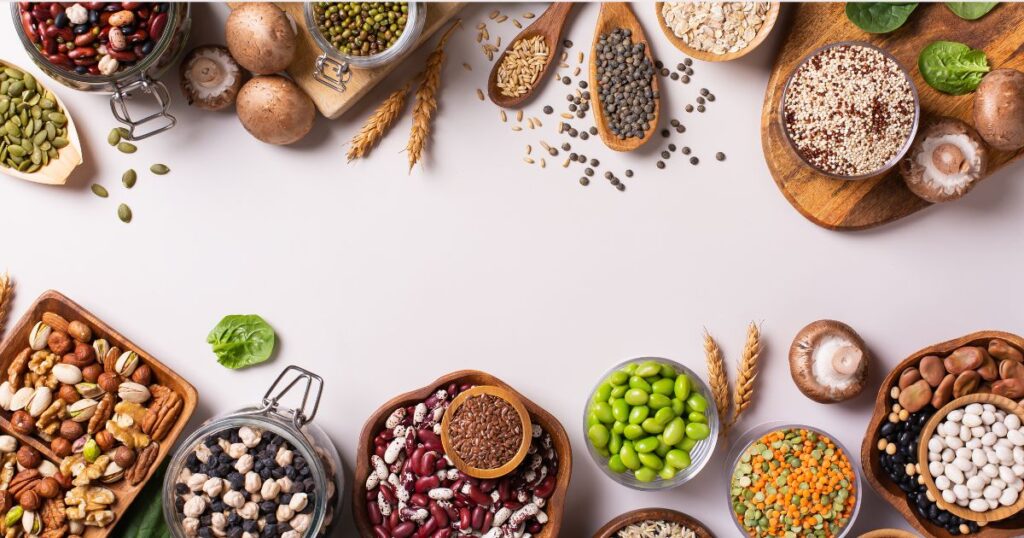
Whether you follow a vegetarian, vegan, flexitarian, or omnivorous diet, increasing your intake of plant foods can improve your nutritional quality and support long-term health.
This guide explains what plant foods are, their nutritional value, different types, health benefits, and practical ways to include more of them in your daily meals.
What Are Plant Foods?
Plant foods are foods that come directly from plants and are consumed as part of the human diet. they include edible parts of plants such as:
- Fruits
- Vegetables
- Whole grains
- Legumes
- Nuts
- Seeds
- Herbs
- Spices
These foods may be eaten fresh, frozen, dried, canned, cooked, or minimally processed.
Many plant foods are naturally rich in dietary fiber and beneficial plant compounds that are difficult to obtain in similar amounts from animal foods.
Quick Facts About Plant Foods
| Fact | Information |
|---|---|
| Source | Plants |
| Rich in | Fiber, vitamins, minerals, antioxidants, and phytochemicals |
| Naturally free of | Dietary cholesterol |
| Can support | Heart, digestive, immune, brain, and metabolic health |
| Best approach | Eat a wide variety of colorful plant foods every day |
Types of Plant Foods
Plant foods come in many forms, each providing unique nutrients.
Fruits
Examples include:
- Apples
- Bananas
- Oranges
- Berries
- Mangoes
- Papayas
Fruits provide:
- Vitamin C
- Fiber
- Potassium
- Antioxidants
Vegetables
Examples include:
- Spinach
- Broccoli
- Carrots
- Tomatoes
- Kale
- Bell peppers
Vegetables are excellent sources of:
- Vitamin A
- Vitamin C
- Vitamin K
- Folate
- Fiber
Whole Grains
Examples include:
- Brown rice
- Oats
- Whole wheat
- Barley
- Quinoa
- Millet
Whole grains provide:
- Fiber
- B vitamins
- Magnesium
- Iron
Legumes
Legumes include:
- Beans
- Lentils
- Chickpeas
- Peas
- Soybeans
They are rich in:
- Plant protein
- Fiber
- Iron
- Folate
Nuts
Examples include:
- Almonds
- Walnuts
- Pistachios
- Cashews
- Brazil nuts
Nuts provide:
- Healthy fats
- Protein
- Vitamin E
- Magnesium
Seeds
Examples include:
- Chia seeds
- Flaxseeds
- Pumpkin seeds
- Sunflower seeds
- Sesame seeds
Seeds contain:
- Healthy fats
- Fiber
- Protein
- Minerals
Herbs and Spices
Examples include:
- Basil
- Rosemary
- Turmeric
- Ginger
- Cinnamon
- Thyme
These foods contribute flavor while providing antioxidants and beneficial plant compounds.
Nutritional Value of Plant Foods
Plant foods provide a wide variety of essential nutrients. These include:
- Dietary fiber
- Vitamin A
- Vitamin C
- Vitamin E
- Vitamin K
- Folate
- Potassium
- Magnesium
- Calcium
- Iron
- Zinc
- Healthy fats
- Plant protein
- Complex carbohydrates
- Antioxidants
- Polyphenols
- Flavonoids
- Carotenoids
Each plant food contributes a unique combination of nutrients, making dietary variety important.
What Are Phytochemicals?
Phytochemicals are natural compounds produced by plants. Examples include:
- Flavonoids
- Polyphenols
- Carotenoids
- Lycopene
- Anthocyanins
These compounds help protect plants and may provide health benefits when consumed as part of a balanced diet.
Research on phytochemicals is ongoing, but diets rich in plant foods are consistently associated with better health outcomes.
Plant Foods vs. Processed Plant Foods
| Whole Plant Foods | Highly Processed Plant Foods |
|---|---|
| Fruits | Sugary fruit snacks |
| Vegetables | Potato chips |
| Whole grains | Refined white bread |
| Beans | Highly processed meat substitutes with excess sodium |
| Nuts | Sugar-coated nuts |
| Seeds | Highly sweetened snack bars |
Choose minimally processed plant foods whenever possible.
How to Eat More Plant Foods
Simple ways include:
- Fill half your plate with vegetables.
- Eat fruit as a snack.
- Choose whole grains instead of refined grains.
- Add beans to soups and salads.
- Snack on unsalted nuts.
- Sprinkle seeds over yogurt or oatmeal.
- Season meals with herbs and spices.
- Try one new vegetable each week.
Are Plant Foods Enough for Good Nutrition?
Plant foods provide most of the nutrients needed for good health.
However, people following strict vegan diets may need to pay special attention to nutrients such as:
- Vitamin B12
- Vitamin D
- Calcium
- Iron
- Zinc
- Iodine
- Omega-3 fatty acids
Some individuals may require fortified foods or supplements based on their dietary pattern and healthcare provider’s advice.
Myth vs. Fact
| Myth | Fact |
|---|---|
| Plant foods only include vegetables. | Plant foods include fruits, vegetables, grains, legumes, nuts, seeds, herbs, and spices. |
| Plant foods don’t provide protein. | Many plant foods, especially legumes, nuts, seeds, and whole grains, contain protein. |
| You must become vegetarian to benefit from plant foods. | Simply increasing the amount of plant foods in your diet can improve health. |
| Fresh plant foods are always healthier than frozen. | Frozen fruits and vegetables can be just as nutritious as fresh ones. |
| Plant foods cure diseases. | Plant foods support overall health and reduce disease risk but are not cures for medical conditions. |
Frequently Asked Questions
What are plant foods?
Plant foods are foods that come directly from plants, including fruits, vegetables, legumes, whole grains, nuts, seeds, herbs, and spices.
Why are plant foods important?
Plant foods provide fiber, vitamins, minerals, antioxidants, and beneficial plant compounds that support overall health and help reduce the risk of chronic diseases.
Do plant foods contain protein?
Yes. Legumes, soy foods, nuts, seeds, and whole grains all provide plant-based protein.
Can I eat plant foods if I’m not vegetarian?
Absolutely. Everyone can benefit from eating more plant foods, regardless of whether they also consume animal products.
Are processed plant foods healthy?
Some minimally processed plant foods, such as frozen vegetables and canned beans with no added salt, can be healthy. Highly processed foods high in added sugar, sodium, or unhealthy fats should be limited.
Conclusion
Plant foods are among the healthiest foods you can eat, providing an impressive range of nutrients that support heart health, digestion, immunity, brain function, healthy aging, and overall well-being. Fruits, vegetables, whole grains, legumes, nuts, seeds, herbs, and spices each contribute unique vitamins, minerals, fiber, antioxidants, and phytochemicals that work together to promote good health.
Rather than focusing on a single food, aim to build meals around a colorful variety of minimally processed plant foods every day. Whether you follow a vegetarian, vegan, or mixed diet, increasing your intake of plant foods is a practical and evidence-based way to improve nutrition and reduce the risk of many chronic diseases.
Recommended External References
Readers seeking more information can consult organizations such as:
- World Health Organization. (2025). Healthy Diet. https://www.who.int/news-room/fact-sheets/detail/healthy-diet
- Harvard T.H. Chan School of Public Health. (2025). The Nutrition Source: Healthy Eating Plate. https://www.hsph.harvard.edu/nutritionsource/
- Academy of Nutrition and Dietetics. (2025). Plant-Based Eating. https://www.eatright.org/
- U.S. Department of Agriculture. (2025). MyPlate. https://www.myplate.gov/
- National Institutes of Health – MedlinePlus. (2025). Healthy Eating. https://medlineplus.gov/healthyeating.html
- Mayo Clinic. (2025). Nutrition and Healthy Eating. https://www.mayoclinic.org/
- National Health Service (NHS). (2025). The Eatwell Guide. https://www.nhs.uk/live-well/eat-well/
- Food and Agriculture Organization of the United Nations (FAO). (2025). Healthy Diet. https://www.fao.org/
Disclaimer
This article is for educational purposes only and should not replace professional medical advice, diagnosis, or treatment. Nutritional needs vary from person to person based on age, health status, medications, and lifestyle. If you have a chronic medical condition or are considering major dietary changes, consult your healthcare provider or a registered dietitian for personalized advice.
Reviewed and written by the HealthVineHub Medical Editorial Team
This article was prepared by an experienced medical content writer and reviewed using guidance from leading public health organizations, including the World Health Organization (WHO), the Centers for Disease Control and Prevention (CDC), and other reputable medical sources. Our editorial team is committed to producing accurate, evidence-based, reader-friendly health information that supports informed healthcare decisions.