Vitamins are essential nutrients that the body needs to grow, develop, and function properly. Although they are required in relatively small amounts, vitamins play crucial roles in nearly every biological process, including energy production, immune function, vision, bone health, blood clotting, cell growth, and nervous system function.
Unlike carbohydrates, proteins, and fats, vitamins do not provide calories or energy. Instead, they help the body use the nutrients obtained from food efficiently. Because the human body cannot produce most vitamins in sufficient amounts, they must be obtained through a balanced diet or, in some cases, dietary supplements.
There are 13 essential vitamins, each with unique functions and health benefits. A deficiency in any one of these vitamins can lead to specific health problems, while excessive intake of certain vitamins—particularly through supplements—may also pose health risks.

This guide explains the 13 essential vitamins, their functions, food sources, and deficiency symptoms.
What Are Vitamins?
Vitamins are organic compounds required in small amounts for normal growth, metabolism, immune function, and overall health.
Each vitamin performs specific roles in the body, and no single vitamin can replace another.
The body obtains vitamins primarily from food, although sunlight helps the skin produce vitamin D, and small amounts of certain vitamins are produced by beneficial gut bacteria.
Quick Facts About Vitamins
| Fact | Information |
|---|---|
| Number of essential vitamins | 13 |
| Main function | Support normal body functions and metabolism |
| Best source | A balanced diet with a variety of nutrient-rich foods |
| Can the body store vitamins? | Fat-soluble vitamins can be stored; most water-soluble vitamins are not stored in large amounts |
| Are supplements always necessary? | No. Most healthy people can meet their needs through a balanced diet, though some individuals may benefit from supplements based on medical advice. |
The Two Types of Vitamins
The 13 vitamins are divided into two categories.
Fat-Soluble Vitamins
These vitamins dissolve in fat and can be stored in the body’s liver and fatty tissues. They include:
- Vitamin A
- Vitamin D
- Vitamin E
- Vitamin K
Because they are stored, excessive supplementation may increase the risk of toxicity.
Water-Soluble Vitamins
These vitamins dissolve in water and are generally not stored in large amounts.
Excess amounts are usually excreted in urine. They include:
- Vitamin C
- Vitamin B1 (Thiamine)
- Vitamin B2 (Riboflavin)
- Vitamin B3 (Niacin)
- Vitamin B5 (Pantothenic Acid)
- Vitamin B6 (Pyridoxine)
- Vitamin B7 (Biotin)
- Vitamin B9 (Folate)
- Vitamin B12 (Cobalamin)
Regular dietary intake is important because the body does not store most water-soluble vitamins efficiently.
The 13 Vitamins Explained
1. Vitamin A
Main Functions
Vitamin A supports:
- Normal vision
- Immune function
- Healthy skin
- Cell growth
- Reproductive health
Good Food Sources
- Liver
- Carrots
- Sweet potatoes
- Spinach
- Kale
- Eggs
- Dairy products
Deficiency Symptoms
- Night blindness
- Dry eyes
- Frequent infections
- Dry skin
2. Vitamin B1 (Thiamine)
Main Functions
- Converts food into energy
- Supports nerve function
- Maintains heart health
Food Sources
- Whole grains
- Pork
- Beans
- Nuts
- Seeds
Deficiency Symptoms
- Fatigue
- Muscle weakness
- Nerve problems
- Loss of appetite
3. Vitamin B2 (Riboflavin)
Main Functions
- Energy production
- Healthy skin
- Eye health
- Red blood cell production
Food Sources
- Milk
- Eggs
- Lean meats
- Almonds
- Mushrooms
Deficiency Symptoms
- Cracked lips
- Mouth sores
- Skin inflammation
- Eye irritation
4. Vitamin B3 (Niacin)
Main Functions
- Energy metabolism
- Nervous system function
- Healthy skin
- Digestive health
Food Sources
- Chicken
- Fish
- Peanuts
- Brown rice
- Whole grains
Deficiency Symptoms
- Skin rash
- Diarrhea
- Confusion
- Fatigue
5. Vitamin B5 (Pantothenic Acid)
Main Functions
- Energy production
- Hormone production
- Fat metabolism
Food Sources
- Chicken
- Eggs
- Mushrooms
- Whole grains
- Avocados
Deficiency Symptoms
Deficiency is rare but may cause:
- Fatigue
- Headache
- Numbness
- Irritability
6. Vitamin B6 (Pyridoxine)
Main Functions
- Brain development
- Immune function
- Protein metabolism
- Red blood cell production
Food Sources
- Fish
- Poultry
- Bananas
- Potatoes
- Chickpeas
Deficiency Symptoms
- Anemia
- Depression
- Skin rash
- Weakened immunity
7. Vitamin B7 (Biotin)
Main Functions
- Fat metabolism
- Carbohydrate metabolism
- Healthy hair
- Skin health
- Nail health
Food Sources
- Eggs
- Nuts
- Seeds
- Salmon
- Sweet potatoes
Deficiency Symptoms
- Hair thinning
- Skin rash
- Brittle nails
- Fatigue
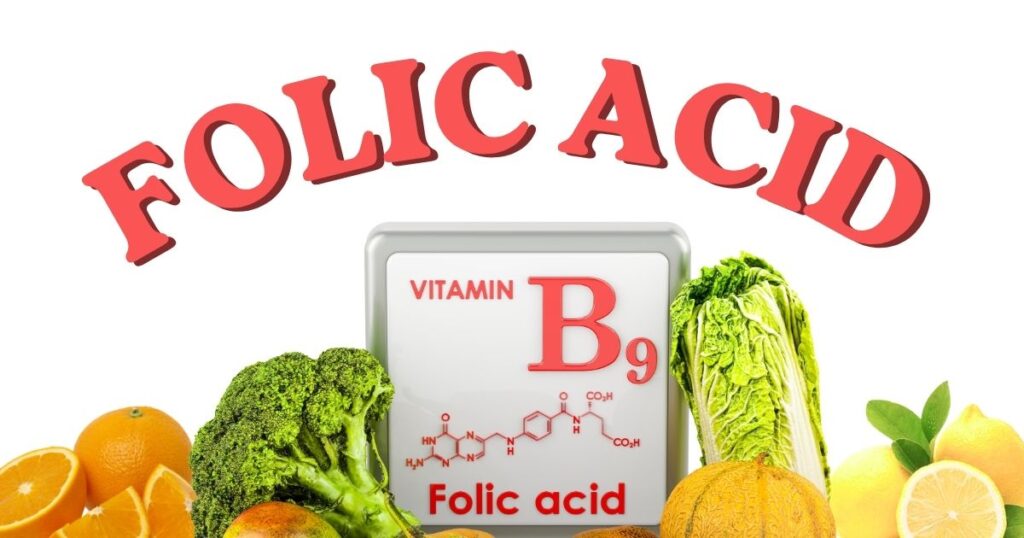
8. Vitamin B9 (Folate)
Main Functions
- DNA production
- Cell growth
- Red blood cell formation
- Healthy fetal development
Food Sources
- Leafy greens
- Beans
- Lentils
- Citrus fruits
- Fortified cereals
Deficiency Symptoms
- Anemia
- Fatigue
- Mouth sores
- Increased risk of neural tube defects during pregnancy
9. Vitamin B12 (Cobalamin)
Main Functions
- Nerve health
- DNA production
- Red blood cell formation
Food Sources
- Meat
- Fish
- Eggs
- Dairy products
- Fortified plant-based foods
Deficiency Symptoms
- Fatigue
- Numbness
- Memory problems
- Anemia
10. Vitamin C
Main Functions
- Supports immune function
- Collagen production
- Wound healing
- Antioxidant protection
- Iron absorption
Food Sources
- Oranges
- Guava
- Kiwi
- Strawberries
- Bell peppers
- Broccoli
Deficiency Symptoms
- Bleeding gums
- Poor wound healing
- Fatigue
- Easy bruising
11. Vitamin D
Main Functions
- Calcium absorption
- Bone health
- Muscle function
- Immune support
Food Sources
- Fatty fish
- Egg yolks
- Fortified milk
- Fortified cereals
The body also produces vitamin D when skin is exposed to sunlight.
Deficiency Symptoms
- Bone pain
- Muscle weakness
- Increased fracture risk
- Rickets in children
- Osteomalacia in adults
12. Vitamin E
Main Functions
- Antioxidant protection
- Immune support
- Skin health
Food Sources
- Almonds
- Sunflower seeds
- Spinach
- Vegetable oils
- Avocados
Deficiency Symptoms
Rare but may include:
- Muscle weakness
- Vision problems
- Nerve damage
13. Vitamin K
Main Functions
- Blood clotting
- Bone health
Food Sources
- Kale
- Spinach
- Broccoli
- Brussels sprouts
- Soybean oil
Deficiency Symptoms
- Easy bruising
- Excessive bleeding
- Poor blood clotting
Summary Table of the 13 Essential Vitamins
| Vitamin | Main Function | Rich Food Sources |
|---|---|---|
| Vitamin A | Vision, immunity | Carrots, liver, spinach |
| B1 | Energy, nerves | Whole grains, pork |
| B2 | Skin, energy | Milk, eggs |
| B3 | Metabolism | Fish, poultry |
| B5 | Hormones | Eggs, mushrooms |
| B6 | Brain, immunity | Bananas, fish |
| B7 | Hair, skin | Eggs, nuts |
| B9 | DNA, pregnancy | Leafy greens, beans |
| B12 | Nerves, blood | Meat, dairy |
| Vitamin C | Immunity | Citrus fruits, peppers |
| Vitamin D | Bones | Fish, sunlight |
| Vitamin E | Antioxidant | Nuts, seeds |
| Vitamin K | Blood clotting | Leafy greens |
Can You Get Enough Vitamins from Food?
Most healthy people can obtain adequate vitamins through a balanced diet that includes:
- Fruits
- Vegetables
- Whole grains
- Lean proteins
- Dairy or fortified alternatives
- Nuts
- Seeds
- Healthy fats
Certain groups may need supplements under medical guidance, including:
- Pregnant women
- Older adults
- Vegans (Vitamin B12)
- Individuals with certain digestive disorders
- People with diagnosed vitamin deficiencies
Can You Take Too Many Vitamins?
Yes. Although deficiencies are important to avoid, excessive intake—especially from supplements—can also be harmful.
Fat-soluble vitamins (A, D, E, and K) can accumulate in the body and may cause toxicity if consumed in excessive amounts.
Always follow recommended doses and consult a healthcare professional before taking high-dose supplements.
Signs of Vitamin Deficiency
Possible symptoms include:
- Fatigue
- Frequent infections
- Poor wound healing
- Hair loss
- Dry skin
- Brittle nails
- Vision changes
- Muscle weakness
- Numbness or tingling
- Anemia
These symptoms may have many causes, so medical evaluation is important.
Tips for Maintaining Healthy Vitamin Levels
To support adequate vitamin intake:
- Eat a colorful variety of fruits and vegetables.
- Choose whole grains over refined grains.
- Include lean proteins and healthy fats.
- Eat nuts and seeds regularly.
- Limit highly processed foods.
- Spend safe amounts of time outdoors for vitamin D, where appropriate.
- Take supplements only when recommended by a healthcare professional.
Myth vs. Fact
| Myth | Fact |
|---|---|
| More vitamins always mean better health. | Excessive vitamin intake can be harmful, especially from supplements. |
| Vitamin supplements can replace a healthy diet. | Supplements complement but do not replace a balanced diet. |
| All vitamins provide energy. | Vitamins help the body use energy from food but do not provide calories themselves. |
| Only older adults need vitamins. | People of all ages need vitamins for normal body function. |
| Natural supplements are always safe. | Natural products can still cause side effects or interact with medications. |
Frequently Asked Questions
What are the 13 essential vitamins?
The 13 essential vitamins are A, C, D, E, K, and the eight B vitamins: B1, B2, B3, B5, B6, B7, B9, and B12.
Which vitamin is most important?
All 13 vitamins are essential because each performs unique functions that cannot be replaced by another vitamin.
Can I get all my vitamins from food?
Most healthy people can meet their vitamin needs by eating a varied, balanced diet. Some individuals may require supplements based on age, health conditions, or dietary patterns.
What happens if I don’t get enough vitamins?
Vitamin deficiencies can lead to a range of health problems, including fatigue, anemia, weakened immunity, poor wound healing, nerve problems, and bone disorders, depending on the vitamin involved.
Conclusion
The 13 essential vitamins are vital for maintaining good health, supporting everything from vision and immunity to bone strength, brain function, energy metabolism, and healthy blood cells. Because each vitamin has a unique role, eating a balanced diet that includes a wide variety of fruits, vegetables, whole grains, lean proteins, dairy or fortified alternatives, nuts, and seeds is the best way to meet your nutritional needs.
While supplements can be beneficial for certain individuals with increased nutritional requirements or diagnosed deficiencies, they should complement—not replace—a healthy diet. By understanding the functions, food sources, and importance of each vitamin, you can make informed dietary choices that support lifelong health and well-being.
Recommended External References
Readers seeking more information can consult organizations such as:
- National Institutes of Health – Office of Dietary Supplements. (2025). Vitamin and Mineral Fact Sheets. https://ods.od.nih.gov/
- World Health Organization. (2025). Healthy Diet. https://www.who.int/news-room/fact-sheets/detail/healthy-diet
- National Institutes of Health – MedlinePlus. (2025). Vitamins. https://medlineplus.gov/vitamins.html
- Harvard T.H. Chan School of Public Health. (2025). The Nutrition Source: Vitamins. https://www.hsph.harvard.edu/nutritionsource/
- Academy of Nutrition and Dietetics. (2025). Vitamins and Minerals. https://www.eatright.org/
- Mayo Clinic. (2025). Vitamins and Supplements. https://www.mayoclinic.org/
- National Health Service (NHS). (2025). Vitamins and Minerals. https://www.nhs.uk/conditions/vitamins-and-minerals/
- Food and Agriculture Organization of the United Nations (FAO). (2025). Human Nutrition. https://www.fao.org/
Disclaimer
This article is for educational purposes only and should not replace professional medical advice, diagnosis, or treatment. If you suspect a vitamin deficiency or are considering taking vitamin supplements, consult a qualified healthcare professional or registered dietitian for personalized advice. Excessive intake of certain vitamins, especially through supplements, may be harmful.
Reviewed and written by the HealthVineHub Medical Editorial Team
This article was prepared by an experienced medical content writer and reviewed using guidance from leading public health organizations, including the World Health Organization (WHO), the Centers for Disease Control and Prevention (CDC), and other reputable medical sources. Our editorial team is committed to producing accurate, evidence-based, reader-friendly health information that supports informed healthcare decisions.