Minerals are essential nutrients that the body needs to function properly. Although they are required in relatively small amounts, minerals play vital roles in maintaining healthy bones, muscles, nerves, the heart, immune system, and countless other bodily processes. Unlike vitamins, minerals are inorganic substances that come from the soil and water, entering the food chain through plants and animals.
Your body cannot produce minerals on its own, which means they must be obtained through a balanced diet or, in certain cases, dietary supplements. A deficiency or excess of specific minerals can affect growth, energy production, fluid balance, bone health, and many other aspects of health.
There are two main categories of minerals: major (macrominerals), which the body needs in larger amounts, and trace (microminerals), which are required in smaller quantities but are equally important.
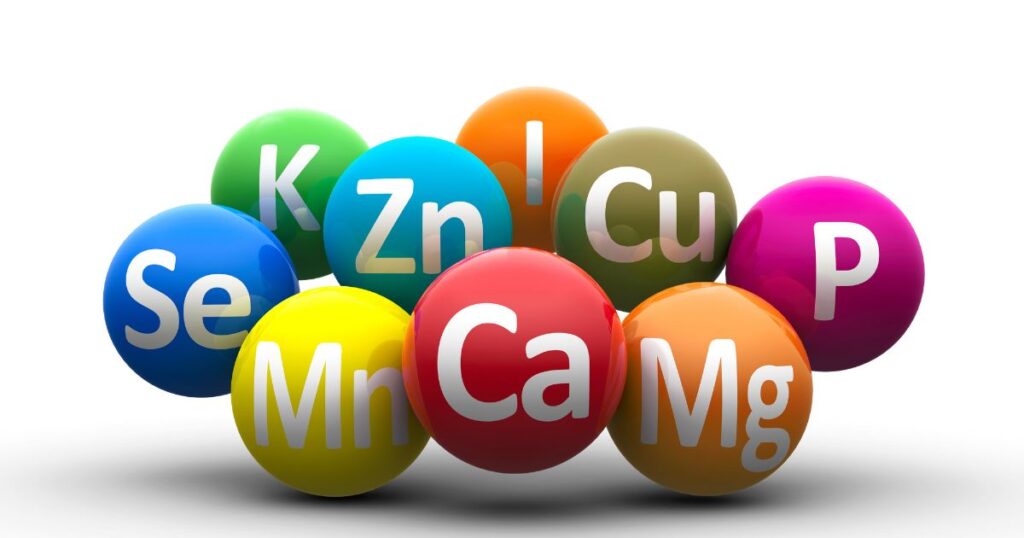
This guide explains the essential minerals, their functions, food sources, health benefits, deficiency symptoms, and tips for maintaining healthy mineral levels.
What Are Minerals?
Minerals are naturally occurring inorganic nutrients that are essential for normal growth, development, metabolism, and overall health. They help the body:
- Build strong bones and teeth
- Produce hormones
- Regulate heartbeat
- Support muscle contraction
- Maintain nerve function
- Produce red blood cells
- Balance body fluids
- Strengthen the immune system
Since the body cannot manufacture minerals, they must come from food or supplements when medically necessary.
Quick Facts About Minerals
| Fact | Information |
|---|---|
| What are minerals? | Essential inorganic nutrients needed for normal body function |
| Main categories | Major minerals and trace minerals |
| Best source | A varied, balanced diet |
| Do minerals provide energy? | No, but they help the body use energy from food |
| Can too much be harmful? | Yes. Both deficiencies and excessive intake may cause health problems. |
Types of Essential Minerals
Minerals are divided into two categories.
Major Minerals (Macrominerals)
These are needed in larger amounts. They include:
- Calcium
- Phosphorus
- Magnesium
- Sodium
- Potassium
- Chloride
- Sulfur
Trace Minerals (Microminerals)
These are needed in smaller amounts but are equally important. They include:
- Iron
- Zinc
- Iodine
- Selenium
- Copper
- Manganese
- Fluoride
- Chromium
- Molybdenum
Major Minerals Explained
1. Calcium
Main Functions
Calcium is the most abundant mineral in the body. It helps:
- Build strong bones and teeth
- Support muscle contraction
- Maintain normal nerve function
- Assist blood clotting
- Regulate heart rhythm
Good Food Sources
- Milk
- Yogurt
- Cheese
- Sardines
- Tofu fortified with calcium
- Kale
- Broccoli
Deficiency Symptoms
- Weak bones
- Muscle cramps
- Numbness
- Increased risk of osteoporosis
2. Phosphorus
Main Functions
Phosphorus helps:
- Build bones and teeth
- Produce energy
- Form DNA and RNA
- Support cell growth
Food Sources
- Dairy products
- Meat
- Fish
- Eggs
- Beans
- Whole grains
Deficiency Symptoms
Rare but may include:
- Weakness
- Bone pain
- Poor appetite
3. Magnesium
Main Functions
Magnesium supports:
- Muscle function
- Nerve function
- Energy production
- Bone health
- Blood sugar regulation
- Heart rhythm
Food Sources
- Spinach
- Almonds
- Pumpkin seeds
- Black beans
- Whole grains
- Avocados
Deficiency Symptoms
- Muscle cramps
- Fatigue
- Weakness
- Irregular heartbeat
4. Potassium
Main Functions
Potassium helps:
- Regulate fluid balance
- Support muscle contraction
- Maintain healthy blood pressure
- Support nerve function
Food Sources
- Bananas
- Potatoes
- Sweet potatoes
- Beans
- Spinach
- Oranges
Deficiency Symptoms
- Muscle weakness
- Fatigue
- Muscle cramps
- Irregular heartbeat
5. Sodium
Main Functions
Sodium is essential for:
- Fluid balance
- Nerve signaling
- Muscle contraction
Food Sources
- Table salt
- Bread
- Cheese
- Processed foods
Deficiency Symptoms
Although uncommon, low sodium levels may cause:
- Headache
- Nausea
- Confusion
- Muscle cramps
Excess sodium intake is far more common and may contribute to high blood pressure in some people.
6. Chloride
Main Functions
Chloride helps:
- Maintain fluid balance
- Support digestion by forming stomach acid
- Maintain acid-base balance
Food Sources
- Table salt
- Seaweed
- Tomatoes
- Olives
Deficiency Symptoms
Rare but may include:
- Weakness
- Dehydration
- Digestive problems
7. Sulfur
Main Functions
Sulfur is involved in:
- Protein structure
- Healthy skin
- Hair growth
- Nail health
- Connective tissue formation
Food Sources
- Eggs
- Garlic
- Onions
- Beans
- Meat
- Fish
Deficiency Symptoms
Sulfur deficiency is extremely rare in healthy individuals.
Trace Minerals Explained
8. Iron
Main Functions
Iron helps:
- Produce hemoglobin
- Transport oxygen
- Support energy production
- Maintain immune function
Food Sources
- Red meat
- Poultry
- Fish
- Lentils
- Spinach
- Fortified cereals
Deficiency Symptoms
- Fatigue
- Pale skin
- Weakness
- Shortness of breath
- Iron-deficiency anemia
9. Zinc
Main Functions
Zinc supports:
- Immune function
- Wound healing
- Growth and development
- DNA synthesis
- Sense of taste and smell
Food Sources
- Oysters
- Beef
- Pumpkin seeds
- Beans
- Dairy products
Deficiency Symptoms
- Poor wound healing
- Frequent infections
- Hair loss
- Reduced appetite
10. Iodine
Main Functions
Iodine is needed for:
- Thyroid hormone production
- Growth
- Brain development
- Metabolism
Food Sources
- Iodized salt
- Seafood
- Dairy products
- Seaweed
Deficiency Symptoms
- Goiter
- Fatigue
- Weight gain
- Hypothyroidism
11. Selenium
Main Functions
Selenium supports:
- Antioxidant protection
- Thyroid function
- Immune health
Food Sources
- Brazil nuts
- Tuna
- Eggs
- Poultry
- Whole grains
Deficiency Symptoms
Rare but may include:
- Muscle weakness
- Fatigue
- Weakened immunity
12. Copper
Main Functions
Copper helps:
- Produce red blood cells
- Form connective tissue
- Support nerve function
- Aid iron metabolism
Food Sources
- Shellfish
- Nuts
- Seeds
- Whole grains
- Organ meats
Deficiency Symptoms
- Fatigue
- Anemia
- Weak bones
- Frequent infections
13. Manganese
Main Functions
Manganese supports:
- Bone formation
- Energy metabolism
- Antioxidant activity
Food Sources
- Whole grains
- Nuts
- Tea
- Leafy vegetables
Deficiency Symptoms
Rare but may include:
- Poor bone growth
- Weakness
14. Fluoride
Main Functions
Fluoride helps:
- Strengthen tooth enamel
- Reduce tooth decay
- Support bone mineralization
Food Sources
- Fluoridated drinking water
- Tea
- Fish
Deficiency Symptoms
- Increased risk of dental cavities
15. Chromium
Main Functions
Chromium helps:
- Support insulin function
- Aid carbohydrate metabolism
- Assist fat metabolism
Food Sources
- Whole grains
- Broccoli
- Beef
- Grapes
Deficiency Symptoms
Deficiency is rare but may affect blood sugar regulation.
16. Molybdenum
Main Functions
Molybdenum helps activate enzymes involved in:
- Protein metabolism
- Detoxification
- Sulfur amino acid metabolism
Food Sources
- Legumes
- Whole grains
- Nuts
- Milk
Deficiency Symptoms
Molybdenum deficiency is extremely rare.
Summary Table of Essential Minerals
| Mineral | Main Function | Rich Food Sources |
|---|---|---|
| Calcium | Bones, muscles | Dairy, kale |
| Phosphorus | Bones, energy | Meat, dairy |
| Magnesium | Muscles, nerves | Nuts, spinach |
| Potassium | Blood pressure | Bananas, potatoes |
| Sodium | Fluid balance | Salt, processed foods |
| Chloride | Digestion | Salt, tomatoes |
| Sulfur | Skin, hair | Eggs, onions |
| Iron | Oxygen transport | Meat, beans |
| Zinc | Immunity | Oysters, seeds |
| Iodine | Thyroid | Seafood, iodized salt |
| Selenium | Antioxidant | Brazil nuts |
| Copper | Blood cells | Shellfish, nuts |
| Manganese | Bones | Whole grains |
| Fluoride | Teeth | Fluoridated water |
| Chromium | Blood sugar | Broccoli, grains |
| Molybdenum | Enzymes | Legumes, grains |
Can You Get Enough Minerals from Food?
Most healthy people can meet their mineral needs by eating a varied diet that includes:
- Fruits
- Vegetables
- Whole grains
- Legumes
- Dairy or fortified alternatives
- Lean proteins
- Seafood
- Nuts
- Seeds
Certain people may require supplements, including:
- Pregnant women
- Older adults
- Individuals with digestive disorders
- People with diagnosed mineral deficiencies
Supplements should only be used under professional guidance.
Can You Consume Too Many Minerals?
Yes. Both deficiency and excessive intake can affect health. For example:
- Too much sodium may contribute to high blood pressure.
- Excess iron supplements can damage organs.
- Excess calcium supplements may increase the risk of kidney stones in some individuals.
- Too much selenium can cause hair loss, brittle nails, and digestive symptoms.
Avoid taking high-dose mineral supplements unless recommended by a healthcare professional.
Signs of Mineral Deficiency
Possible symptoms include:
- Fatigue
- Muscle cramps
- Weak bones
- Poor wound healing
- Frequent infections
- Hair loss
- Brittle nails
- Irregular heartbeat
- Weakness
- Difficulty concentrating
Because these symptoms can have many causes, consult a healthcare provider for proper evaluation.
Tips for Maintaining Healthy Mineral Levels
To support adequate mineral intake:
- Eat a wide variety of whole foods.
- Include dairy or fortified alternatives.
- Consume leafy green vegetables regularly.
- Include seafood when appropriate.
- Eat legumes, nuts, and seeds.
- Choose whole grains over refined grains.
- Limit highly processed foods that are high in sodium.
- Use supplements only when medically recommended.
Myth vs. Fact
| Myth | Fact |
|---|---|
| Minerals and vitamins are the same. | Minerals are inorganic nutrients, while vitamins are organic compounds. |
| More minerals are always better. | Excess intake of certain minerals can be harmful. |
| Supplements are better than food. | Whole foods remain the best source of most minerals. |
| Only calcium matters for bones. | Magnesium, phosphorus, vitamin D, and other nutrients also support bone health. |
| Healthy people never develop mineral deficiencies. | Dietary patterns, medical conditions, and certain medications can increase the risk of deficiencies. |
Frequently Asked Questions
What are essential minerals?
Essential minerals are inorganic nutrients the body needs for normal growth, metabolism, bone health, muscle function, nerve signaling, and many other biological processes.
What is the difference between major and trace minerals?
Major minerals are required in larger amounts, while trace minerals are needed in much smaller quantities. Both are essential for good health.
Which mineral is most important?
There is no single most important mineral. Each essential mineral has unique functions that support different parts of the body.
What are the signs of mineral deficiency?
Common symptoms include fatigue, muscle cramps, weak bones, poor wound healing, anemia, frequent infections, and irregular heartbeat, depending on the specific mineral involved.
Conclusion
Essential minerals are fundamental to nearly every function in the human body, from maintaining strong bones and healthy muscles to supporting the immune system, heart, brain, and metabolism. Although required in small amounts, deficiencies or excesses can have significant effects on health.
The best way to obtain essential minerals is through a varied, balanced diet rich in fruits, vegetables, whole grains, legumes, lean proteins, dairy or fortified alternatives, nuts, and seeds. While supplements may be necessary for some individuals, they should be used only when recommended by a healthcare professional. Understanding the roles of each mineral can help you make informed dietary choices that support lifelong health and well-being.
Recommended External References
Readers seeking more information can consult organizations such as:
- National Institutes of Health – Office of Dietary Supplements. (2025). Dietary Supplement Fact Sheets. https://ods.od.nih.gov/
- World Health Organization. (2025). Healthy Diet. https://www.who.int/news-room/fact-sheets/detail/healthy-diet
- National Institutes of Health – MedlinePlus. (2025). Minerals. https://medlineplus.gov/
- Harvard T.H. Chan School of Public Health. (2025). The Nutrition Source. https://www.hsph.harvard.edu/nutritionsource/
- Academy of Nutrition and Dietetics. (2025). Vitamins and Minerals. https://www.eatright.org/
- Mayo Clinic. (2025). Nutrition and Healthy Eating. https://www.mayoclinic.org/
- National Health Service (NHS). (2025). Vitamins and Minerals. https://www.nhs.uk/conditions/vitamins-and-minerals/
- Food and Agriculture Organization of the United Nations (FAO). (2025). Human Nutrition. https://www.fao.org/
Disclaimer
This article is for educational purposes only and should not replace professional medical advice, diagnosis, or treatment. If you suspect a mineral deficiency, have a chronic medical condition, or are considering mineral supplements, consult a qualified healthcare professional or registered dietitian. Excessive intake of certain minerals through supplements can be harmful.
Reviewed and written by the HealthVineHub Medical Editorial Team
This article was prepared by an experienced medical content writer and reviewed using guidance from leading public health organizations, including the World Health Organization (WHO), the Centers for Disease Control and Prevention (CDC), and other reputable medical sources. Our editorial team is committed to producing accurate, evidence-based, reader-friendly health information that supports informed healthcare decisions.