Dietary supplements have become increasingly popular as people look for ways to support their health, fill nutritional gaps, and manage specific health concerns. Available in many forms—including tablets, capsules, powders, gummies, and liquids—dietary supplements can provide vitamins, minerals, herbs, amino acids, probiotics, and other nutrients that may complement a healthy diet.
While supplements can be beneficial for certain individuals, they are not intended to replace a balanced diet or cure diseases. Most healthy people can meet their nutritional needs by eating a varied diet rich in fruits, vegetables, whole grains, lean proteins, healthy fats, and dairy or fortified alternatives. However, some people may require supplements due to age, pregnancy, medical conditions, dietary restrictions, or diagnosed nutrient deficiencies.

Understanding what dietary supplements are, their benefits, limitations, and potential risks can help you make informed decisions about whether they are appropriate for your health needs.
This guide explains dietary supplements, the different types available, their uses, benefits, safety considerations, and tips for choosing high-quality products.
What Are Dietary Supplements?
Dietary supplements are products intended to supplement the diet by providing nutrients or other substances that may support health. They may contain one or more ingredients such as:
Dietary supplements are available without a prescription in many countries, although regulations vary.
They are designed to supplement—not replace—a healthy diet.
Quick Facts About Dietary Supplements
| Fact | Information |
|---|---|
| What are dietary supplements? | Products that provide nutrients or other substances to supplement the diet |
| Common forms | Tablets, capsules, powders, gummies, liquids, softgels |
| Can they replace healthy food? | No. Supplements should complement a balanced diet. |
| Who may benefit? | People with nutrient deficiencies or increased nutritional needs |
| Should everyone take supplements? | No. Many healthy people obtain sufficient nutrients through food alone. |
Types of Dietary Supplements
Dietary supplements include many different categories.
Vitamin Supplements
These provide one or more vitamins. Examples include:
- Vitamin C
- Vitamin D
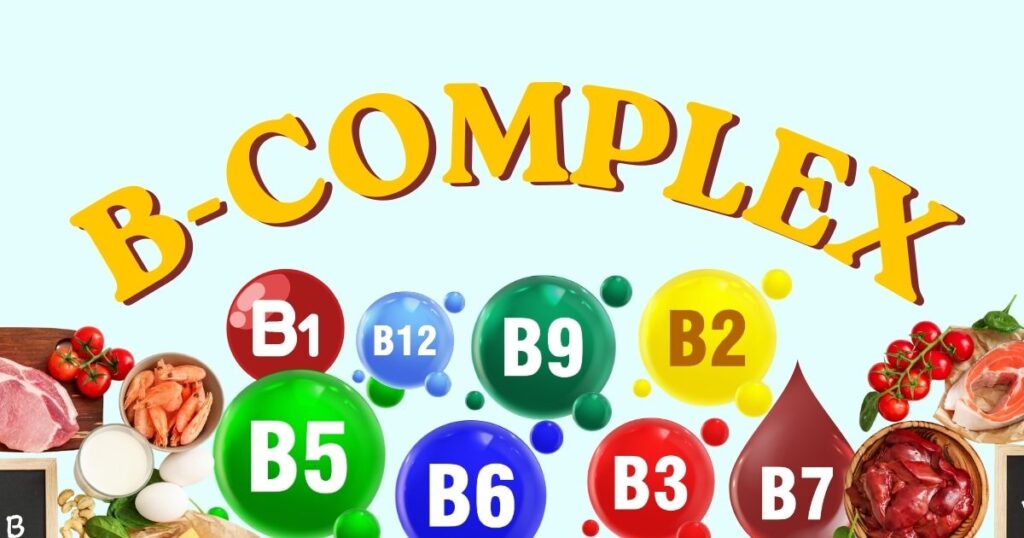
- Vitamin B12
- Vitamin A
- Vitamin E
- Multivitamins
Mineral Supplements
These provide essential minerals such as:
- Calcium
- Iron
- Magnesium
- Zinc
- Potassium
- Selenium
Herbal Supplements
Made from plants or plant extracts. Examples include:
- Turmeric
- Ginger
- Ginseng
- Echinacea
- Ginkgo biloba
- Milk thistle
Scientific evidence varies depending on the herb.
Protein Supplements
Often used to help meet protein needs. Examples include:
- Whey protein
- Soy protein
- Pea protein
- Rice protein
- Casein protein
Omega-3 Supplements
Usually contain:
- Fish oil
- Algal oil
- Krill oil
These supplements provide omega-3 fatty acids such as EPA and DHA.
Probiotic Supplements
Contain live microorganisms intended to support the balance of beneficial bacteria in the gut.
Different probiotic strains may have different effects.
Fiber Supplements
Common examples include:
- Psyllium husk
- Inulin
- Methylcellulose
These may help increase dietary fiber intake.
Amino Acid Supplements
Examples include:
- L-glutamine
- Branched-chain amino acids (BCAAs)
- L-arginine
They are commonly used in sports nutrition and certain clinical situations.
Why Do People Take Dietary Supplements?
People use supplements for many reasons. These include:
- Correcting nutrient deficiencies
- Supporting bone health
- Supporting immune function
- Maintaining heart health
- Supporting pregnancy
- Supporting healthy aging
- Following vegetarian or vegan diets
- Managing certain medical conditions under professional guidance
The need for supplements depends on individual circumstances.
Who May Benefit from Dietary Supplements?
Certain groups are more likely to benefit from supplementation. These include:
Pregnant Women
Healthcare providers often recommend:
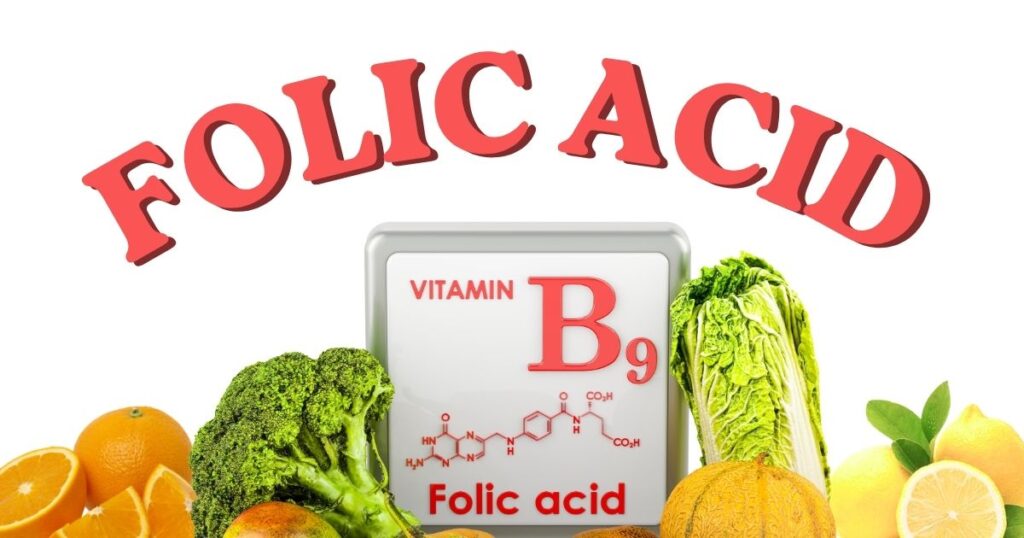
- Folic acid
- Iron
- Prenatal multivitamins
These nutrients support fetal growth and development.
Older Adults
Some older adults may benefit from:
- Vitamin D
- Calcium
- Vitamin B12
Requirements vary based on health status and dietary intake.
Vegans and Vegetarians
People following plant-based diets may need to pay special attention to:
- Vitamin B12
- Vitamin D
- Iron
- Zinc
- Calcium
- Omega-3 fatty acids
- Iodine
Not everyone following these diets requires supplements, but individual assessment is important.
People with Certain Medical Conditions
Some conditions affect nutrient absorption or increase nutritional requirements. Examples include:
- Celiac disease
- Crohn’s disease
- Bariatric surgery
- Chronic kidney disease (under medical supervision)
Supplements should only be taken according to professional advice.
Potential Benefits of Dietary Supplements
1. Help Correct Nutrient Deficiencies
Supplements can restore nutrient levels in people with medically confirmed deficiencies. Examples include:
- Iron for iron-deficiency anemia
- Vitamin D for vitamin D deficiency
- Vitamin B12 for deficiency due to dietary or absorption issues
2. Support Bone Health
Calcium and vitamin D work together to support healthy bones.
These supplements may be recommended for individuals at increased risk of osteoporosis or inadequate dietary intake.
3. Support Pregnancy
Prenatal supplements help provide nutrients needed during pregnancy.
Folic acid is especially important before conception and during early pregnancy to reduce the risk of neural tube defects.
4. Support Immune Function
Some vitamins and minerals, including vitamin C, vitamin D, and zinc, play important roles in normal immune function.
Supplements may be helpful for individuals with deficiencies but should not be considered treatments for infections.
5. Support Healthy Aging
Certain supplements may help address nutritional needs that become more common with age, particularly when dietary intake is insufficient.
Are Dietary Supplements Safe?
Many dietary supplements are safe when used appropriately.
However, supplements can also pose risks. Possible concerns include:
- Allergic reactions
- Side effects
- Drug interactions
- Excessive nutrient intake
- Contamination in poorly manufactured products
Natural products are not automatically safe.
Possible Risks of Taking Supplements
Potential risks include:
Taking Too Much
High doses of certain vitamins or minerals can cause toxicity. Examples include:
- Vitamin A
- Vitamin D
- Iron
- Selenium
Drug Interactions
Some supplements interact with medications. Examples include:
- St. John’s wort
- Ginkgo biloba
- Garlic supplements
- Vitamin K
Always tell your healthcare provider about all supplements you take.
Poor Product Quality
The quality of supplements varies between manufacturers.
Choose products that have undergone independent quality testing whenever possible.
How to Choose a High-Quality Supplement
Before buying a supplement:
- Purchase from reputable manufacturers.
- Check the ingredient list.
- Follow the recommended dosage.
- Avoid products making unrealistic health claims.
- Check the expiry date
- Look for third-party quality testing when available.
- Consult a healthcare professional if you have medical conditions or take medications.
Food vs. Supplements
| Nutrients from Food | Nutrients from Supplements |
|---|---|
| Provide fiber and beneficial plant compounds | Usually contain isolated nutrients |
| Better absorbed in many cases | Useful when dietary intake is inadequate |
| Lower risk of excessive intake | Higher risk of overconsumption if misused |
| Support overall dietary quality | Designed to complement, not replace, healthy eating |
Whenever possible, obtain nutrients from food first.
When Should You Talk to a Doctor?
Speak with a healthcare professional before taking supplements if you:
- Are pregnant or breastfeeding
- Have a chronic medical condition
- Take prescription medications
- Have kidney or liver disease
- Are planning surgery
- Suspect a nutrient deficiency
Professional guidance helps ensure supplements are appropriate and safe.
Myth vs. Fact
| Myth | Fact |
|---|---|
| Supplements can replace healthy eating. | Supplements are designed to complement, not replace, a balanced diet. |
| Natural supplements are always safe. | Natural products can still cause side effects and drug interactions. |
| More supplements provide better health. | Taking excessive amounts of certain nutrients can be harmful. |
| Everyone needs a multivitamin. | Many healthy people obtain sufficient nutrients through food alone. |
| All supplements are tested like prescription medicines. | Supplement regulations vary, and product quality can differ between manufacturers. |
Frequently Asked Questions
What are dietary supplements?
Dietary supplements are products that provide vitamins, minerals, herbs, amino acids, probiotics, or other nutrients to supplement the diet.
Who should take dietary supplements?
Supplements may benefit people with diagnosed nutrient deficiencies, pregnant women, older adults, individuals with certain medical conditions, or those with increased nutritional needs. They should be used based on individual assessment.
Are dietary supplements safe?
Many supplements are safe when used correctly, but some can cause side effects, interact with medications, or be harmful if taken in excessive amounts.
Can supplements replace healthy food?
No. Whole foods provide fiber, antioxidants, and many beneficial compounds that supplements cannot fully replicate.
How do I know if I need a supplement?
Consult a healthcare professional. Blood tests, dietary assessment, and your medical history can help determine whether supplementation is appropriate.
Conclusion
Dietary supplements can play an important role in supporting health when used appropriately, particularly for people with nutrient deficiencies, increased nutritional needs, or specific medical conditions. However, they are intended to complement a balanced diet—not replace nutritious foods or serve as treatments for diseases.
The best foundation for good health remains a varied diet rich in fruits, vegetables, whole grains, legumes, lean proteins, healthy fats, and dairy or fortified alternatives. If you are considering taking a dietary supplement, consult a qualified healthcare professional to determine whether it is necessary, choose the right product, and avoid unnecessary risks. Making informed decisions about supplements can help you safely support your overall health and nutritional well-being.
Recommended External References
Readers seeking more information can consult organizations such as:
- National Institutes of Health – Office of Dietary Supplements. (2025). Dietary Supplements. https://ods.od.nih.gov/
- U.S. Food and Drug Administration. (2025). Dietary Supplements. https://www.fda.gov/food/dietary-supplements
- World Health Organization. (2025). Healthy Diet. https://www.who.int/news-room/fact-sheets/detail/healthy-diet
- National Institutes of Health – MedlinePlus. (2025). Dietary Supplements. https://medlineplus.gov/dietarysupplements.html
- Mayo Clinic. (2025). Dietary Supplements: Do They Help or Hurt?. https://www.mayoclinic.org/
- Academy of Nutrition and Dietetics. (2025). Dietary Supplements. https://www.eatright.org/
- Harvard T.H. Chan School of Public Health. (2025). The Nutrition Source. https://www.hsph.harvard.edu/nutritionsource/
Disclaimer
This article is for educational purposes only and should not replace professional medical advice, diagnosis, or treatment. Dietary supplements may not be appropriate for everyone and can interact with medications or medical conditions. Always consult a qualified healthcare professional before starting any new supplement, especially if you are pregnant, breastfeeding, have a chronic illness, or take prescription medications.
Reviewed and written by the HealthVineHub Medical Editorial Team
This article was prepared by an experienced medical content writer and reviewed using guidance from leading public health organizations, including the World Health Organization (WHO), the Centers for Disease Control and Prevention (CDC), and other reputable medical sources. Our editorial team is committed to producing accurate, evidence-based, reader-friendly health information that supports informed healthcare decisions.